
Design Miami returns for its 20th year, announces expansion to Dubai
Design Miami turns 20 this year, and according to Curatorial Director Glenn Adamson, “It’s the largest fair produced to date.”
With more than 70 exhibitor presentations, the fair offers something for everyone, from jewelry and watches to the chairs we sit on and the lamps that light our way. Not only did Design Miami at its flagship fair in Miami Beach expand in size, but also the fair is expanding its presence globally.
On opening day, Design Miami CEO Jen Roberts announced that in 2027, the prestigious fair plans to add a new location in Dubai in collaboration with Alserkal, a cultural group based in Dubai. That brings the total number of Design Miami locations to six: Miami Beach; Basel, Switzerland; Hong Kong; Paris; Seoul, South Korea; and Dubai in the United Arab Emirates. After years of weighing when and where to open next, Roberts says the timing is now right for Dubai, a cosmopolitan city with a cultural mix of people from more than 200 different nations.
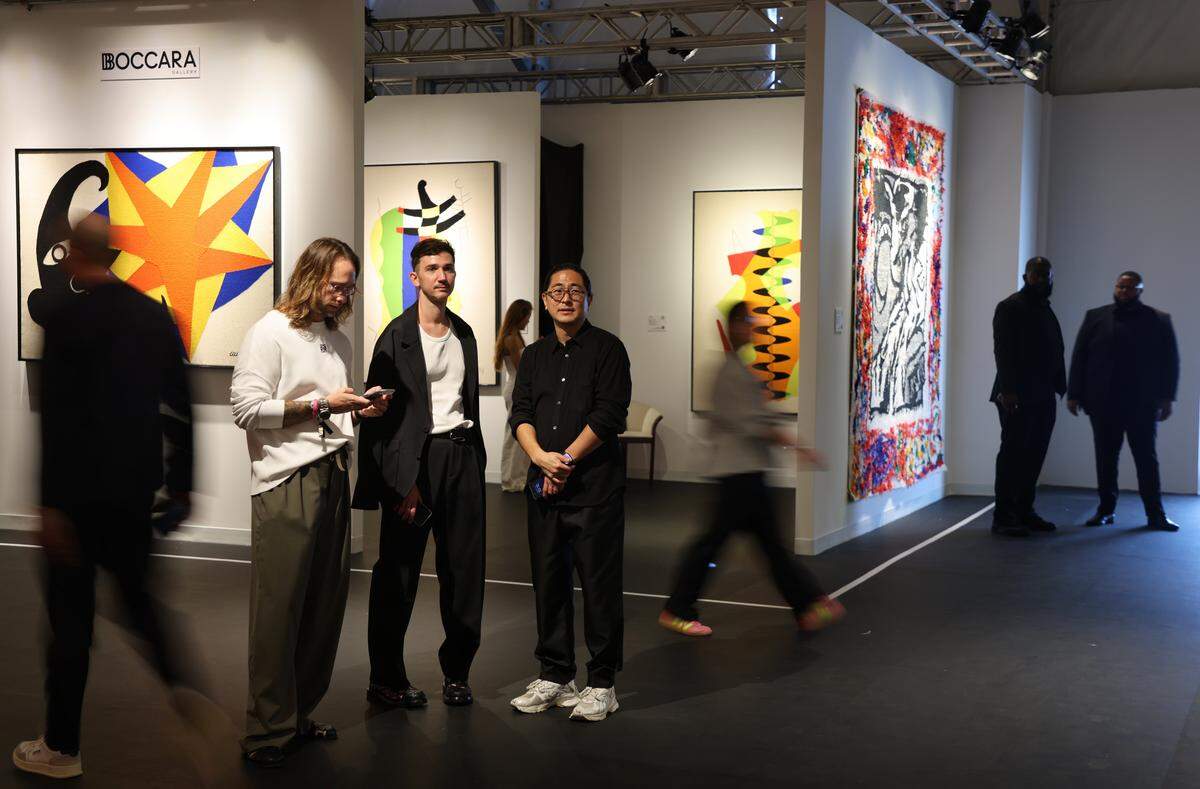
“I’ve been going to the Middle East for over 10 years, 12 years, to try and get a feeling for it,” Roberts says. “If it were five years ago, we wouldn’t be doing it. And we’ve been looking at, is India ready? Is Israel ready? Is South America ready? Where in South America?”
So, Design Miami may continue to grow, and so, too, will Miami’s imprint across the globe, Roberts adds.
For this year’s fair in Miami Beach, curator Adamson chose the theme of Make.Believe. That theme embraces an optimism and belief in the future of fine craftsmanship and design, similar to that expressed in the classic baseball film, “Field of Dreams” – “If you build it, he will come.”
But far from an excursion merely into fantasy, this year’s fair focuses on the ability to create and the evolution of the creative mind. “Our curatorial theme [focuses] not only on the past, but necessarily looks ahead,” Adamson explains.
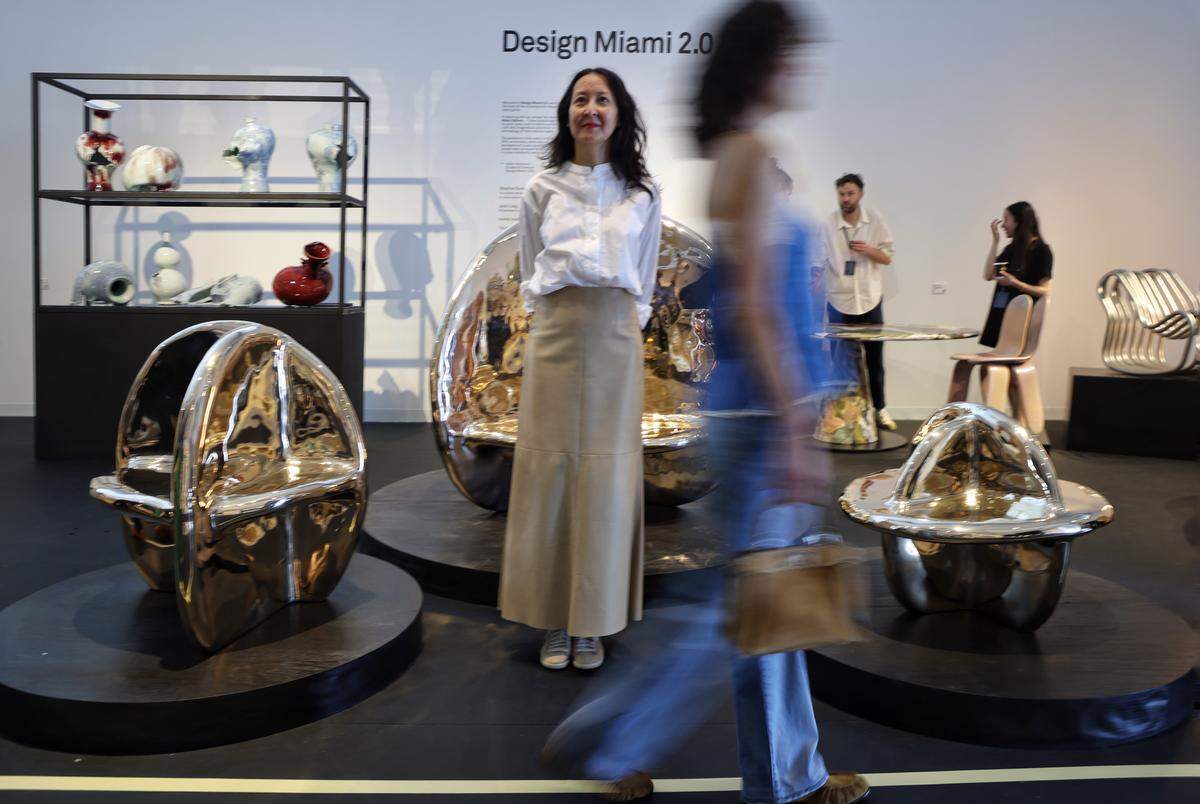
To help illustrate the future of good design, Adamson selected eight contemporary designers for a special project called Design Miami 2.0, a nod to the fair’s 20th anniversary and a glimpse into the future. The project included works from designers as far off as the Ukraine and as close to home as New York and San Francisco.
Tina Frey of San Francisco, one of the eight selected designers, presented her Orbit Collection, a three-piece series in bronze that features harmonious curves and organic contours. Frey described her creative process as beginning with a week-long meditation period “without any photons of light, where you disconnect from the distractions of the modern world and we can connect with who we are.”
Miami designers
Miami designers and architects also make their presence known at the fair. The renowned architectural firm, Arquitectonica created an intimate setting for the Design Talks Theater, a highlight and grounding point of the fair, where stalwarts of the design world come to discuss their creative process through a series of talks. (Booth X03)
The theater design plays on earlier projects by Arquitectonica, says the firm’s founder Laurinda Spear. According to Spear, the design and color display is reminiscent of her parent’s home in Miami Shores, known as The Pink House, as well as aspects of the Miami Children’s Museum.
The theater space includes Spear’s “Ripple Benches” that produce waves of color ranging from pink to mauve to rust. The hooked benches provide a sensation of a gently rolling wave, where visitors can sit between the crests.
Each of the 20 benches are available for sale at $10,000 each.
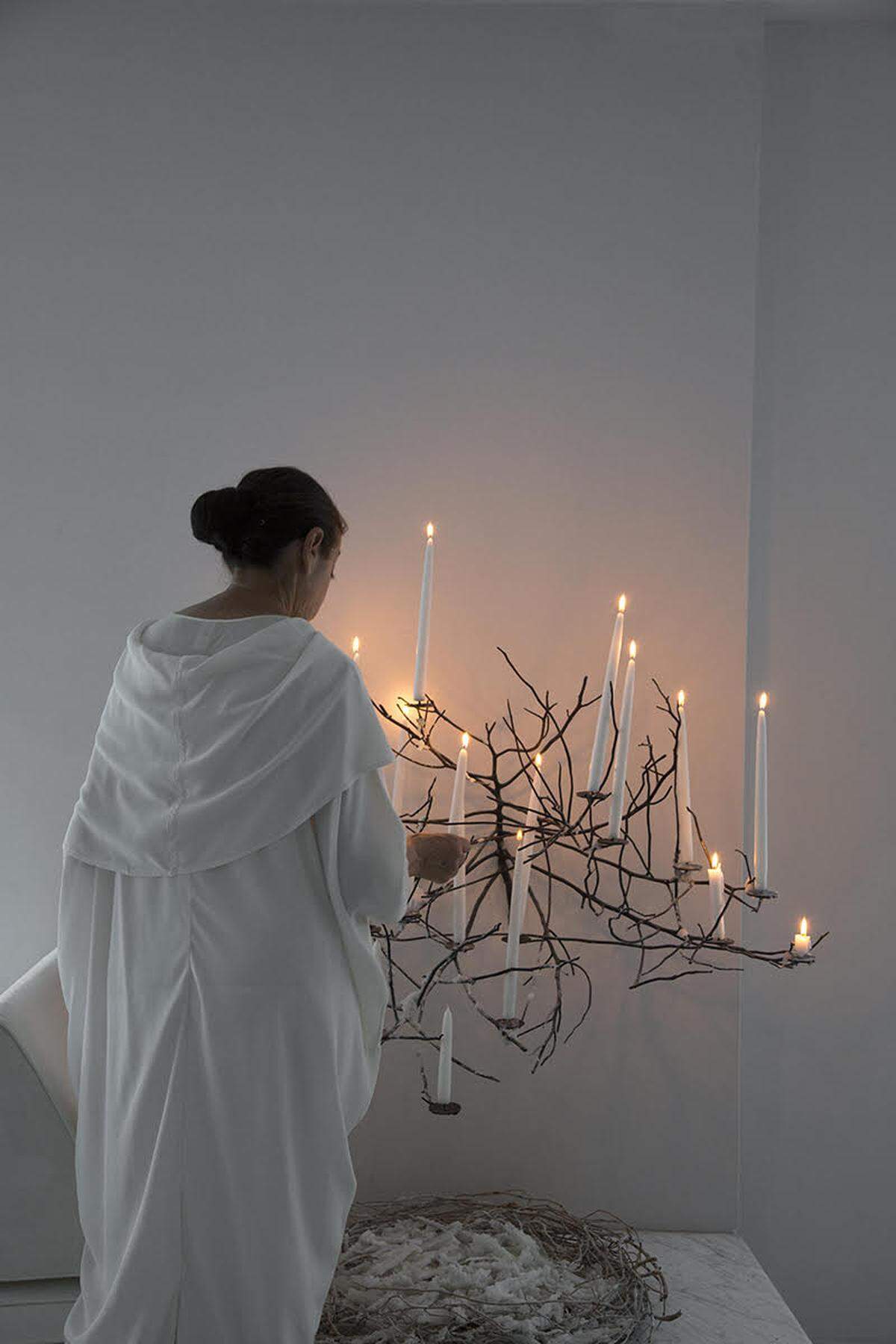
Collectors also have the unique opportunity to purchase a work that once graced Michele Oka Doner’s South Florida home, according to Stephen Markos, the founder and director of New York gallery Superhouse (Booth C02). The work, titled “Burning Bush,” was created in 1990 and is a giant wall candelabra, complete with a large floor plate to catch the tallow drips. Both pieces are made from cast bronze and list for $80,000.
Mindy Solomon, a Miami gallerist and perennial fair favorite, featured works from several local artists and designers, including France Trombly, whose woven work tumbles outside the confines of its frame, inviting the viewer to see a typically two-dimensional work in 3D. Another highlight were string rocking chairs created by Hettler.Tülmann, a marvel of simplicity that appear fragile, yet can send a grownup into sweet bliss.
“We’re bringing on the juice again for Miami,” an upbeat Solomon exclaims as she rocks away.
Inspired by the sea
Bea Pernia, a Miami interior designer who presented a collection of her own works at Bea Interiors Design, added a definite South Florida flair. Her chrome-plated octopus chair, where its eight tentacles substitute for chair legs, was a definite show-stopper.
Other designers exhibited at the fair embrace the seaside theme, as well. Katie Stout, a designer represented by Miami gallerist Nina Johnson, presents an elaborate project titled “Gargantua’s Thumb,” which was created in collaboration with Design Miami Curatorial Lab. Elements of “Gargantua’s Thumb” in the form of large sculptural benches can be seen in various locations throughout Miami’s Design District during Miami Art Week. Her work at the fair features a mirrored carousel with large sculptures of a manatee, dolphin, mermaid and flamingo that adults can climb aboard. Many visitors stop to take souvenir photographs of themselves riding the flamingo. Others make use of the pedals under the mermaid to propel the carousel in a circular motion.
Another favorite spot for snapping selfies is in front of Colombian artist Jorge Lizarazo’s “School of Fish” mobile that includes 37 fish made from chicken wire, including two fish that are pregnant. Lizarazo’s tapestry titled “Sunrise Japan” won Best of Show. But it’s the fish mobile that stops fairgoers in their tracks outside the Cristina Grajales Gallery of New York.
Perhaps the most jaw-dropping exhibit is Simone Crestani’s brilliant display of lights magnified by approximately 15,000 handblown glass orbs in the shape of sea creatures such as coral, sea urchins, and barnacles. The lights can illuminate an entire wall or ceiling or even be pared down for a more intimate space, according to designer Hazal Kurtulus at Atelier Crestani, a contemporary glass works in Italy.
But the award for the company with the clearest idea of its audience should go to TechnoGym, an Italian-based designer of gym equipment, with offices in Los Angeles and New York. The TechnoGym booth features a variety of workout stations, including one with a leather-wrapped workout bench and barbells that are sure to appeal not only to the fit, but also to the fashionable.
This story was originally published December 3, 2025 at 11:36 AM.