
Black curators shift Miami Art Week’s focus to Black neighborhoods
When Neil Hall perused the exhibits during Art Basel on Miami Beach back in 2008, he noticed a lack of Black art galleries and artists being featured.
“It astounded me because the diaspora has so much creativity all over the world, and I didn’t see it,” he said. “I decided that it was not acceptable.”
A few years later, Hall, a Miami-based architect and founder of gallery Art Africa, along with a few friends, hosted a Black-centered event in Overtown, Miami’s historically Black neighborhood known as the Harlem of the South. The group set up in an empty parking lot near where the restaurant Red Rooster currently sits and held their own art fair, which would be known as Art Africa Miami.
Since then, Hall’s work to cultivate a space for Black art during Miami Art week has inspired others to follow suit. Black curators across Miami have reshaped Art Week by turning predominantly Black neighborhoods like Overtown and Opa-locka into essential stops on the art-world map — a deliberate effort to make visitors engage with Black artists in the communities that shaped them.
In 2013, the first iteration of Soul Basel was created in Overtown. Opa-locka has been bringing art lovers to visit their annual Art of Transformation exhibit, which takes over several blocks of the city, for several years. Miami Gardens is hosting LOUD Week, a four-day event that encompasses art and entertainment and fashion. And the AfriKin Art Fair returns to North Miami, and includes weeklong events and exhibitions centered on the theme of belonging, identity and cultural continuity. There is also an effort to highlight these events by local tourism entity, Greater Miami Convention & Visitors Bureau.
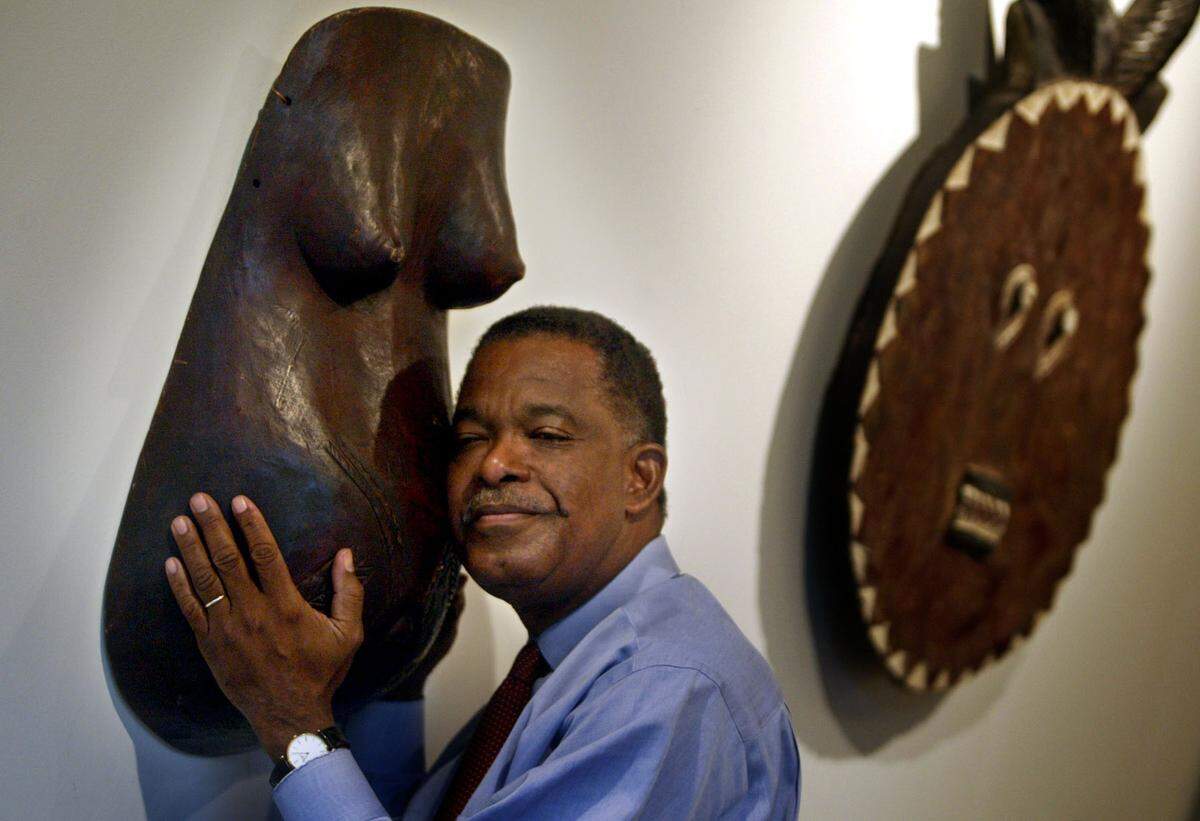
The inclusion of Black art in these predominantly Black neighborhoods, Hall said, sends a message, particularly at a time when Black history, literature and art are being censored: “It is necessary for us because others are fearful of the incredible geniuses of the Black community,” he said. “We are a very, very creative people, and there’s nothing others can do to stop it.”
RELATED: From Overtown to Opa-locka, these Art Week events celebrate Black art, culture
That statement rings true for Willie Logan, founder and CEO of Ten North Group, who The Art of Transformation during Art Week in hopes of revitalizing his northern city, which has been mired in municipal challenges over the years. One of this year’s exhibits, entitled At the Edge of Entanglement, will showcase how intertwined the cultural, historical and political is in Black art today.
Logan said he recognizes that Black art helps with educating Black communities about their history. In 2023, the group had installations of oversized covers of banned books to highlight how books by Black, brown and queer authors were being removed from Florida schools.
This year’s event consists of six exhibits, including African Diaspora Memory in Motion, which features three 20-foot containers symbolizing the journey from Africa to the Americas, along with At the Edge of Entanglement: African American Contemporary Art, which features ten Black artists who explore the themes of identity, resistance and renewal.
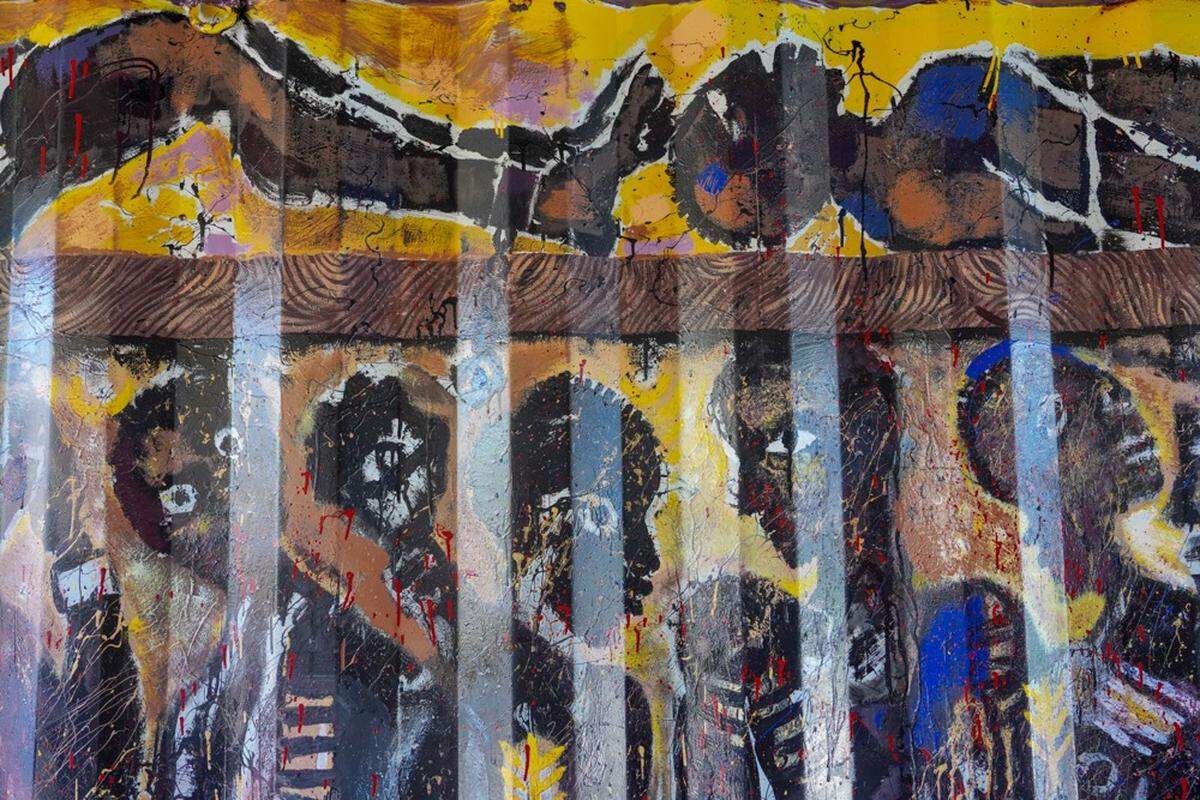
The event also includes an exhibition presenting the conceptual vision and site studies related to the forthcoming Florida Museum of Black History and Culture. Opa-locka was a finalist for the location of Florida’ Black history museum before the Florida Museum of Black History Task Force selected St. Johns County as the preferred site in 2024.
Logan said holding art exhibitions in Black communities during Miami Art Week reinforces why communities should bring the art world to them. “It demonstrates that what Art Week looks like when the community tells its own story,” Logan said. “It’s both rooted in history, it’s scaled with discipline, and it’s built for the long term gain.”
In a diverse Miami, the movement to bring the art world to the Black communities has become a vehicle to showcase artists from the Caribbean. This is what Marie Louissaint has done with Art Beat Miami.
Now in its 12th year, the satellite event presented by the Little Haiti Optimist Club, Welcome to Little Haiti and Chefs of the Caribbean, showcases emerging and renown artists from Haiti and elsewhere in the Caribbean, as well as Caribbeans in South Florida. After years of exhibiting at the Little Haiti Cultural Complex, this year events are being held at the Joseph Caleb Center in Liberty City and Brightline Miami Central Station in downtown.
“I think it’s important for us to show our culture, the richness of the cultural diversity of our background and also showing just pride in our work and what we stand for,” said Louissaint, an entreprenuer who produces Art Beat Miami.
Hall’s pioneering efforts to showcase Black art in Miami’s Black community was also the catalyst for artist and curator Chris Norwood, who created an exhibit during Soul Basel in 2018. At that time, Norwood was offered a space at the Historic Ward Rooming House in Overtown to showcase the work of several Black artists.
The event was supposed to be a one-off for Soul Basel, but Norwood said he kept the show going through Black History Month the following year, and that segued into curating quarterly exhibits at the Historic Ward House. Norwood said Hall’s leadership helped him realize, he, too, could establish a space for African-American art in South Florida in an enduring way.
“We have to teach our own history and promote our own history, and if the political winds go one way or the other, we may have to double down on that,” Norwood said.
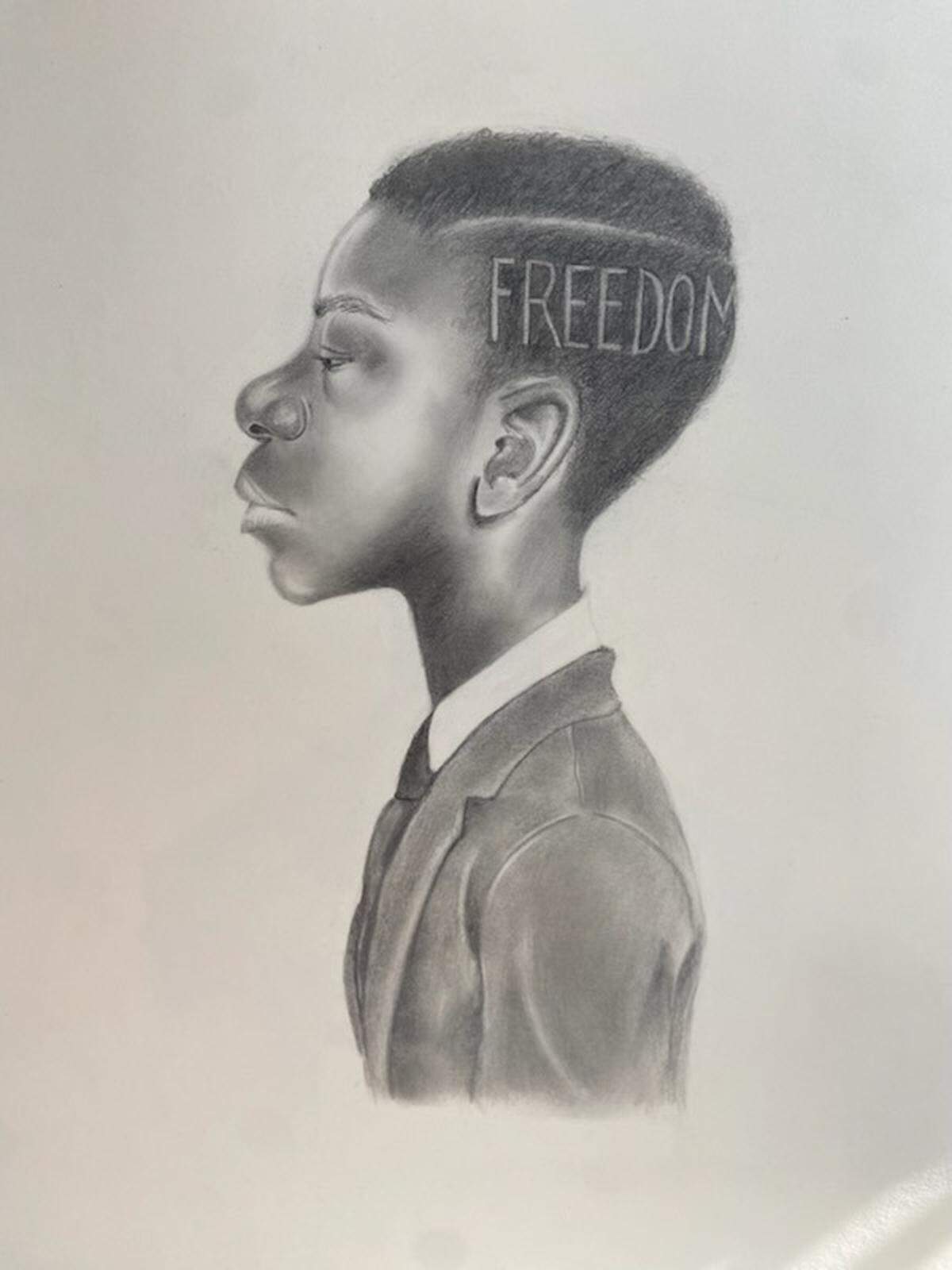
Norwood would later found the Point Comfort Art Fair + Show at the Historic Ward Rooming House, now a Miami Art Week tradition. This year’s theme is centered around orator and scholar Frederick Douglass. Inspired by his 1861 speech, “Pictures and Progress,” the exhibit will showcase contemporary African American artists whose work responds to the theme, “The Life and Times of Frederick Douglass.” Norwood said Douglass understood the importance of art and its representation of Black people. Norwood explained Douglass believed positive and more accurate portrayals of Black people could free them from the biases and distortions created by white people and could inspire aspirations and progress for Black people.
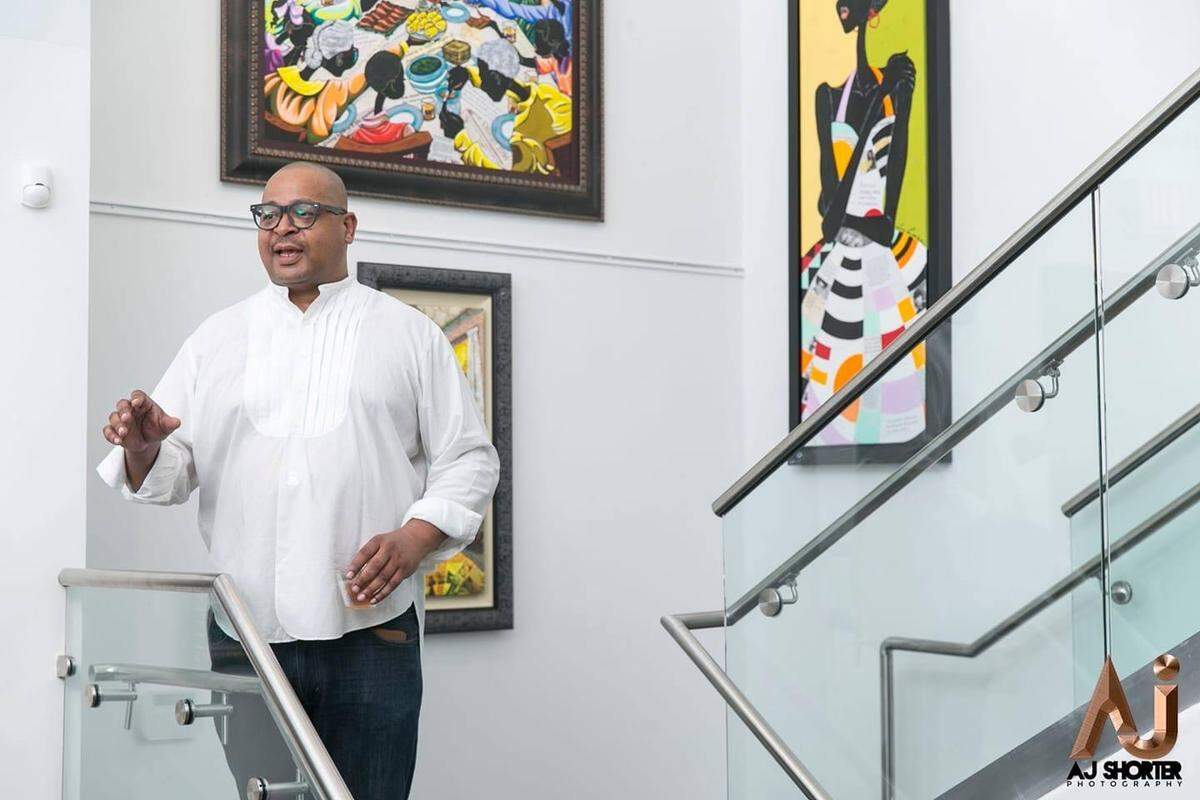
“He strategically used photography to present Black individuals as dignified, intelligent human beings, and he was combating the demeaning and stereotypical depictions probably in the 19th century,” Norwood said, adding that Douglass’ own portraits were stern, and held a “very confident expression.”
“He was always dressed to the T,” said Norwood, “and saw photography as a part of his activism.”
Ensuring Black Miamians have access to these events is key for organizers. The exhibits in Overtown and Opa-locka are free throughout Miami Art Week.
“It’s important that history is both accessible and shown in good times or bad times,” Logan said. “If you don’t know your history and your past, you’re destined to fail. And how do you even navigate the future if you have no way of understanding where you’re from?”
Though Hall no longer presents the Art Africa in Overtown, he is often offered jobs to curate or host exhibits on Miami Beach during Art Week. He always turns them down.
“I think it’s important that if our work is good enough, I would like for you to make that trek over into Overtown,” he said.