‘We’re not monolithic:’ Nia Long, Larenz Tate reflect on Love Jones, Black films
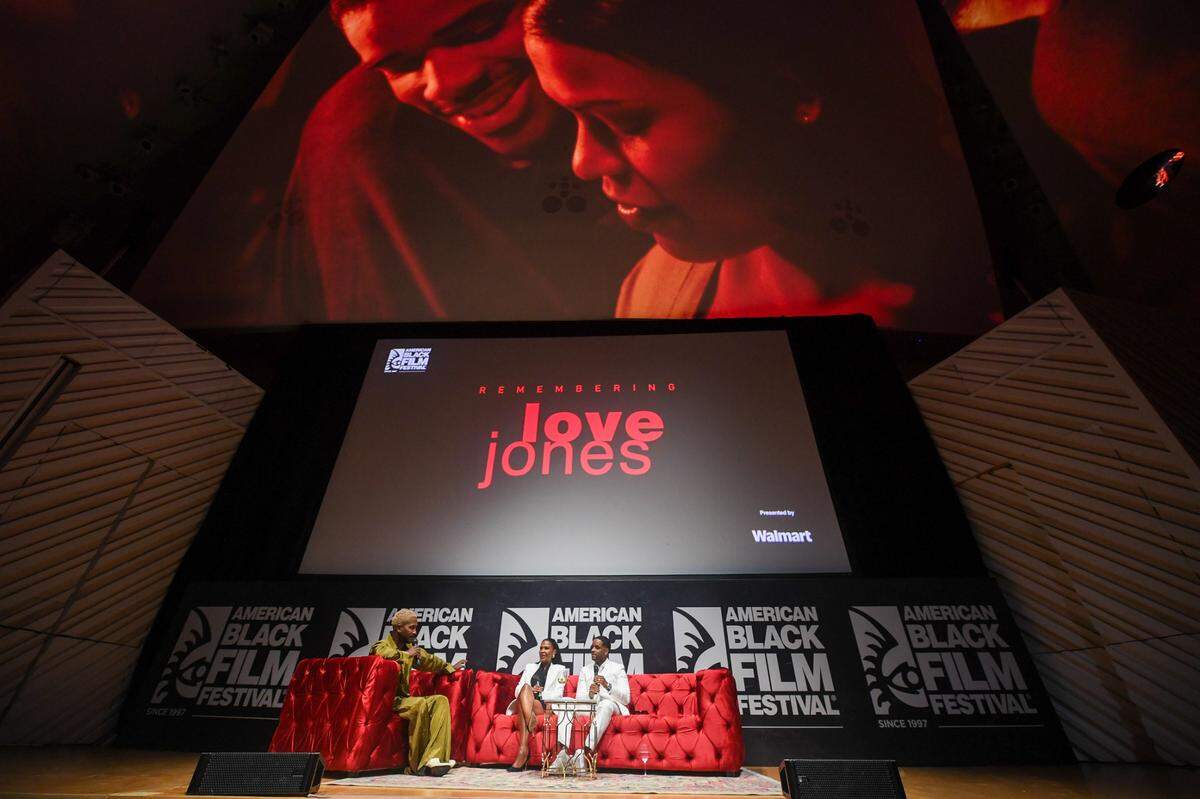
Still shots from the film “Love Jones” displayed on the screens Saturday inside the New World Center in South Beach as scores of people danced to the sounds of Cameo, Strafe and a host of R&B favorites before transitioning into the romcom soundtrack.
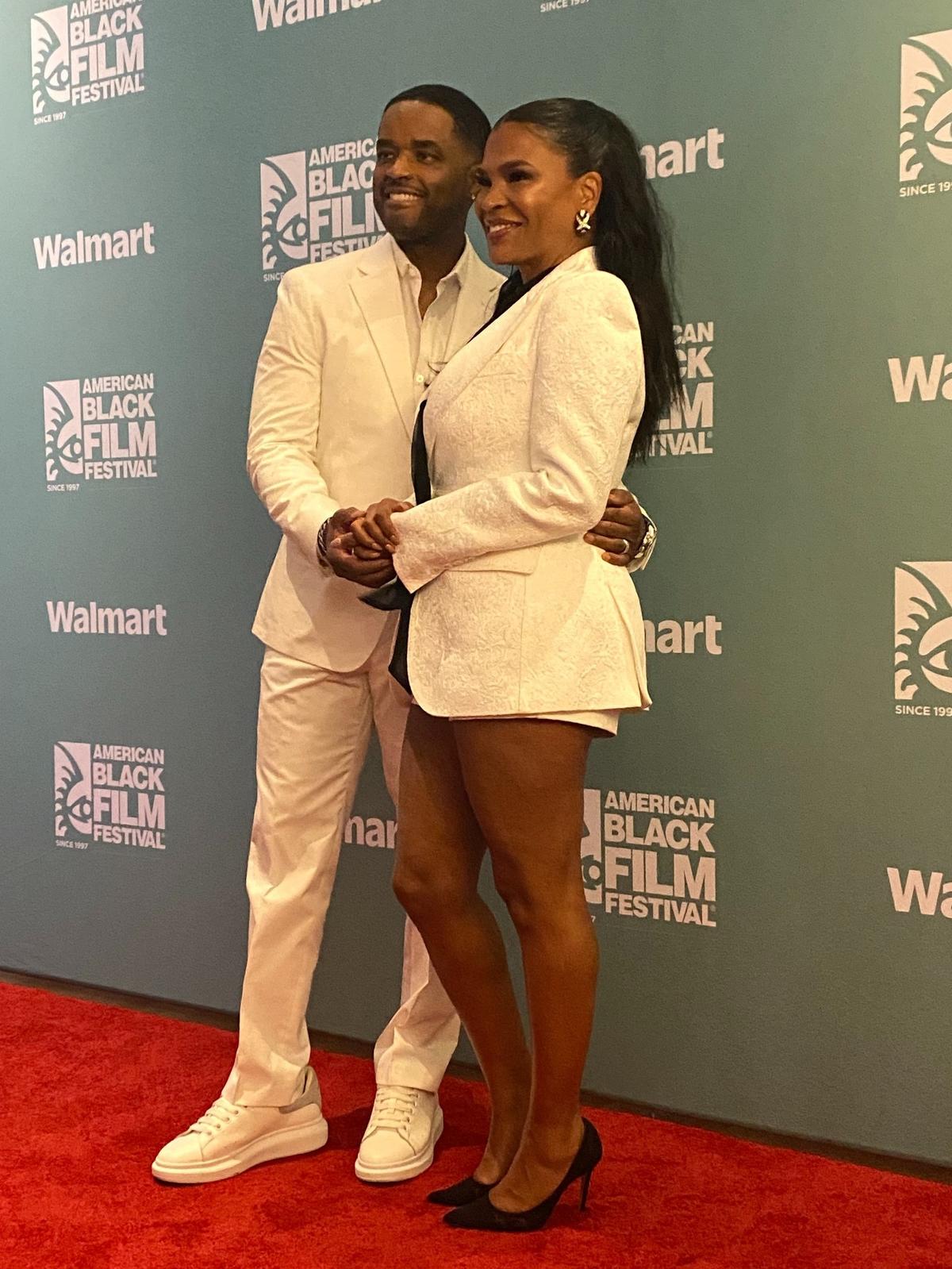
With sultry sounds of the “The Sweetest Thing” filling the room, Nia Long and Larenz Tate sauntered into the room, almost floating, with matching white outfits and black shades before the pair essentially picked up where they left off as if we were seeing Darius Lovehall (Tate) and Nina Mosely (Long) continue their story in the iconic film.
It was that magnetic chemistry between the two long-time friends that flowed into their conversation with Access Hollywood reporter Scott Evans, discussing their bond, the chemistry behind the iconic film, some of the challenges they faced and the importance of showcasing Black love on screen.
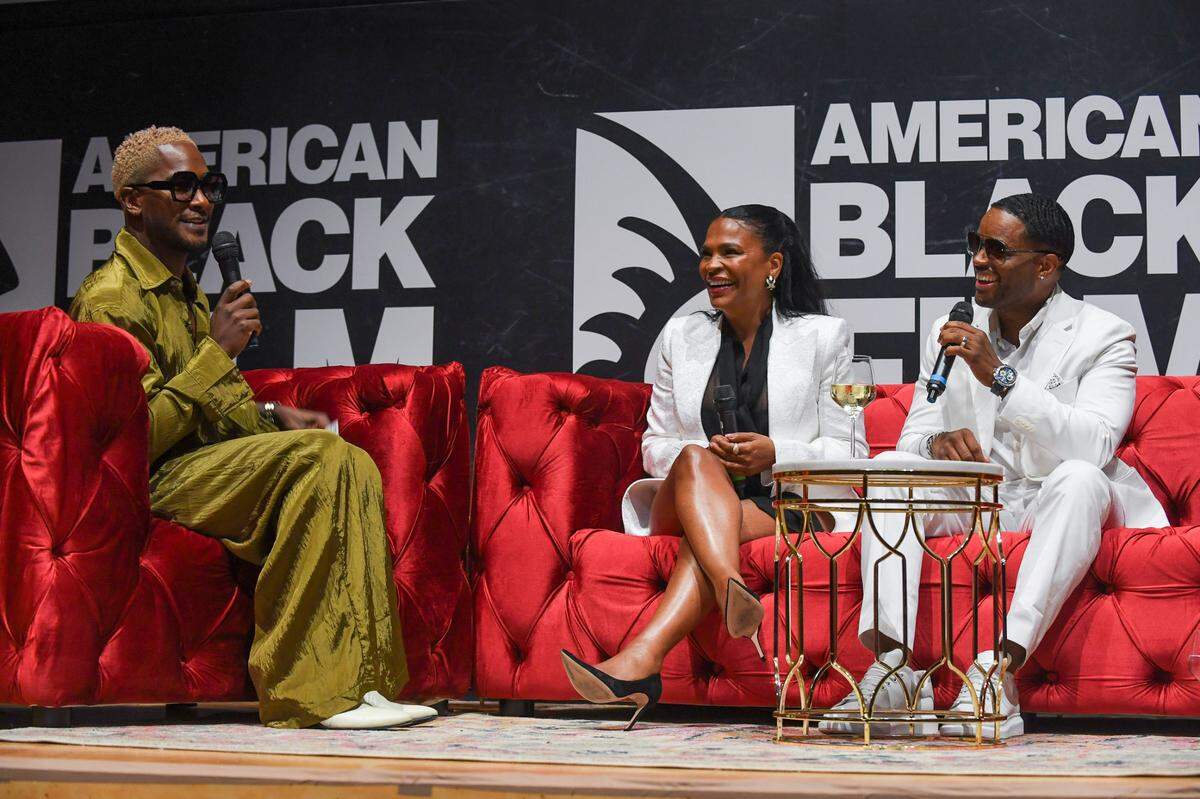
“It’s very easy to kiss these lips,” Long said, complimenting co-star Tate, eliciting laughs and cheers from the crowd.
The duo’s history with ABFF dates back to its inception, when they were honored at the first festival. At that time, as Evans told the audience, ABFF founder Jeff Friday was at Sundance when he saw Love Jones win the Audience Award.
“I remember meeting Jeff, and what I remembered is I hadn’t seen anyone so excited about Black films, Black people who wasn’t a filmmaker,” Long said, as an image of her at her first ABFF showed. “It was such a beautiful thing to see.”
“This is a place that nurtures, inspires and loves on us,” she added.
RELATED: Larenz Tate comes to Miami to talk about ‘Love Jones’
But for as much as the film is a cult classic, it was deemed a flop by industry standards, Long underscored, having had a budget of $7 million yet only earning north of $12 million during its original release. It remains the only film from director Theodore Witcher.
“We still had to prove to studios that black love was important,” she said. “We still had to prove that Black people could come and support us, not in killing each other or in gang violence.” Long said she doesn’t knock those films – she and Tate have starred in “Boyz N The Hood” and “Menace to Society” respectively – but emphasized “the core of who we are when we take care of each other is love.”
Tate noted the film also didn’t have the best marketing and oftentimes decision makers didn’t look like them.
“We didn’t have a Jeff and Nicole Friday that would understand, because they know us, they know the audience,” he said. “We didn’t have that advantage.”
Still, he said, it opened doors for the breadth of Blackness to be shown in films such as “Soul Food” and “The Best Man.”
“We’re not monolithic,” he said. “We have a story to tell.”
READ: Black Film Festival spotlights Black storytelling with a made-in-Miami film
One scene that helps fuel that is when Darius, played by Tate, is speaking with his friend Savon, played by Isaiah Washington, and tells him that Nina could be “the one.”
“It’s an example of Black men being vulnerable,” Tate said. “You got a chance to see vulnerability from us and you didn’t get a chance to see that often.”
Perhaps the most palpable experience from the film is the chemistry between the Long, Tate and their co-stars and the desire to stay in the moment to hold the audience’s attention. Such was the case when Long got her hair wet at the end of the film against her wishes. “I didn’t want to take the audience out of the moment,” she said.
But beyond their on set chemistry, Long said Tate made her feel comfortable on set even after breaking the ice with a kiss during some rehearsal time before they began filming. Long of course obliged him as he went “whole tongue.”
Still, she said Tate made her feel comfortable on set, doting on the gentlemen that he and his brothers, Larron and Lahmard, are.
“For Black women, the most important thing for us is to feel safe,” she said. “He made me feel safe.”
That respect was particularly needed when Nia had to confront a director of photography who spoke to her crudely between takes during an intimate scene with Tate. “He said, ‘Nia, can you move your ass over to the right?’” Long said.
She swiftly shot back: “‘This is not a…porn,’” Tate recalled.
“Always have empathy for the artist,” Long said. “Treat the actor with respect and treat the woman with respect.”
As for where their characters might be in 2025, Tate said they’re soulmates: “Whether they’re together, not together…they haven’t forgotten each other.”
Long said Nina and Darius have a connectedness: “You can still live and love each other exactly where you are and you’re still connected,” she said. “And you know, at some point in time you can circle the block and it’s still going to be good.”
This story was originally published June 15, 2025 at 1:46 PM.