
This just in! Do you remember these former South Florida news anchors?
For years, we invited them into our living rooms. They shared a lot of stories. They kept us up to date. We got attached.
Do you remember Ralph Renick? Ann Bishop? Ana Azcuy? Dwight Lauderdale? What about Chuck Dowdle? Molly Turner? Weaver the Weatherman and Don Noe and Uncle Walt?
Let’s dip into the Miami Herald archives and look back at some of the beloved news, sports and weather anchors of the past at South Florida television stations.
And may the good news be yours.
.JPG "party00 porter dade HF (1).JPG")
Ralph Renick
He was the Walter Cronkite of Miami.
Ralph Renick’s booming baritone rumbled across the airwaves for more than three decades. He was the first anchor for the first TV station in Florida, starting as a recent college grad in 1949.
Renick was behind the anchor desk until April 1985, when he resigned immediately, and then briefly ran for Florida governor.
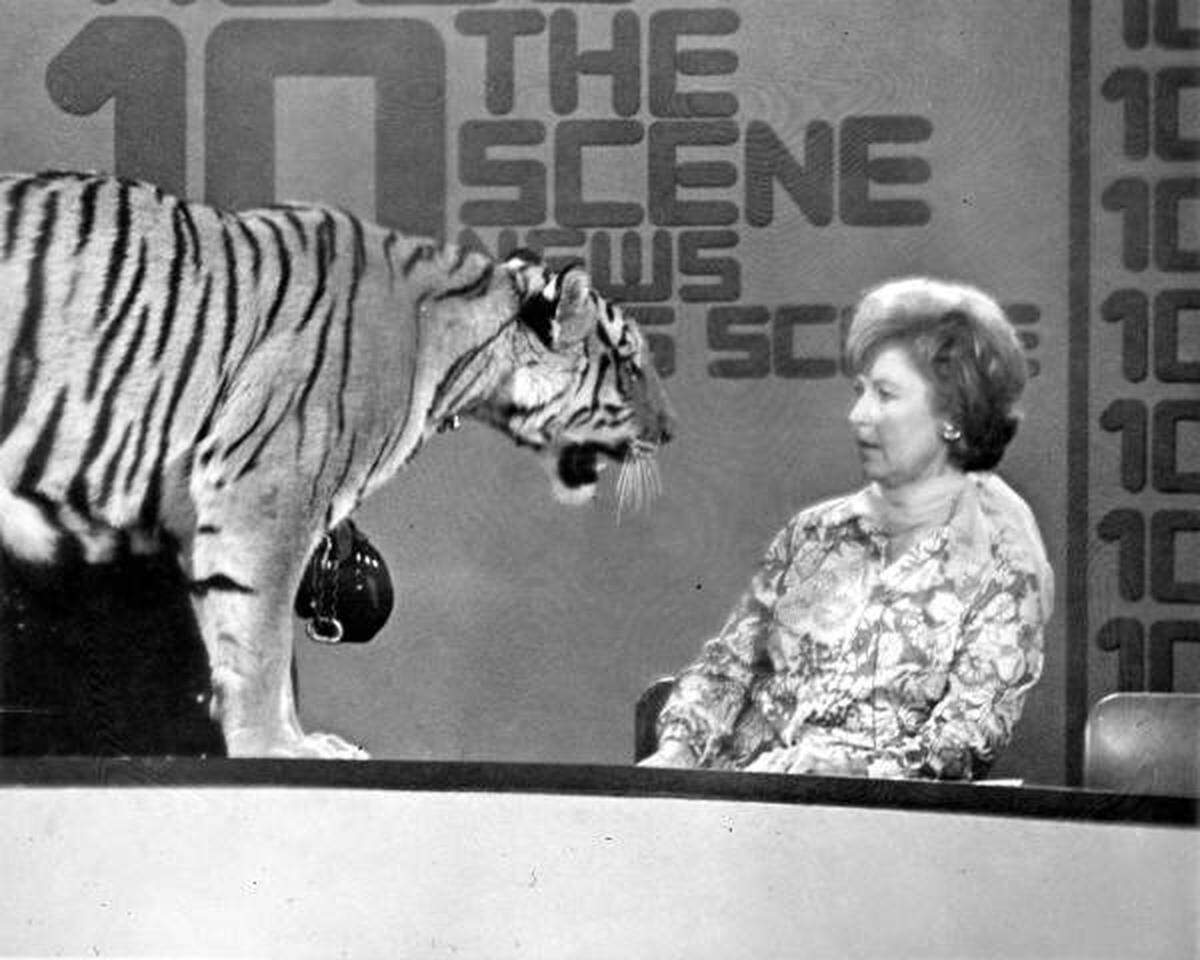
Molly Turner
She was Florida’s first anchorwoman in 1960. She began her television career in an entertainment show in 1951 at WTVJ, South Florida’s first TV station.
She joined WPLG-Channel 10 as the first woman television reporter in Florida in 1969. There, for the next 19 years until her retirement in 1988, she covered stories on the burgeoning women’s movement, was the station’s first consumer affairs reporter and won three Emmy awards for investigative reporting.
Her influence was immeasurable, paving the way for the late Ann Bishop, another WPLG TV news legend, who once credited Turner for thrusting doors open for female broadcasters. Carmel Cafiero, WSVN-Channel 7’s first female reporter.
When Post-Newsweek bought Channel 10 in 1969, the owners put a hard-news edge on the station and eyed Turner, already in her mid-40s, as its best bet to deliver the product. She learned news reporting on the job.
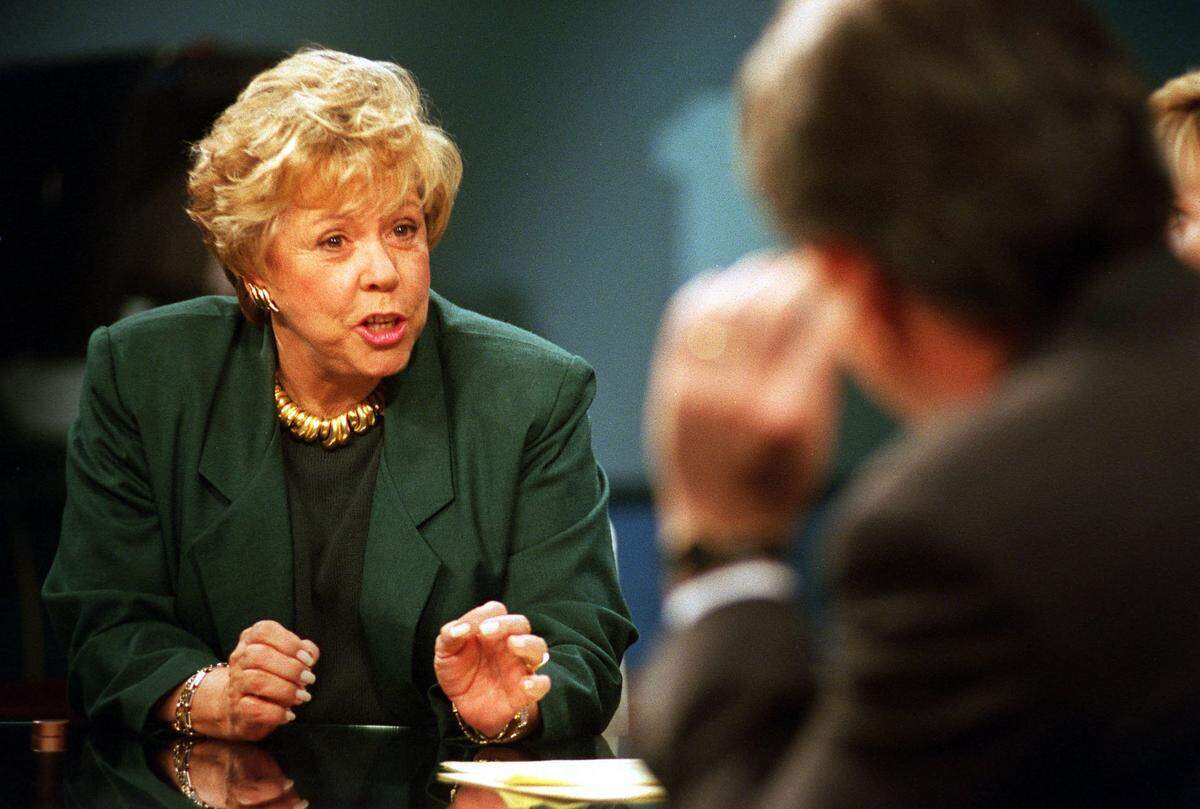
Ann Bishop
She worked in the public service department of Channel 7, but could not land a reporting job there. So she learned her craft back in Rochester and then in Baltimore, returning to Miami in April 1970 as a street reporter for Channel 10.
Three years later, she moved to the weekend anchor chair. That made her the first woman to serve as a main anchor in South Florida.
In 1977, she began co-anchoring the 6 and 11 p.m. weekday newscasts with Glenn Rinker. She continued anchoring until 1995.
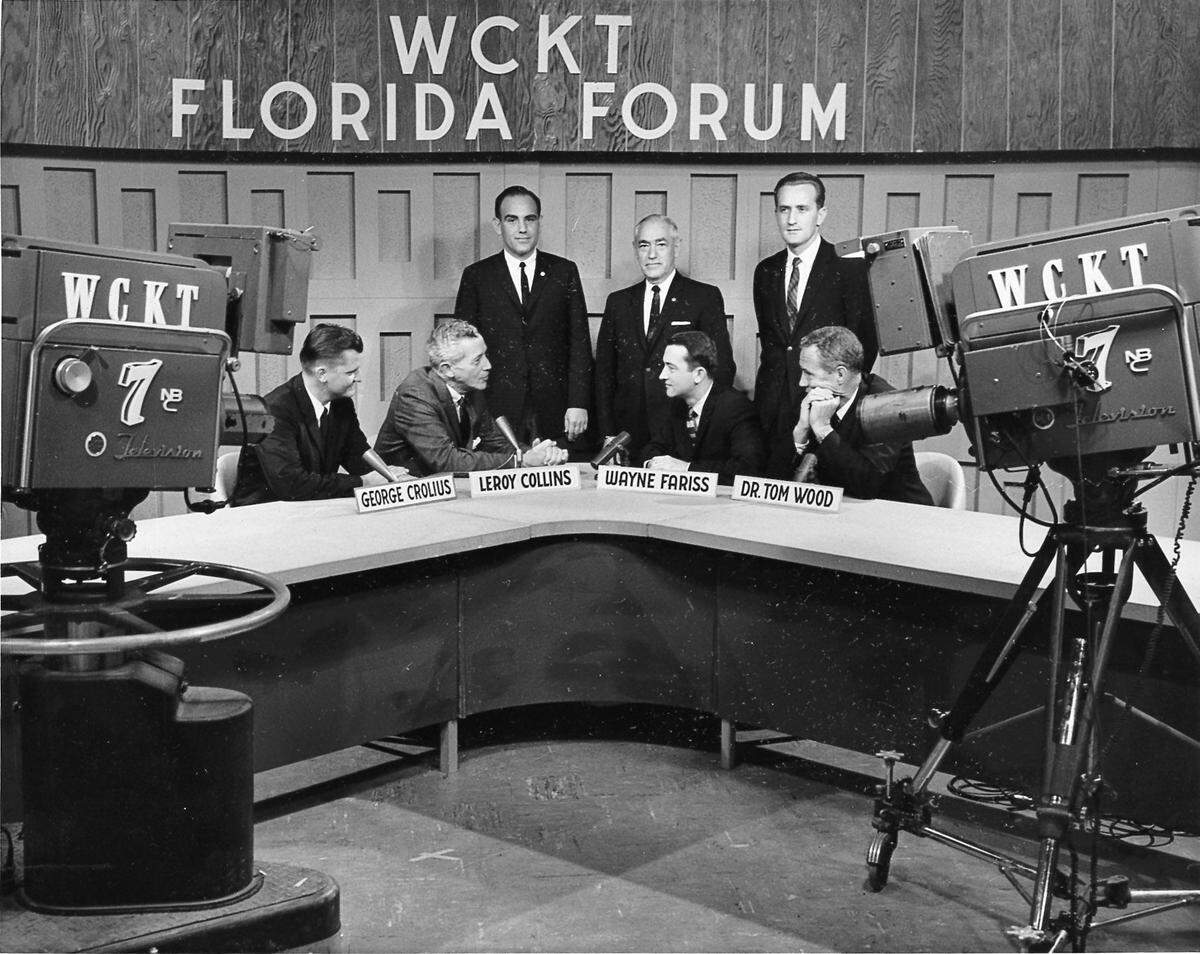
Wayne Fariss
He started his broadcasting career in the Armed Services with Armed Forces Radio before joining WDEL-TV in Delaware. Then he joined WTVT-TV in Tampa for three years, where he did the channel’s first newscast.
For the next 27 years he anchored the six and 11 o’clock news in Miami on channel WCKT (now WSVN).
While at the station, Fariss was easily recognized by his rich baritone voice and stoic delivery, and he won several awards there, including a Peabody, the University of Missouri’s Gold Journalism medallion, two Scripps-Howard Foundation Citations and a Radio-Television News Directors award — all for excellence in broadcast journalism. In 1962, he won the first of four Freedom Foundation awards for an exposé series on Communism.
Fariss was also known as a master interviewer. He held conversations with many political figures, including Dr. Martin Luther King; Soviet Premier Nikita Khruschev; Supreme Court Justice William O. Douglas; the deposed President of the Dominican Republic, Juan Bosch; and the former prime minister of Israel, Golda Meir.
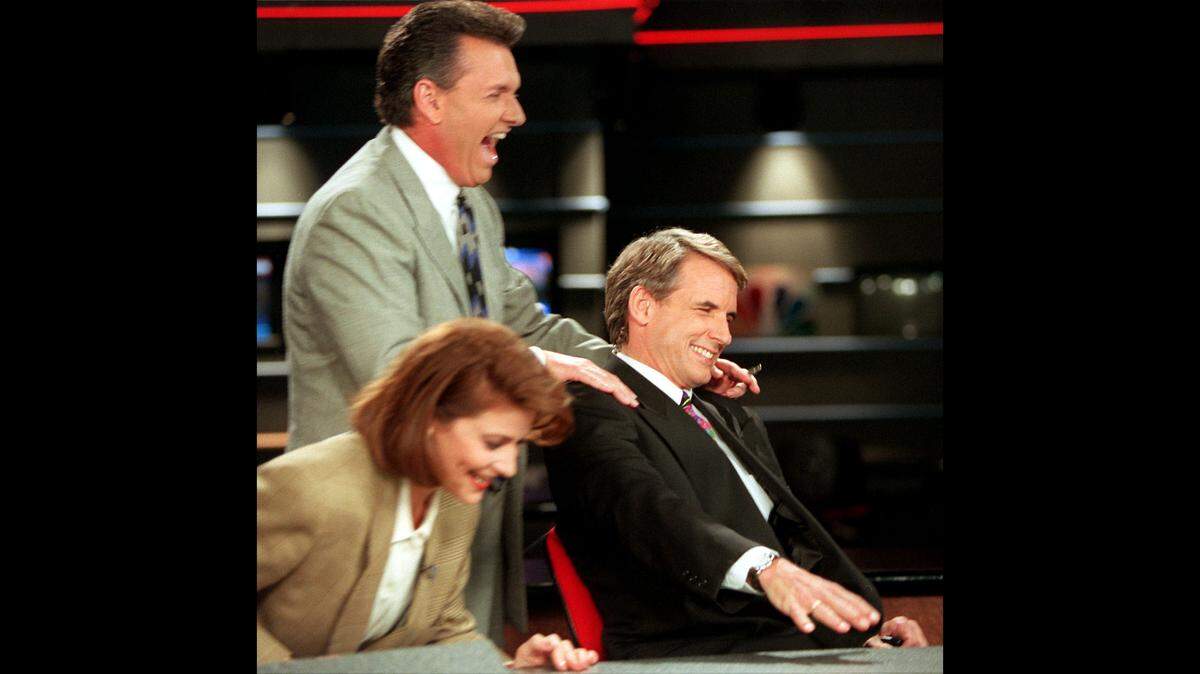
Tony Segreto
He started at WTVJ as an intern in 1968. Most exciting part of his job? Fetching coffee for celebrity interview specialist Larry King.
Segreto, who in the eighth grade wrote a term paper about his ambition to become a sportscaster, stuck to his childhood goal for 23 years at WTVJ, dipping a toe in the straight-news waters for the first time in 1992 as host of an experimental 4 p.m. newscast where he wandered the newsroom floor chatting with reporters, mostly about offbeat feature stories.
But later that year, Hurricane Andrew knocked his career off in a surprising new direction. When WTVJ’s main anchor, Tom Randles, elected to sit out the storm at home with his family, Segreto paired with station meteorologist Bryan Norcross to host the hurricane’s coverage.
Within weeks, Segreto took over as anchor of WTVJ’s 5, 6 and 11 p.m. newscasts, while keeping his 11 p.m. sports job as well. Not until 1997 did he abandon the sports desk, albeit reluctantly
Dwight Lauderdale
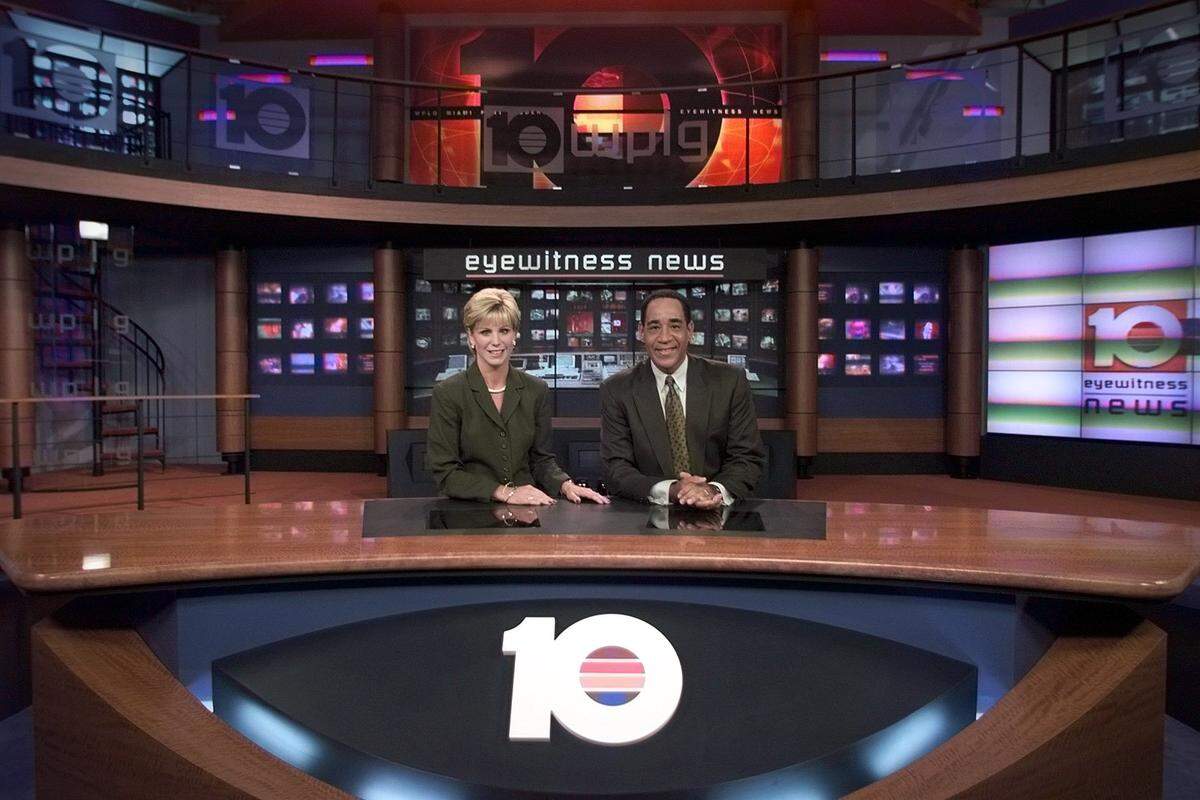
He started out as South Florida’s first black TV news anchor and wound up as one of its longest-running and most-watched anchors.
His 11 p.m. newscast led the local ratings. In Lauderdale’s early days as the 11 p.m. co-anchor with Ann Bishop in the late 1980s and early 1990s, WPLG often had as many viewers as its top two competitors combined.
Even before taking over that job, Lauderdale was a landmark on the local television landscape. When he took over WPLG’s weekend news in 1980, he became the market’s first black anchor. In fact, there were hardly any black faces on television news in any capacity, Lauderdale recalls.
Lauderdale quickly established himself as a prolific street reporter, working half a dozen stories per day, including the Miami River cops case and the Mariel boatlift.
Bob Weaver
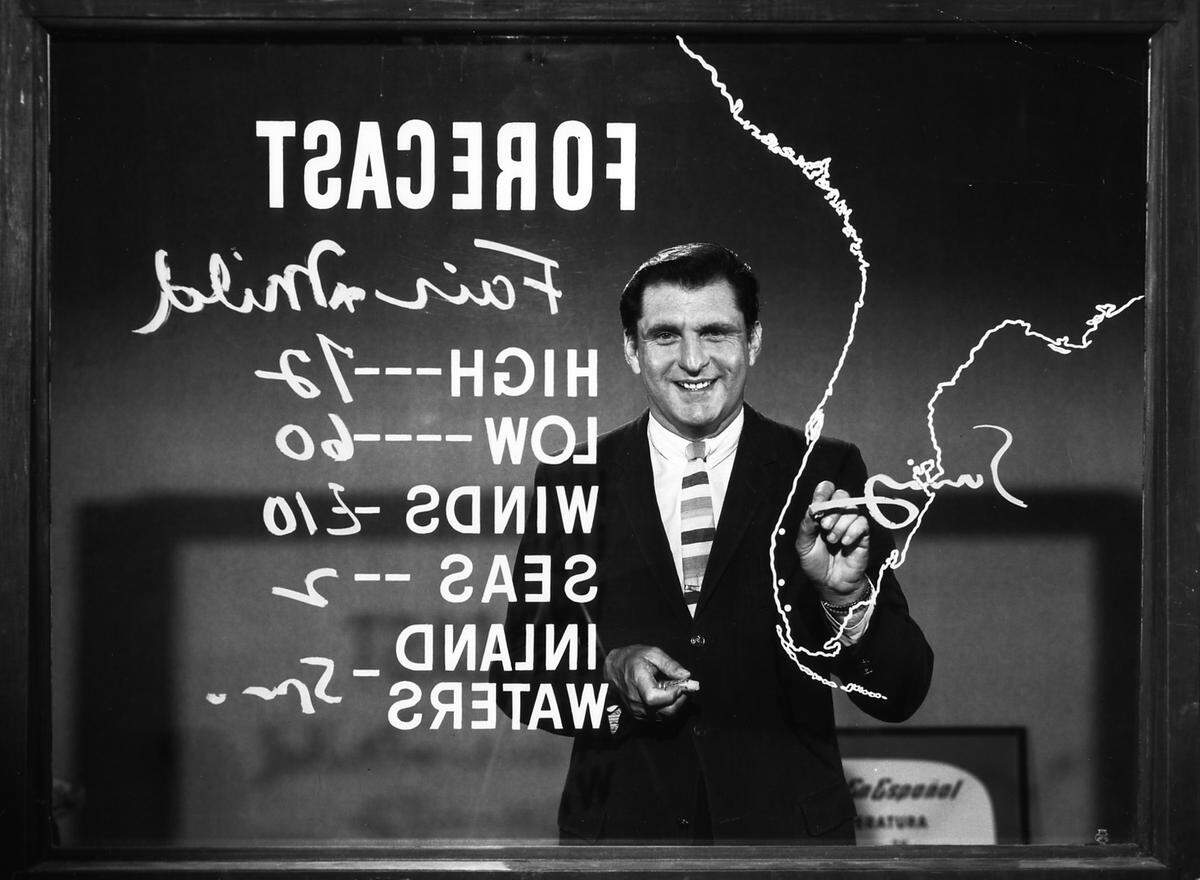
He was one of the nation’s first TV weathercasters and a fixture on South Florida television for half a century.
Known to viewers as “Weaver the Weatherman,” he began his weather reports in 1949, the same year that WTVJ went on the air — it was only the 16th television station in the nation at the time.
Born in New York in 1928, Weaver earned a degree in broadcasting at the University of Miami, the station said. Though trained as a meteorologist, Weaver “did it all”: He cut film, worked graphics, voiced commercials and even introduced WTVJ anchor Ralph Renick each night, WTVJ said. Weaver covered major storms, such as hurricanes King, Cleo, Donna and Betsy.
Ana Azcuy
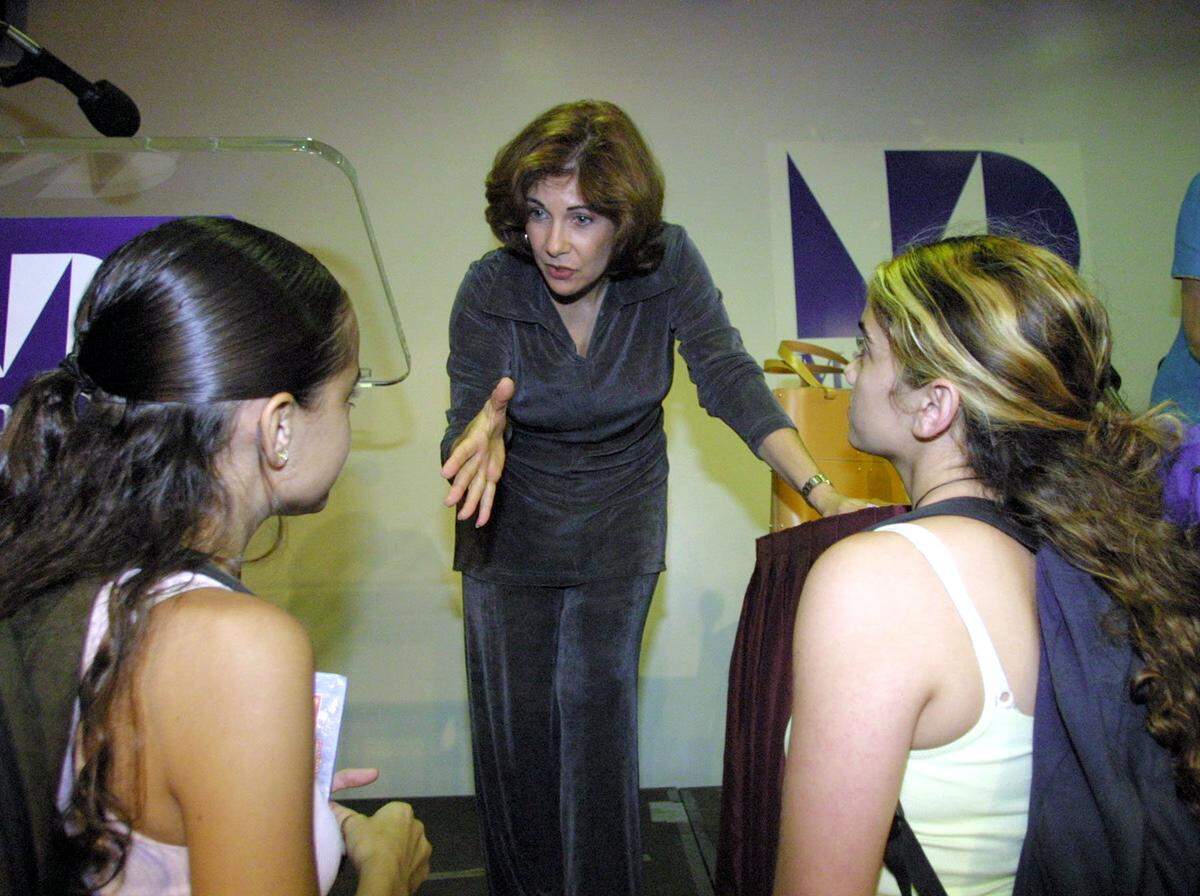
She returned in 1993 to WPLG-Channel 10, where she began her broadcast career in the ‘70s.
Azcuy, the first Cuban-American anchor in South Florida television, was working for WTVJ-Channel 4 when she left for the Univision network in 1990.
That brought Azcuy full circle; she is co-anchoring again with Art Carlson, this time on the noon news.
For Azcuy, who interned at Channel 10 in 1975, “Channel 10 is the place to be. I was here when Ann Bishop became the first female anchor in South Florida, in ‘77; in ‘79, I became the first Cuban-American anchor in South Florida.”
Don Noe
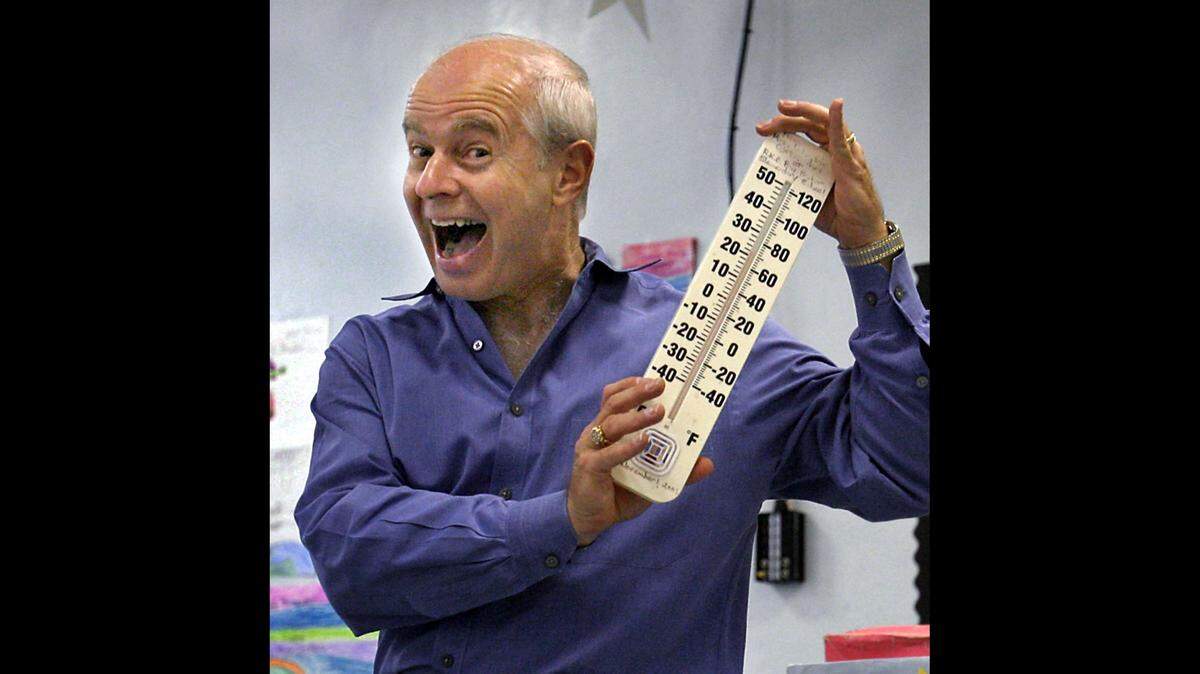
After graduating from the University of Wisconsin with a degree in meteorology, he got a job doing the weather on a TV station in Green Bay. It was there he delivered a forecast while standing on his head, fulfilling a rather rash pledge to his viewers.
At a station in Portland, Ore., he started doing his whole weather segment in stop-animation, pushing little cardboard cutouts of clouds and suns and snowstorms across a map and filming the process one painstaking frame at a time.
“It took about two hours to film a minute-and-a-half forecast, but viewers loved it,” Noe says.
“I brought that with me to WPLG, but it turned out they had just switched to video and couldn’t process film anymore. WCIX [then an independent station broadcasting on Channel 6] was still using film, and they agreed to develop the film for us. I guess they needed money more than ratings.”
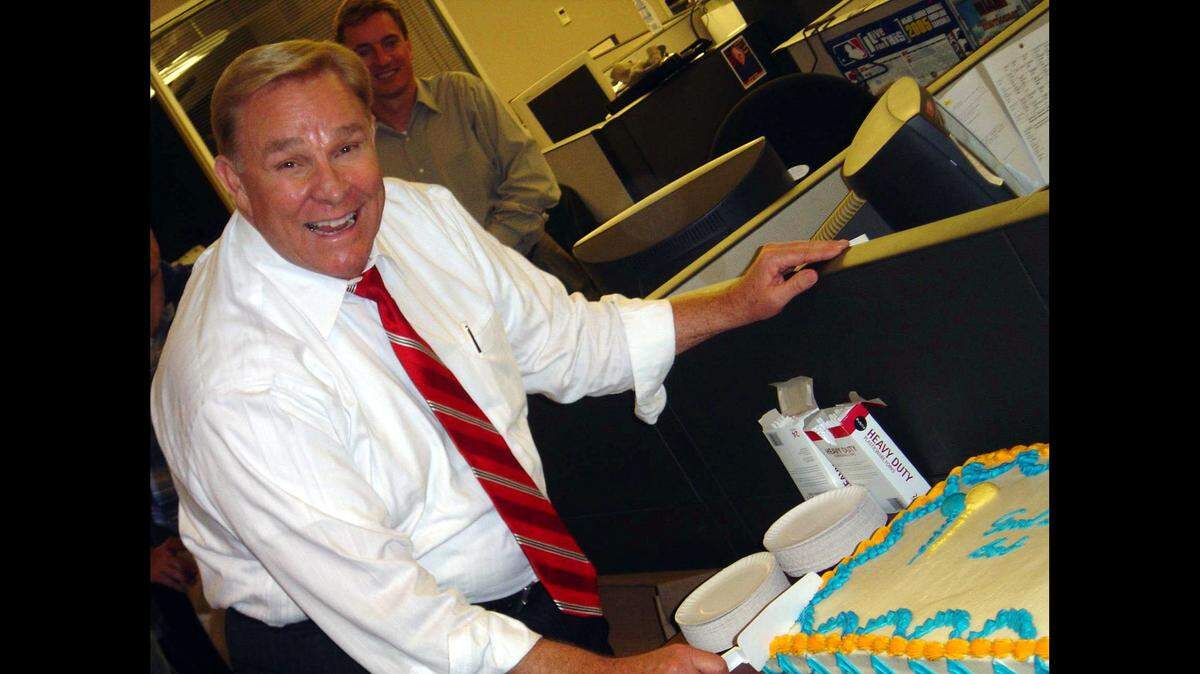
Bob Soper
Before his 13-year tenure on WFOR, he spent an equal amount of time on WSVN-Channel 7.
“It’s mostly been a great ride,” Soper says. “There have been rough patches but you forget the rough patches. It’s sort of like the rain. You can’t appreciate the sun until you get rain.”

Walt Cronise
His famous “Fearless Forecasts” for WPLG-Channel 10 made the bow-tie-wearing weatherman a friendly, folksy presence in the face of “great big toad strangling” storms in the Everglades and the last major storm of his 50-year meteorologist career, Andrew, a superstorm that shocked South Floridians out of complacency.
South Florida knew Cronise as Uncle Walt. Born in Baltimore on April 14, 1924, Cronise retired from the Navy in 1967 and moved to Miami where he would land at WPLG in 1969. He soon became WPLG’s chief meteorologist and was on the air with the station until his retirement in November 1992.
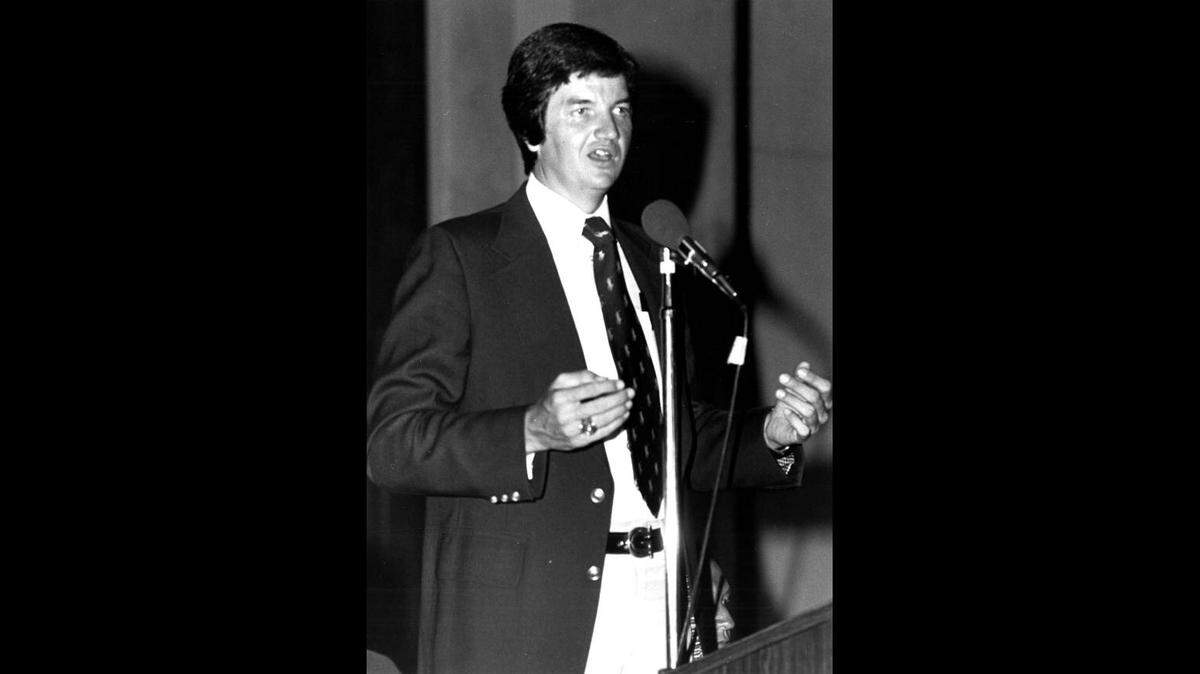
Chuck Dowdle
He was sports director at WPLG-Channel 10, until 1985.
Dowdle, who attended the University of Georgia for two years and graduated from Georgia State in Atlanta, came to Miami and began to work for Channel 10 Aug. 28, 1973.
At the time, Bob Halloran was the WTVJ (Channel 4) sports anchor, Morris McLemore was his counterpart at Channel 7 (then known as WCKT, now WSVN), and Joe Croghan was at Channel 10. The Channel 10 newscast was a distant third in the ratings. Dowdle replaced Croghan as sports director in August 1975.
Channel 4 has had three sports anchors since Halloran; Channel 7 has had four since McLemore; and Channel 10 is No. 1 in the 6 p.m. and 11 p.m. Nielsen ratings.
Dowdle, voted the local market’s favorite sportscaster in a 1977 Miami Herald poll, has served as host for The Don Shula Show for 11 years. He served as play-by-play man on University of Miami football telecasts for two years, on Fort Lauderdale Strikers’ soccer telecasts for three years and for Dolphin exhibition games for two years.
This story was originally published February 10, 2020 at 12:00 PM with the headline "This just in! Do you remember these former South Florida news anchors?."