
‘Cannot give up’: Miami arts groups push on despite funding battles
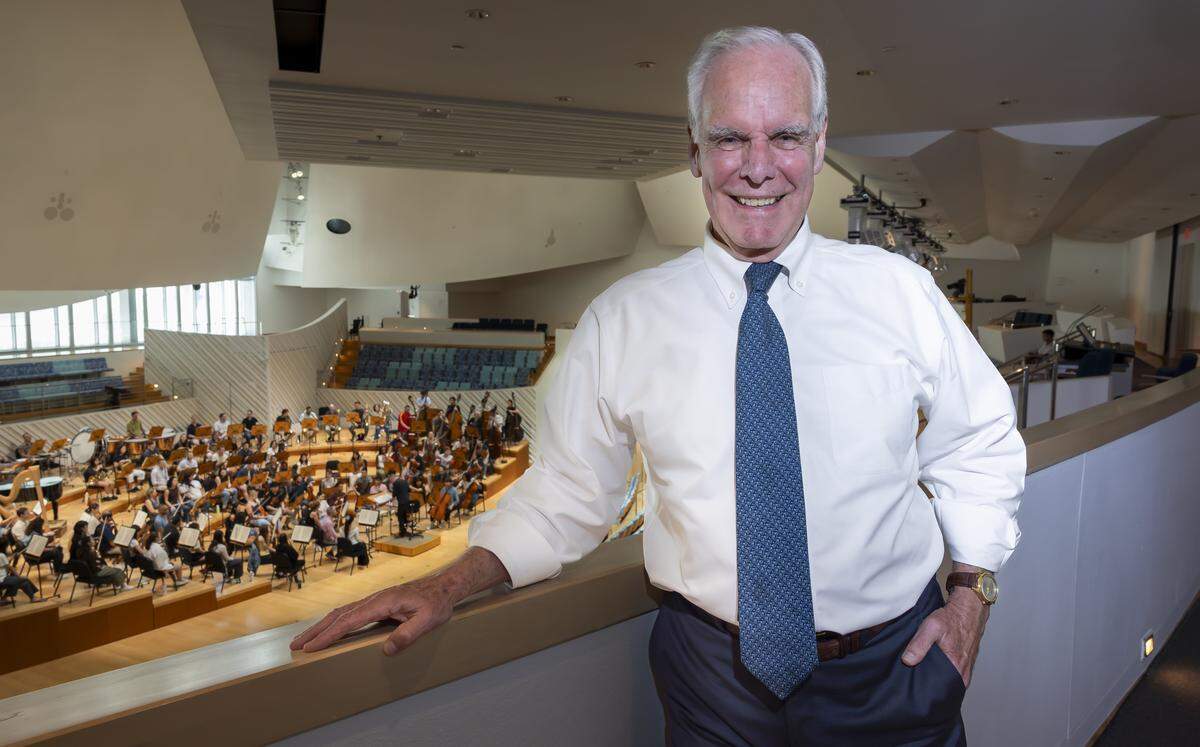
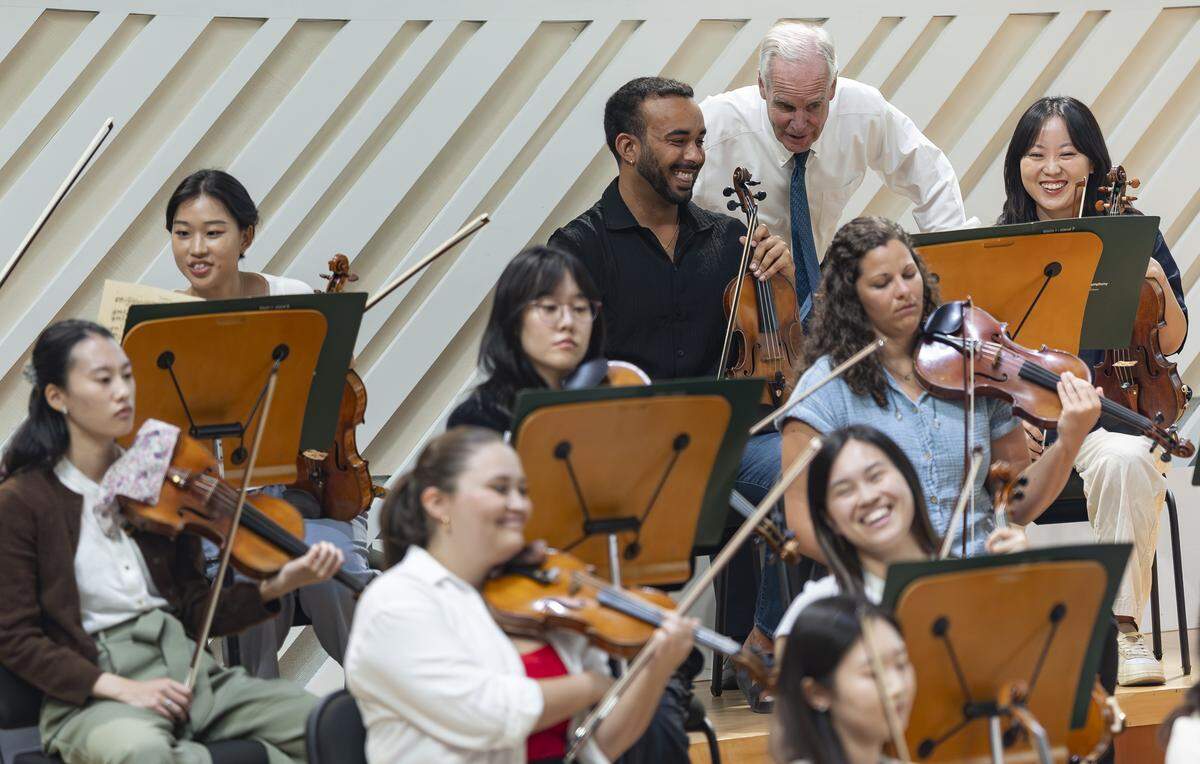
Thirty-eight years ago, the New World Symphony started “on a shoestring,” said the orchestral academy’s CEO, Howard Herring.
The Miami Beach-based organization now has a $21 million budget that is a blend of donations, grants, funds from their endowment and revenue from ticket sales and rental of the New World Center.
But this year, Herring joined other leaders of local arts organizations who were forced to mobilize after facing a budget crunch from all sides. Federal, state and local arts funding reductions have created a crisis in the community.
The good news, said Herring, is that he has seen local arts groups begin to “spread their base” of funding sources to get through lean times.
“You have to be ready for those things,” he said.
The past two years have been rocky for local arts organizations. In June 2024, Gov. Ron DeSantis vetoed all state arts grants. This year he approved $18 million in grants but also introduced stricter criteria for what the funds could be used for, complaining in February about the amount of “wokeness that has been underwritten.”
Last year, Miami-Dade County cut back on grants to arts groups from its Cultural Affairs Department, but this year’s severe budget cuts gave Miami-Dade’s arts community a jolt.
The 2025-26 budget proposal called for a cut of 52 percent ($12.8 million) in county financial support for the cultural arts in Miami-Dade County. Also in the budget proposal: The Cultural Affairs Department was to be eliminated as a standalone entity and instead be consolidated into the Miami-Dade County Department of Arts, Culture and Library Services.
After major pushback from arts groups, Mayor Daniella Levine-Cava proposed the restoration of $11.5 million for cultural grants and to keep the Department of Cultural Affairs independent, which the commission passed on Thursday. But the message to Miami’s arts community is clear: The government is not a reliable source for funding anymore.
The Miami Herald spoke to heads of local arts groups on how the uncertainty is affecting how they run their businesses and, in some cases, if they’ll be able to survive beyond this arts season.
Despite the gloomy outlook, Miami’s arts organizations have proven themselves resilient, and many share that they are coming up with ways to prepare for the future and navigate the new landscape. They all agree the arts should be treated as a necessary expense, not a luxury.
“Culture binds community. All of us in the cultural community are creating an environment that holds us together as a society,” said Herring. “Distractions are everywhere, but to make the most of our opportunities and to confront those challenges, the cultural communal experiences that the arts bring are what we need as a society, as a city and as a county.”
‘We are not going anywhere’
Beth Boone, artistic and executive director of Miami Light Project, has been one of those leading the charge to protest the county’s proposed budget cuts, showing up to commission meetings and the mayor’s virtual town halls. She says arts leaders are frustrated with how the uncertainty makes planning impossible.
“It is a gross misuse of all our time to have to press pause on the work we need to do year in and year out,” she said. It is the small and mid-size arts groups that are most vulnerable because losing one major funding source could cancel a season, she said.
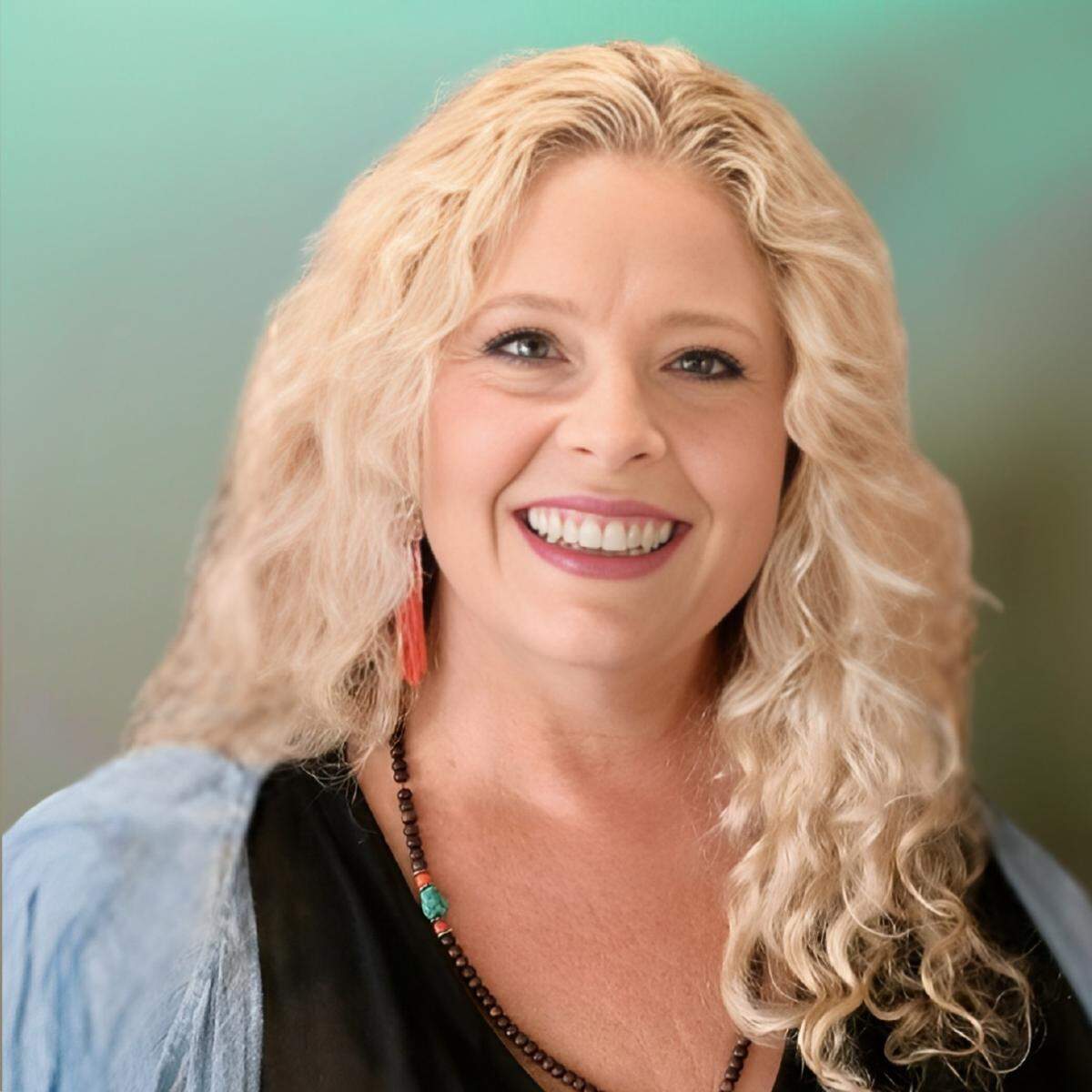
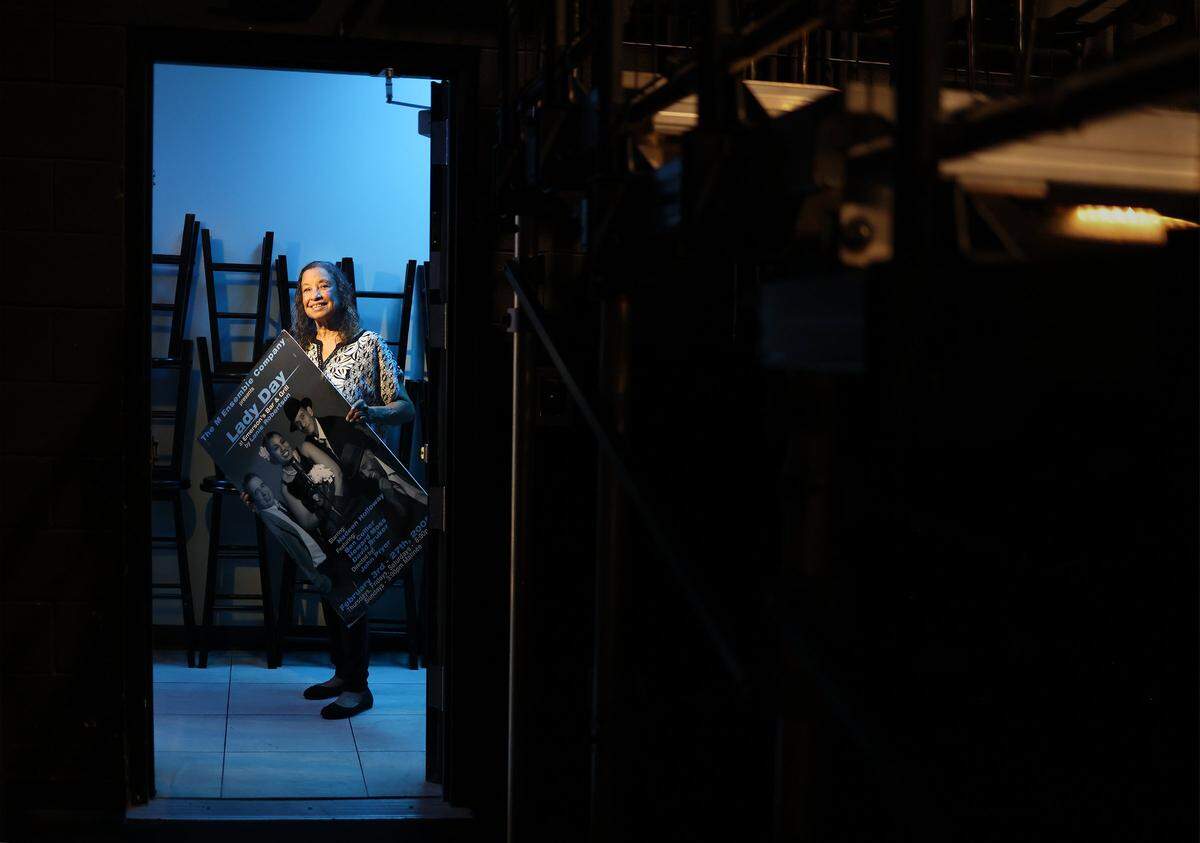
For Shirley Richardson, co-founder and executive director of Florida’s oldest Black theater company, M Ensemble, surviving is nothing new.
“We are not going anywhere,” said Richardson. “We’re 54 years old, so I guess we have learned how to survive, how to get around things, how to deal with challenges, but we can’t let that get in the way of our continuing our legacy.”
M Ensemble, the resident theater company in the county-owned Sandrell Rivers Theater in Liberty City, gets $165,000 in grant money from the county, using the money to pay actors and administrative fees. But the group also is constantly working to “fill gaps,” getting funding from the Knight Foundation, Funding Arts Network and the Miami Salon Group and participating in Give Miami Day. They’re also branding the company for broader recognition, with plans for a traveling exhibit. Still, Richardson worries about losing warehouse space for costumes and props.
“We need to support our culture and preservation,” she said. “Keep African American artists employed, and keep having a way to tell our stories.”
The entire arts ecosystem of Miami-Dade County has thrived because of the county’s support, but arts leaders are quick to point out that the county has benefitted from their work as well.
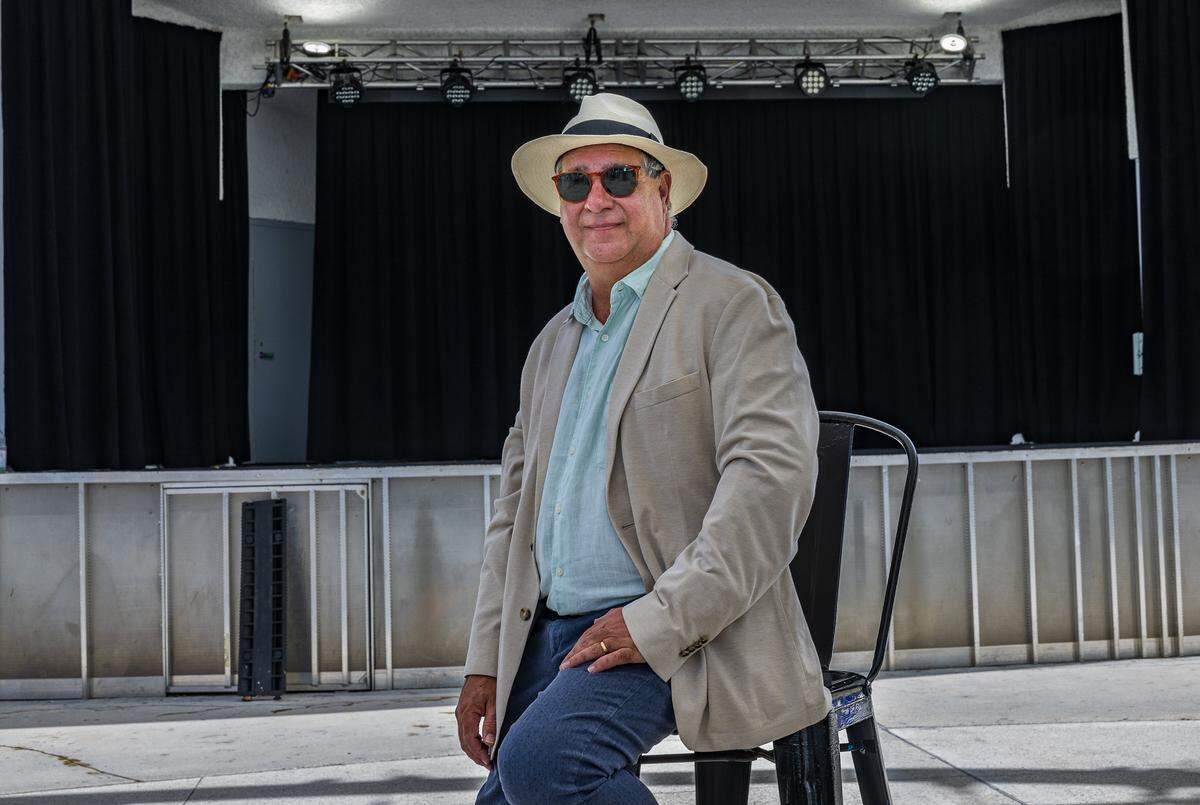
Ever Chavez, founder and co-director of FUNDarte, said his organization gets about 50 percent of its funding from the county. The group also relied on subsidies tied to performances at the Miami-Dade County Auditorium, which is closed for much-needed renovations. The budget proposal initially would have put a pause on the upgrades to the auditorium, but the $98 million capital allocation for the performance hall was ultimately included in the county commission’s budget. Completion of the improvements is anticipated to be in 2027-28.
Chavez said that while the budget cuts may mean doomsday to his organization, what frustrates him the most is the lack of acknowledgment of what arts groups such as his bring to the county – what he calls ambassadorship.
“It is kind of unfair what is happening because the Miami that we have now is because it was built by all of us,” he said. The area had limited arts infrastructure when he founded his group in 2003, and the cultural scene was fragmented; known more for the beach and nightlife than the cultural reputation it has today.
The increasing financial support as Miami became an arts hub is what attracted many creatives to the city.
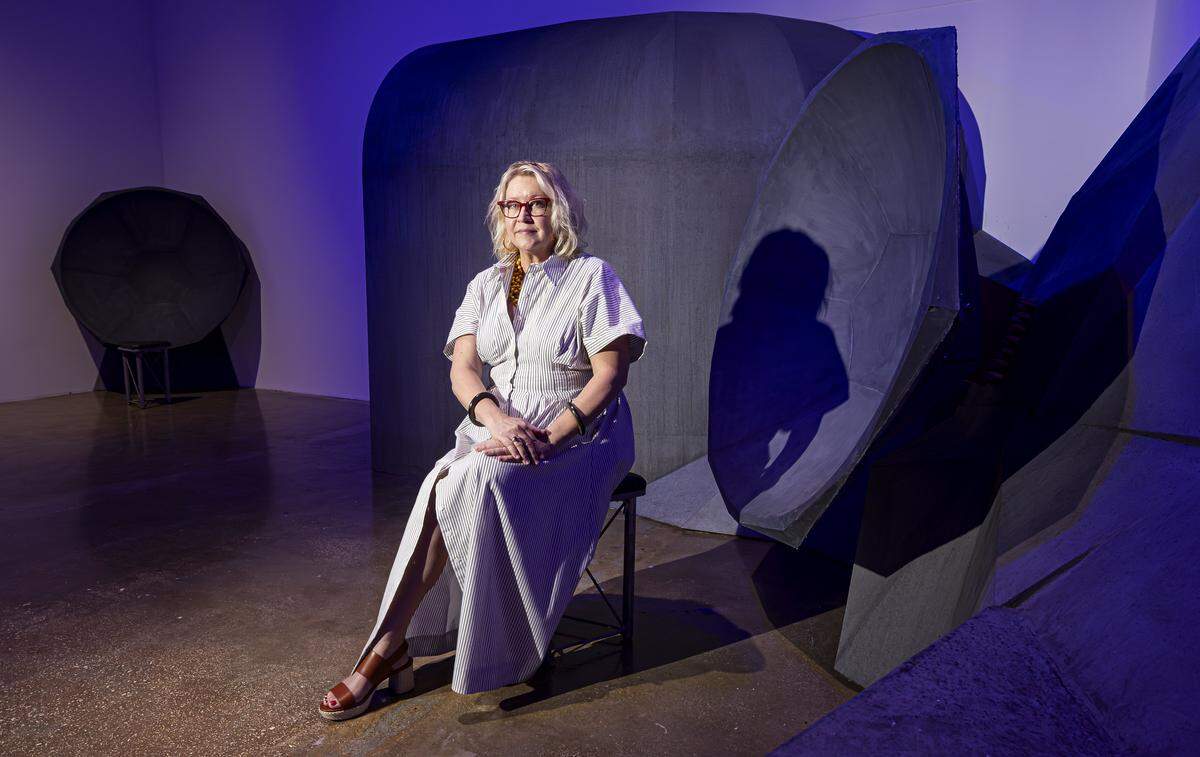
Lorie Mertes, executive director of Locust Projects, a nonprofit alternative art space in Miami, said the reason she returned to the area after working in other parts of the country was because of the county’s investment in the arts landscape.
“Locust wouldn’t be where it is today, like many of our small, mid-sized organizations, without the sustained funding from the county,” she said, specifically citing a Department of Cultural Affairs grants program that offers ongoing support to arts groups.
“We certainly would not have the robust cultural community that we have without the investment that the county has made in this sustained funding source,” she said.
For Rosie Gordon Wallace, the county’s support was an investment in the future of Diaspora Vibe Culture Arts Incubator, which she founded 30 years ago as a space to nurture and showcase the creativity of emerging Caribbean Diaspora artists, artists of color and immigrant artists, both locally and globally.
“The loss of funding from the state was devastating, and this all has created a lot of anxiety because it puts a boomerang into our succession planning. I am trying to create a team that will take this organization into the next 30 years. You cannot leave an organization that is not financially and fiscally sound to a young team.”
Hitting milestones amid financial uncertainty
Even in an unsettled climate, some institutions are celebrating major milestones.
The Adrienne Arsht Center is celebrating a watershed year — its 20th season of programming – but proceeding with caution.
“Given the climate of uncertainty, we’re managing our investments a little more tightly, but we remain committed to programming that’s culturally diverse and inclusive, reflects Miami’s culture and fosters a sense of belonging,” said Johann Zietsman, president and CEO of the Arsht Center. “We might scale back on higher-risk productions, for instance, but we remain committed to presenting impactful shows that are excellent, relevant, accessible and highly appealing to audiences.”
Zietsman said they are also focusing on ensuring the arts remain accessible to younger audiences by offering more than 40 shows to students in public schools free of charge. And, he said, shows for the community are also a priority.
“We are planning more than a dozen free community events for varied ages and interests – from a concert honoring military and veterans in November to pop-ups around Miami-Dade to cultural heritage celebrations.”
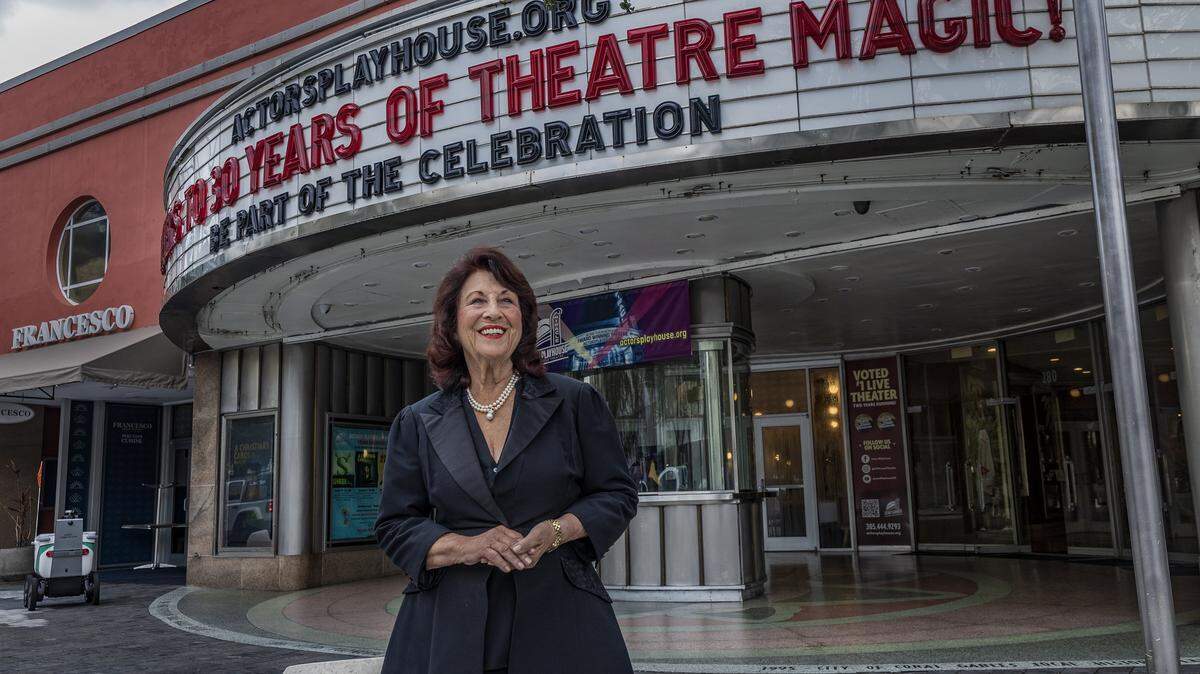
Actors’ Playhouse, which began in Kendall before moving to Coral Gables, is marking 30 years in its Miracle Theatre home. With a $1.5-2 million annual budget, the company now is considered among the county’s major institutions.
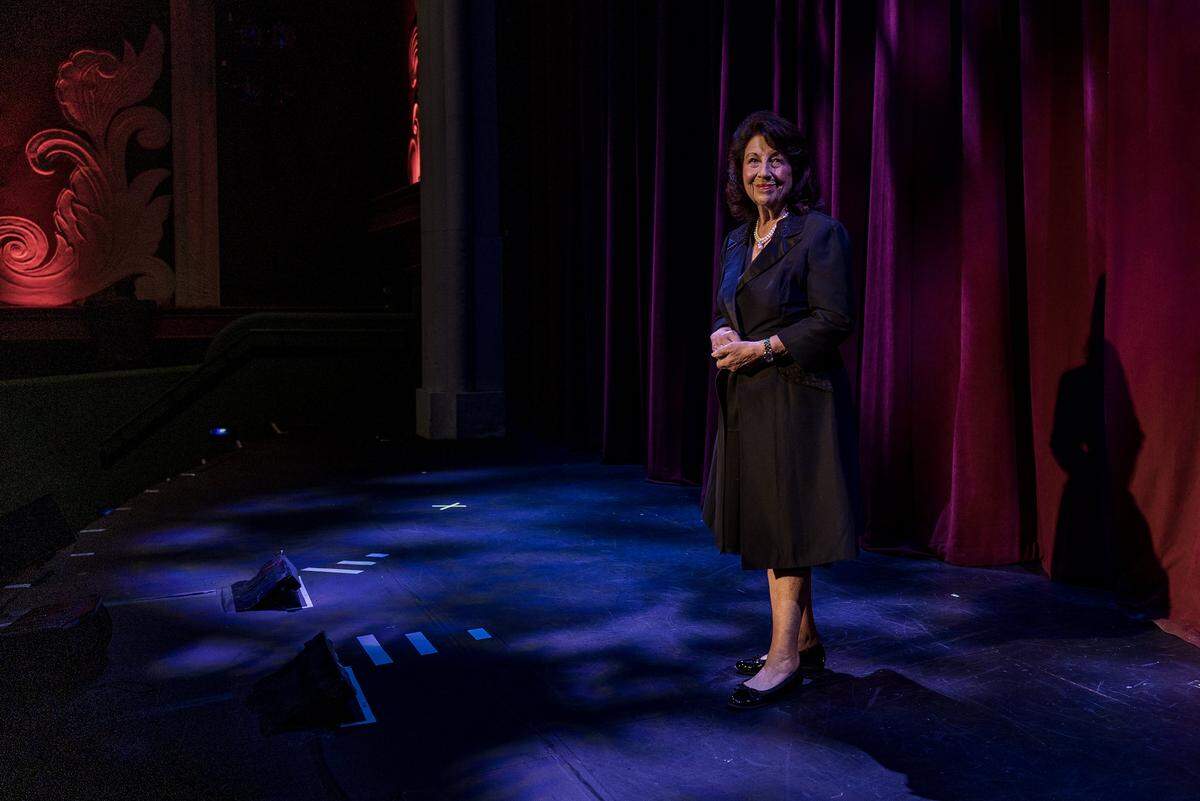
“It has taken us a long time to get to this point,” said co-founder and Executive Producing Director Barbara Stein. ”But if you start taking it back, it will take twice as many years to get it back again.”
While Stein said she is sympathetic to the commissioners who must make tough decisions, she doesn’t agree that arts groups and the Department of Cultural Affairs should be looked upon as expendable.
“We are a resource of economic benefit,” she said, pointing out how much foot traffic their theater brings to Coral Gables, benefitting local restaurants and businesses.
Stein called the potential funding cuts “hurtful” because it “keeps us from expanding the way we should.” But she said that the company’s season is as robust as always, with a big production of “Man of La Mancha” to celebrate its anniversary and the Broadway musical “Dear Evan Hansen” as season highlights.
“We’re going to survive because we’re survivors,” said Stein. “But we will struggle to grow how we need to. We won’t cut back on any of our production levels. That’s very important to us.”
This story was originally published September 19, 2025 at 4:30 AM.