
Miami-Dade’s cultural affairs department brought a lifeline to arts groups amid pandemic
.jpg "The Young Talent Big Dreams competition at Actors’ Playhouse went virtual this year.")
The ripple effect of giving is a beautiful thing.
For the artists and arts groups of Miami-Dade, the county’s Department of Cultural Affairs has long been a kind of river of sustenance — never more so than during the pandemic.
Led for three decades by Michael Spring, a visual artist himself, the department has long been considered to be among the country’s best. When COVID-19 hit, Spring and his colleagues — deputy director Marialaura Leslie, grants chief Gilda B. Mooney and 14 other staff members whose portfolios include working with grants — pivoted into an organized, highly effective crisis mode.
“In March, we didn’t know how long the COVID storm would last,” says Leslie. “We tinkered with our tools so we could report the financial impact on a monthly basis…We made sure we had accurate data, vetting all information through our grants administrators, so we could see the financial impact in real time. Once we assessed the damage, we looked at the resources we could tap into to help the arts community.”
Thousands of arts and culture jobs affected
The results from March through August (September’s numbers will be added soon) were sobering: An estimated $112 million in losses and expenses, with 18,154 arts and culture jobs affected. In June, the department partnered with the Jorge M. Pérez Family Foundation to launch the Miami-Dade Artists Support! (MAS!) grants program, awarding $270,000 in grants of $200 to $500 each to 540 individual artists.
Then in late July, the county commission approved a resolution to develop the broader Miami-Dade Arts Support (MAS) grants program, which has been funded by $10 million from the federal Coronavirus Aid, Relief and Economic Security (CARES) Act.
More than 200 arts and cultural organizations were eligible for aid based on a proportion of their annual operational grant support from the Department of Cultural Affairs, with other not-for-profit and for-profit organizations also able to apply for funds to help with the cost of business interruption, reopening expenses and staff/artist support.
$10 million in grants from CARES Act
The department received 293 applications, with an additional 857 individual artists, cultural “gig” workers and artist entrepreneurs applying for the second round of individual MAS! grants. Grant recipients are being notified and must use the funds by the end of December.
“We’re thrilled about the $10 million, but we know it’s not enough. The need is really staggering,” says Leslie, who expressed gratitude to Mayor Carlos Gimenez and the county commission for the recent approval of the department’s $52.8 million 2020-2021 budget ($20 million of that is earmarked for cultural grants and programs). “We’re trying to help as many organizations survive as possible.”
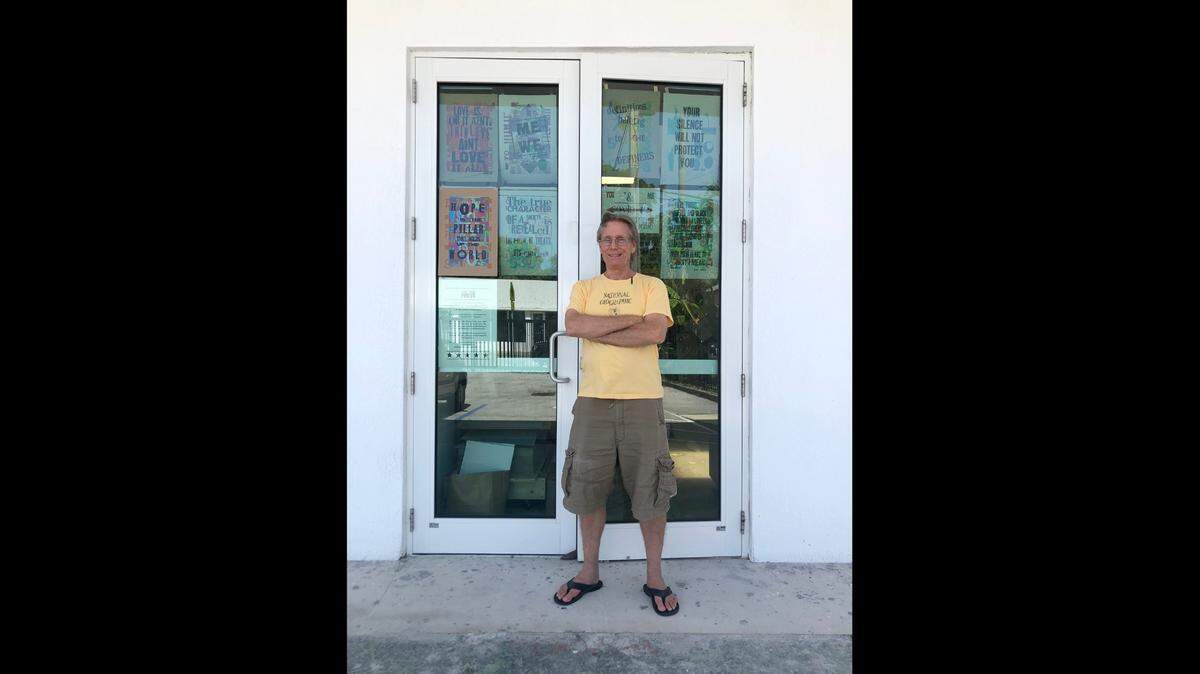
Artist Tom Virgin, who used his $500 MAS! grant to buy paper and ink for the two letterpresses in his studio, says, “I entered this pandemic as a high school art teacher, an individual artist and an organization (Extra Virgin Press). Three roles, but basically still just me…Michael Spring and everyone at the Miami-Dade County Department of Cultural Affairs were the most informed group in the city from day one…
“Individual artists, small organizations like mine and large museums — all of us were informed [by the department]. They delivered the tools that captured the metrics of this crisis. Their financial impact surveys brought each of us to an understanding of our losses and helped us to mitigate our crises early in this pandemic.”
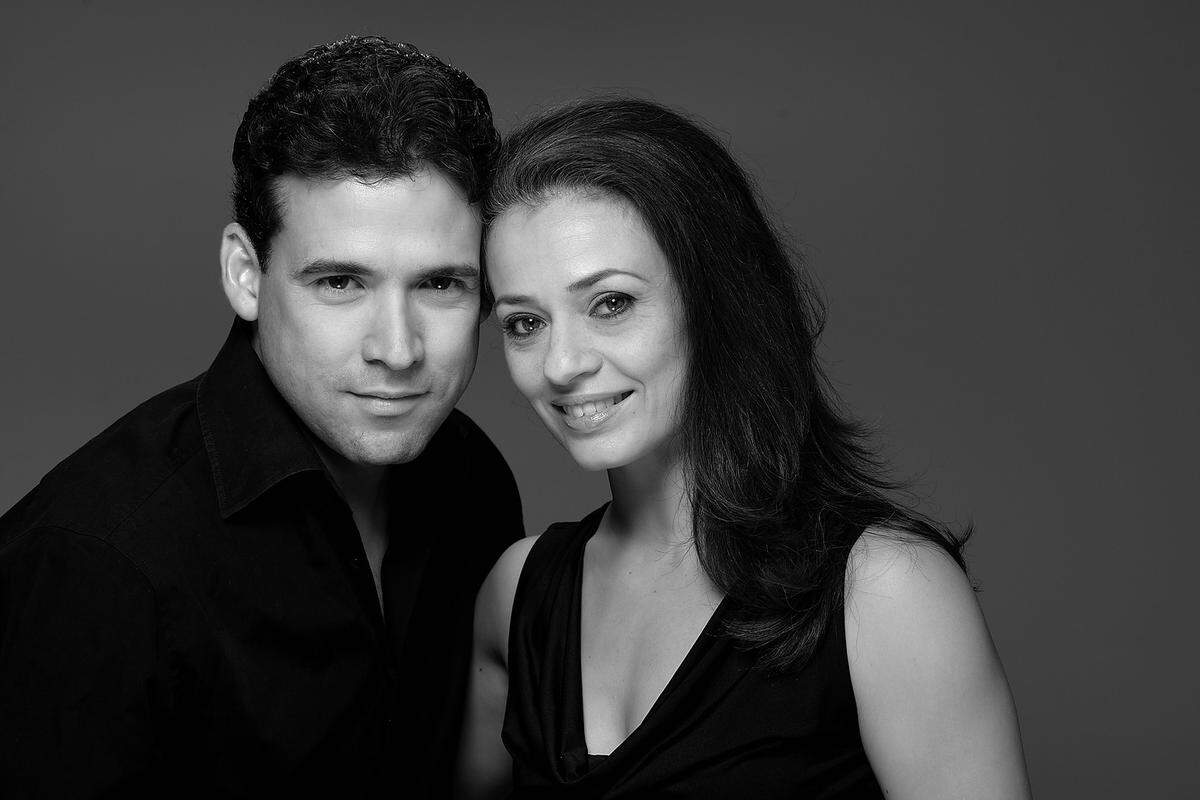
Jennifer Kronenberg, who cofounded and serves as co-artistic director of Dimensions Dance Theatre with her husband Carlos Guerra, says she and her colleagues at the 4-year-old company have felt deeply supported by the department during the pandemic in ways that go beyond the $12,423 grant Dimensions received.
Empathetic tone
“Communications from the department, especially in regards to MAS and MAS! [grants], have been frequent, clear, action-based and encouraging. There was also a genuine empathetic tone through which the collective humanity that is behind the department logo shone through,” she says.
.jpg "Department of Cultural Affairs arts team (2).jpg")
“It came as such a comfort to feel like Michael Spring, Marialaura Leslie, [cultural projects administrator] Roxana Barba and each staff member was personally invested in championing for our survival and the survival of the Miami arts community.”
That depth of support, say some of the arts leaders and artists receiving MAS and other grants from the department, is vital.
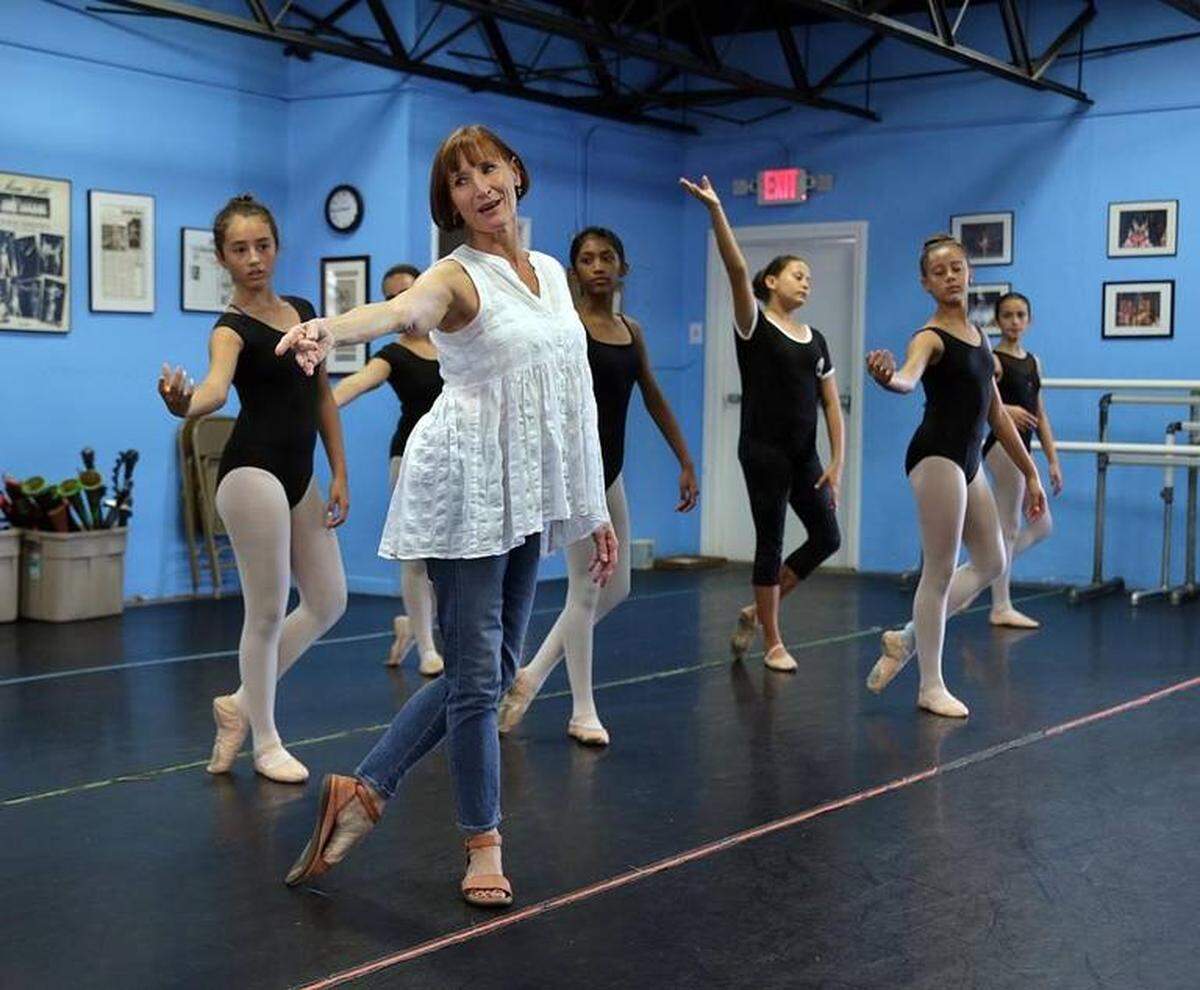
Ruth Wiesen, executive artistic director of the Thomas Armour Youth Ballet, observes that “an excellent track record with the Miami-Dade County Department of Cultural Affairs is akin to the ‘Good Housekeeping Seal of Approval’ for arts organizations…”
She adds that the $56,250 her company received from the MAS grant is being used to pay teaching artists and prepare the space for an in-person return to classes.
The mission of Fantasy Theatre Factory (FTF) is to provide free and low-cost programs for children, families and general audiences. Executive artistic director Larry Fields, whose company also manages the county-owned Sandrell Rivers Theater in Liberty City, notes that FTF produces more than 500 events throughout South Florida each season.
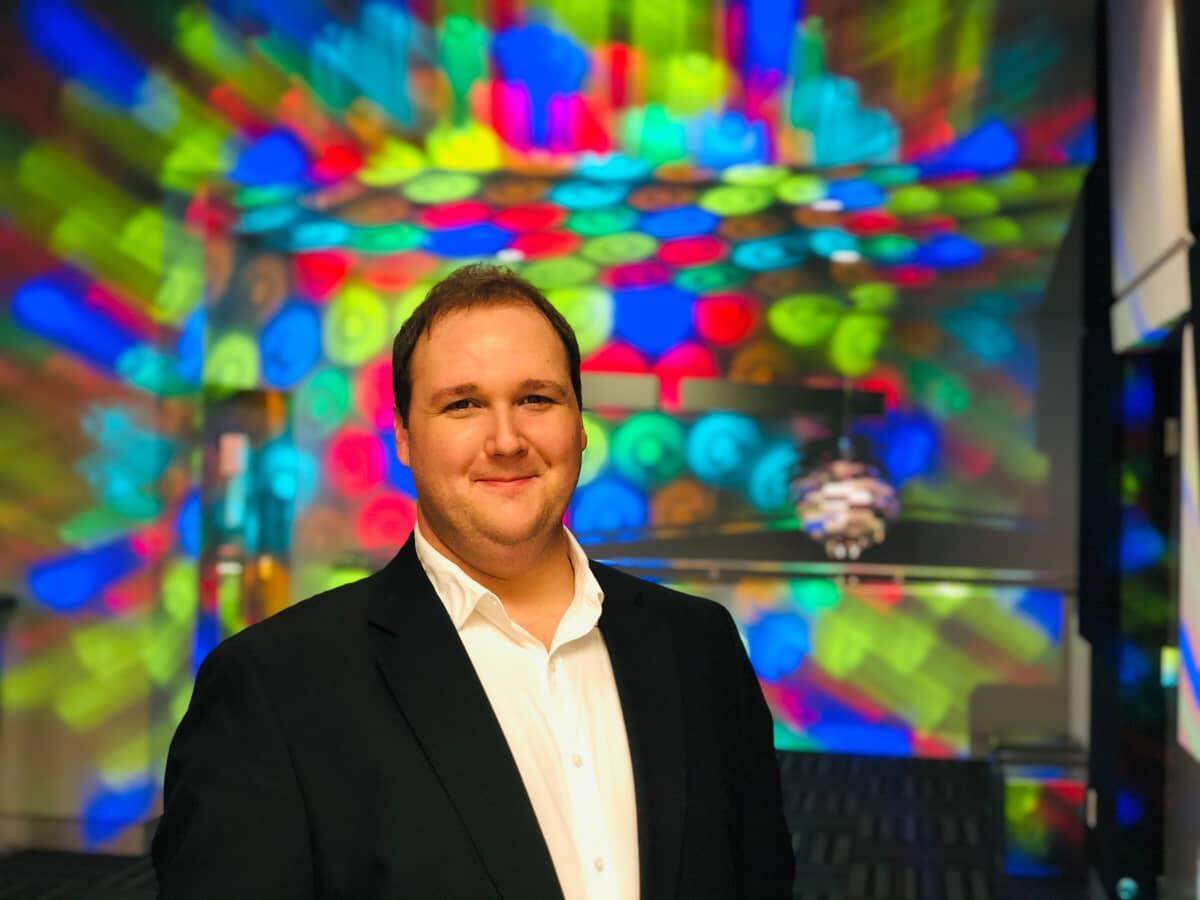
Receiving approximately $200,000 in two MAS grants, along with a grant from the Broward-based Jim Moran Foundation, became a lifeline as activity temporarily screeched to a halt in March.
“The grants kept multiple people in their jobs for the 2020-2021 season. They meant we can continue creating virtual programming and working toward a safe reopening of the theater. They made all the difference in the world,” Fields says.
Grants keep arts groups afloat
Chana Sheldon, executive director of the Museum of Contemporary Art (MOCA) North Miami, says that a $90,000 MAS grant gave the museum “a level of stability, allowing us to pivot virtually.”
.jpg "Chana Sheldon, MOCA executive director, by Daniel Bock (1).jpg")
MOCA put up photographer Carl Juste’s “I Am a Man” exhibition on its plaza, offered a virtual summer camp to nearly 100 children and extended its education programs with online classes for adults. The grant also allowed the museum to reschedule its exhibition “Raúl de Nieves: Eternal Return and the Obsidian Heart,” which runs through March 21, 2021.

Dancer-choreographer Marion-Skye Brook Logan, who received a grant of $500, says, “The amount might seem small to some, but it lifted a weight off my shoulders. I not only easily paid for my phone bill but was able to support my art project for that month, which I originally thought I wouldn’t be able to accomplish due to COVID…Seeing Miami come together to take care of its artists means the world to me and many of my artist brothers and sisters.”
FUNDarte director Ever Chavez says that a $27,000 MAS! grant helped his organization transition to more virtual content — as well as allowing FUNDarte to purchase a new domain to help present that content. But, he adds, “our commitment is not only to our audiences and artists but to the art of live performance itself. This is an essential part of what we bring to the community, and we are committed to continue doing so as soon as it is safe.”
.JPG "Edouard Duval-Carrie and others (1).JPG")
Edouard Duval-Carrie, CEO of the Haitian Cultural Arts Alliance, believes the alliance’s $12,000 MAS grant means nothing less than survival: “It will help us keep alive as we try new ways to operate within this current health crisis — which will not end soon enough.”
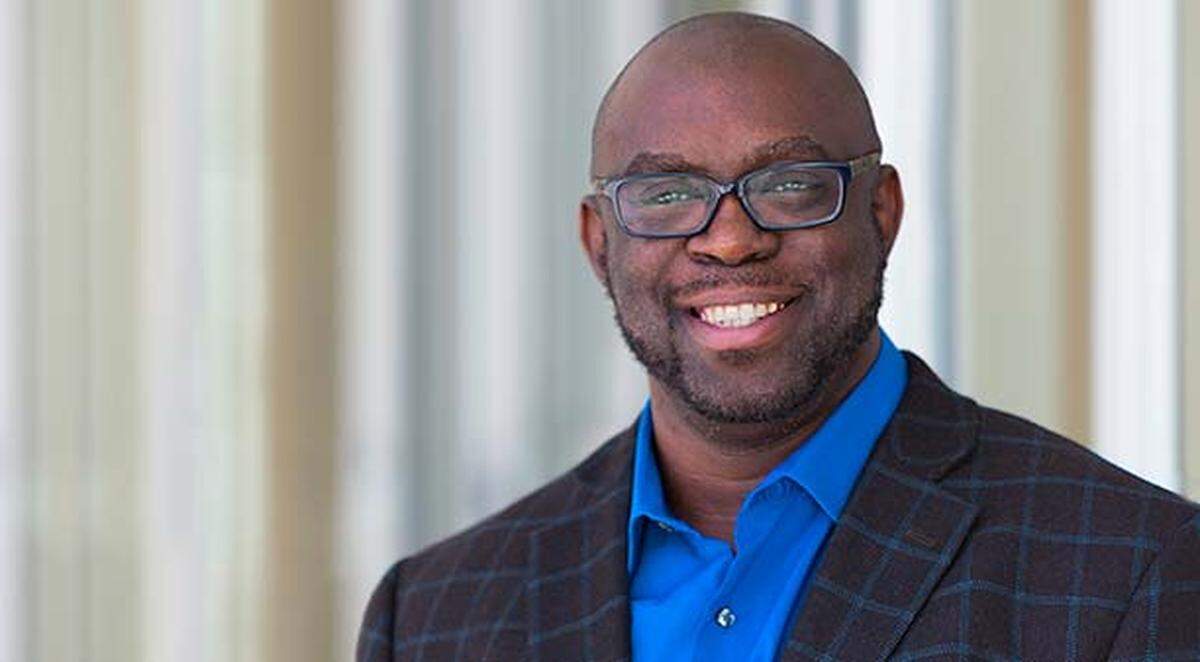
Timothy Barber, executive director of the Black Archives and Overtown’s Lyric Theater, is using the historic theater’s $100,000 MAS grant to “retrofit our building” to conform to reopening guidelines, as well as keeping staff employed, bringing a measure of job security to their families.
Barbara Stein, executive producing director of Actors’ Playhouse, reports using its $138,398 grant in multiple ways, including maintaining and sanitizing the Miracle Theatre in Coral Gables, paying the remaining dozen staff members who have taken on additional duties, and transitioning to virtual entertainment and events, such as the theater’s gala auction, its Young Talent Big Dreams competition and the theater’s song-driven “Camelot” which streams through Oct. 25.
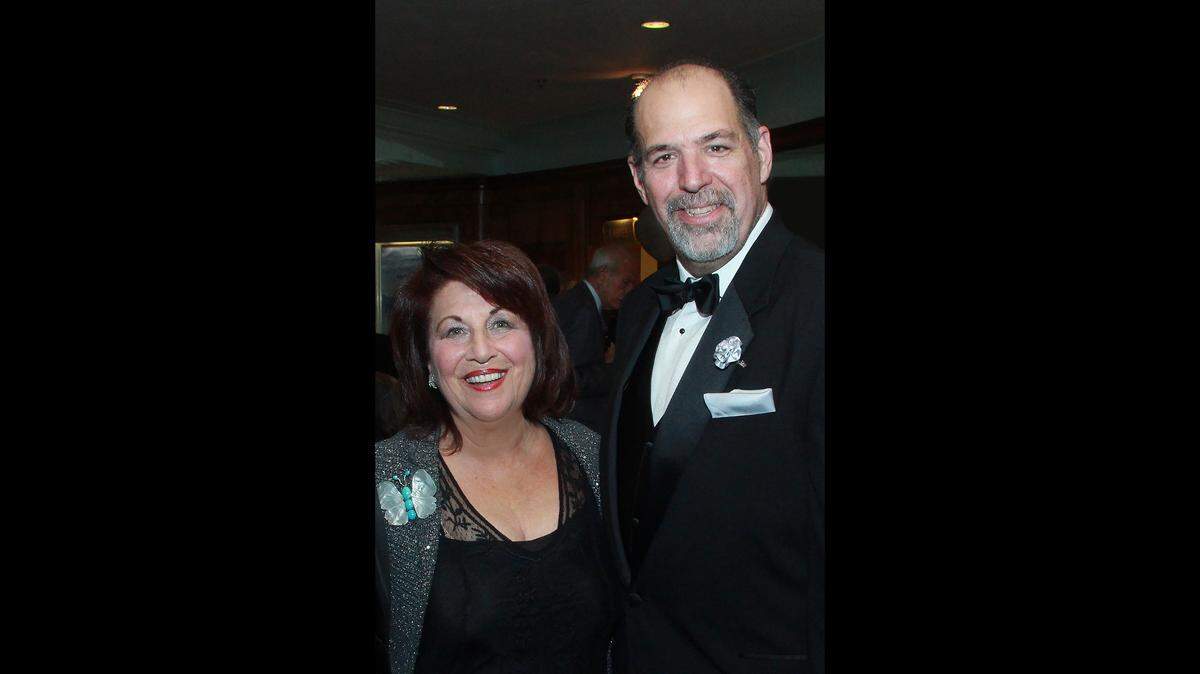
“Moonlight” and “David Makes Man” actress Tanisha Cidel, director of Norland Middle School’s magnet theater program, and her husband Bringle, director of the band and orchestra programs at Dr. Michael M. Krop Senior High, each received $500 in the first round of individual MAS! grants. The two run an arts summer program through their Evolutionary Arts Life Foundation, and with the money they were able to hire an editor to put together an end-of-program video for their YouTube channel.
“The MAS! grants were right on time for us, just at the end of our virtual programming,” Cidel says. “We’re thankful to the department, not just for the MAS! grants. We got the support we needed to pivot.”
As the pandemic stretches on, the needs of Miami-Dade’s arts and culture groups, its institutions and its individual artists remain real and urgent. But grant support from the county’s Department of Cultural Affairs has helped sustain the cultural ecosystem. Because that’s what giving does.
How to get help
While the MAS grants program has ended, Miami-Dade cultural organizations and artists can find information about other grants at www.miamidadearts.org/grants.
Email: culture@miamidade.gov.
This story was originally published October 27, 2020 at 7:00 AM.