‘Disability erasure’: New film tells untold story of disabled victims of Holocaust
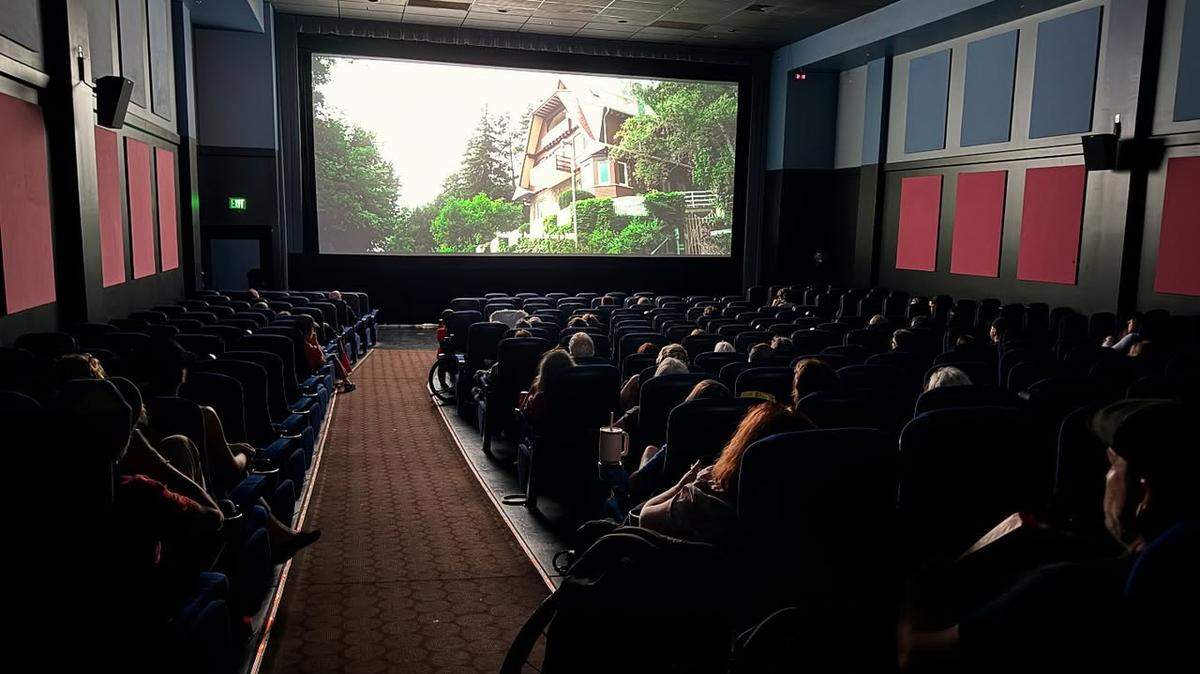
Filmmaker Cameron S. Mitchell describes them as the first group of victims to be killed in the Holocaust — but the last to be remembered.
In his new film “Disposable Humanity,” which is being shown at the Miami Jewish Film Festival this Thursday, Mitchell investigates the history of Nazi Germany’s Aktion T4 program, revealing how Nazis built the first gas chambers to systematically murder institutionalized patients with disabilities and trained medical staff to become executioners. The program resulted in the deaths of nearly 300,000 disabled individuals, according to historian estimates.
The program laid the groundwork for the mass killing of Jewish people in the Holocaust, but often gets forgotten in the realm of Holocaust education. Mitchell and his family investigated the program for two decades, puzzled by how little was known about it.
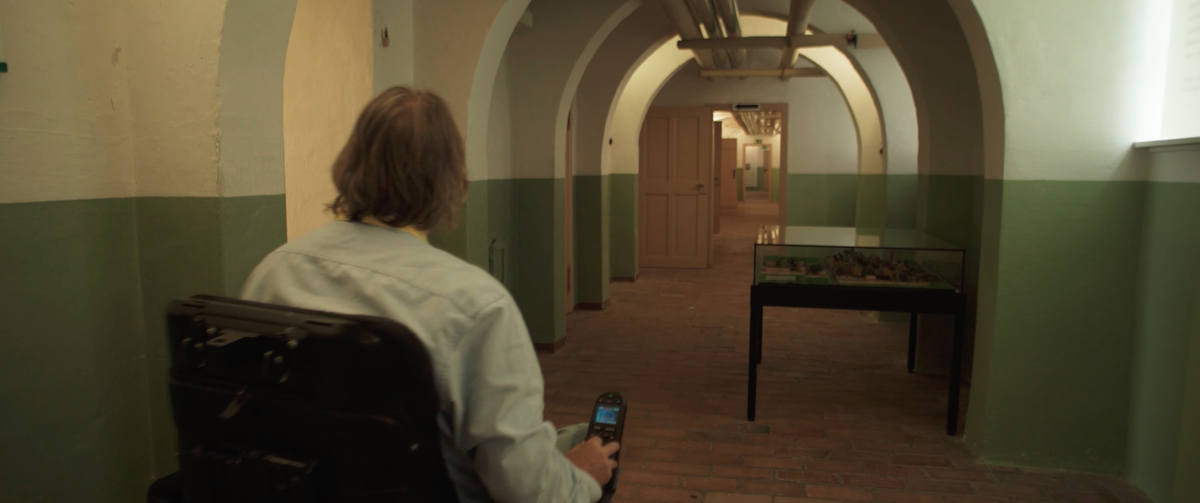
Nazis started the program in 1939 —about two years before they began murdering Europe’s Jews — to target individuals with psychiatric, neurological or physical disabilities. Eugenicists and their supporters believed that disabled people had a “life unworthy of living,” said Mitchell.
The documentary, Mitchell says, is meant to be a memorial for those murdered in the T4 program, and help tell the story about a disappearing piece of Holocaust history.
“There’s disability erasure at every level all throughout history,” he said, adding that even the memorials themselves were not always accessible for people with disabilities.
A memorial for the victims of T4 wasn’t built in Berlin until 2011 — making disabled people the last victim group to be recognized in the city center, Mitchell said.
Another example of this is during the Nuremberg Trials, “disabled victims weren’t focused on by the juries because they weren’t seen as victims that would be seen as human,” he said.
The film follows the stories of several descendants of disabled victims and witnesses who have all pieced together the history of their relatives’ past.
“In a place where we have no survivors, I can make a film as a filmmaker that can still create remembrance almost 100 years later,” Mitchell told the Miami Herald. “That’s the power of film.”
“Disposable Humanity” is a film told from the perspective of disabled people, as the Mitchell family all have different disabilities.
Mitchell’s parents — Disability Studies professors and scholars David Mitchell and Sharon Snyder — helped conduct research about the T4 program and its connection to American Eugenics, as well as record conversations with Holocaust memorial directors, disabled people and relatives of T4 victims.
The documentary also examines how media propaganda was used to dehumanize disabled people, arguing that the group was a threat to society.
“You will see the propaganda, you will see the methods, and then you will come out that much better equipped to recognize when it’s happening in the world around you,” Mitchell said.
Though they make up a quarter of the American population, the stigma around people living with disabilities is something that still exists today.
As a filmmaker, Mitchell’s hope is that the film will act as a cautionary tale about the dangers of unchecked fascism by educating people about how this atrocity happened.
“I have great concern that we don’t know about this history, and so we are due to repeat it,” Mitchell said. “We have to protect the most vulnerable, because they are the first rung in the ladder. The disabled people are the canary in the coal mine for fascist regimes.”
If you go:
What: Disposable Humanity Southeast premiere
Where: O Cinema South Beach, 1130 Washington Ave Miami Beach, FL 33139
When: 6 p.m. Thursday
Cost: Free
Info: https://miamijewishfilmfestival.org/events/disposable-humanity
This story was produced with financial support from Trish and Dan Bell and donors in South Florida’s Jewish and Muslim communities, including Khalid and Diana Mirza and the Mohsin and Fauzia Jaffer Foundation, in partnership with Journalism Funding Partners. The Miami Herald maintains full editorial control of this work.
This story was originally published January 13, 2026 at 3:56 PM.