Documentary about Miami’s ‘Motorcycle Queen’ is a festival favorite. Is Oscar buzz next?
It’s hard to say if Bessie Stringfield went wherever the wind told her or if she made the wind bend to her will.
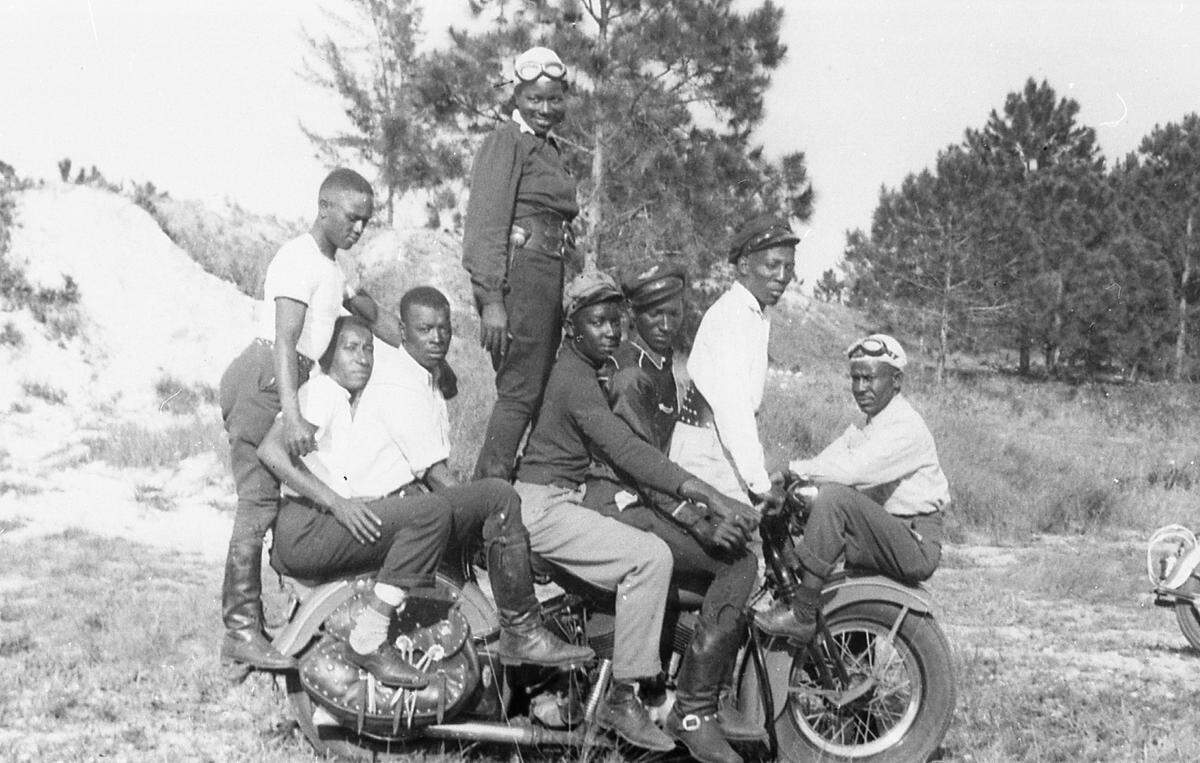
Known as the “Motorcycle Queen of Miami,” Stringfield was the first Black woman to ride a motorcycle cross country, completing eight trips total across the U.S. starting in the 1930s, and facing all her challenges head on.
Stringfield’s accomplishments, zeal and determination are depicted in the short documentary “To Myself With Love: The Bessie Stringfield Story,” which features snapshots of Stringfield’s life, from cross dressing to compete in motorcycle races, to her many marriages, to being inducted into the AMA Motorcycle Museum Hall of Fame in Pickerington, Ohio. A longtime resident of Opa-locka, she founded her own riding crew, Iron Horse Motorcycle Club, and inspired a whole generation of Black women to buy their own motorcycles and head out on adventures.
Producer and filmmaker Diane Weis had been researching Stringfield and her story for the past five years. She was intrigued by Stringfield’s charm, gumption and history-making rides, and wanted to make a movie that captured the essence of who Stringfield was.
“She’s such a remarkable trailblazer,” Weis told the Miami Herald of Stringfield, who died in 1993 at 81. “Her story just resonated with me. She just hit me as being someone who did something at a time when nobody, no other women or women of color, were doing.”
The film includes rare audio from an interview Stringfield did with documentary filmmaker Alice Stone, who was doing a film on women motorcycle riders. Sadly, she died before Stone could interview her on camera. Besides a few photographs, there isn’t much visual documentation of Stringfield. She is captured on film once, when she was honored with an exhibit by the American Motorcyclist Association in 1990.
That audio aided in Weis’ quest to tell a full story of Stringfield.
“We really wanted to show the different aspects of her remarkable life, her personal life, her marriages, forming the Iron Motorcycle Cub. . . her dedication to her dogs, and when she wanted to join the convent,” Weis said. “We wanted to try to show a little bit about her, her whole life, not just about her being the first black woman to ride across the United States.”
Stringfield narrates the story of her life, from her strained relationship with her father to the racism she experienced at school.
Fed up with the mistreatment at school, Stringfield tells about the day she threw a apple at a racist teacher who was blaming her for something her white classmates did to her. “I was taught to stand up for my rights,” Stringfield says in the film.
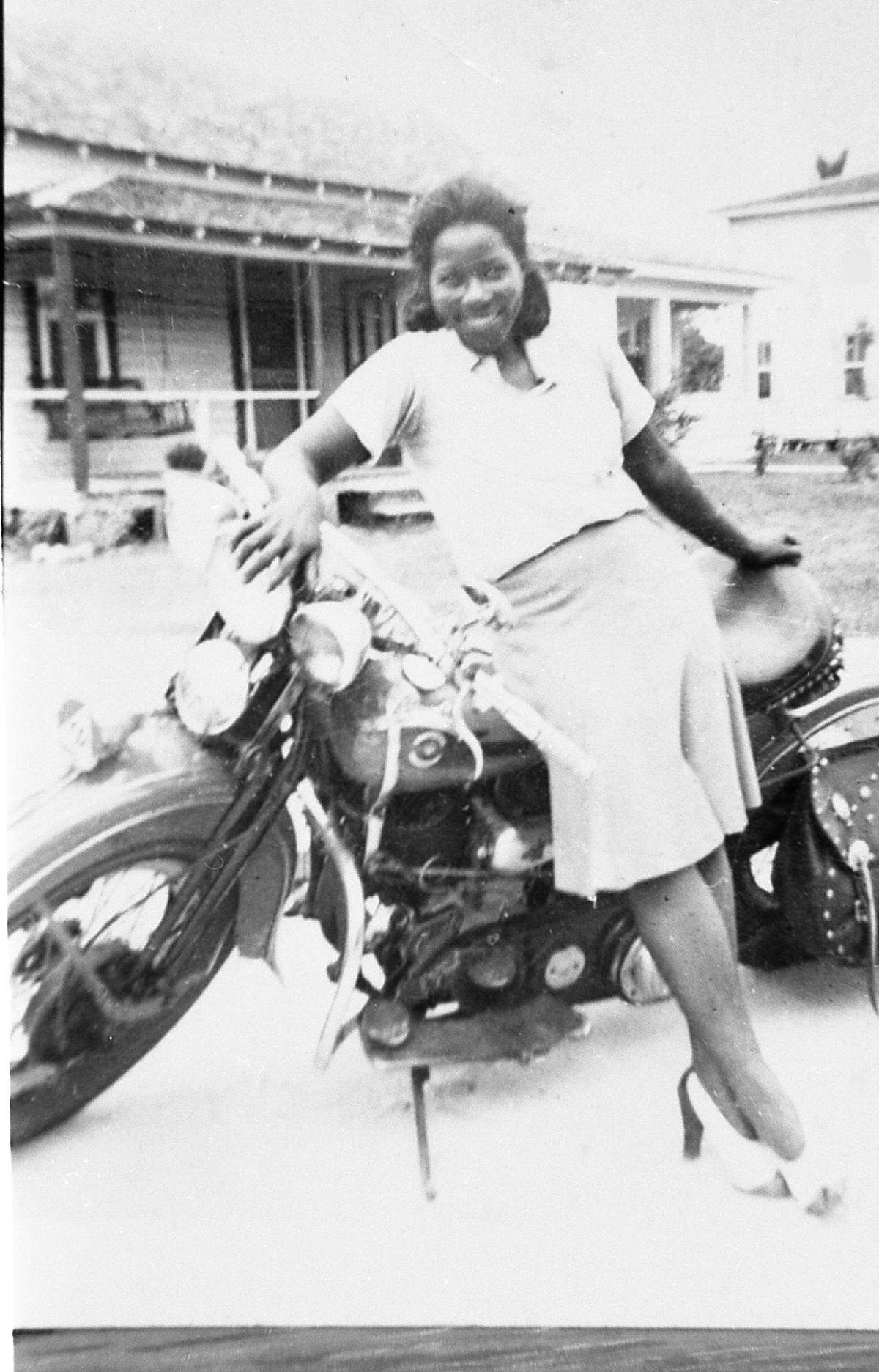
It would be a precursor to how Stringfield navigated a sexist and racist world as a solo woman motorcyclist, including a time when Stringfield made a stop at a gas station to use the restroom, but was run off her bike by a white man in a truck.
Still, she remained undeterred, often finding any way around injustices like the times when she would dress as a man to participate in motorcycle races to avoid being denied the prize money (at that time women riders were not paid).
“Ain’t no job a man’s job if a woman wants to do it. Women drive buses, women drive trucks. So what’s the difference with a motorcycle?,” Stringfield said.
South Florida and Bessie’s legacy
Her impact on South Florida is captured in the documentary, which features Miami Herald reporter Bea Hines. Hines wrote a feature on Stringfield’s legacy and recalled when she first saw her at the Orange Blossom Parade in Overtown in 1947.
“Bessie stood out. I had never seen a woman riding a motorcycle to lead the parade, her bushy hair flying under her helmet. She was the only woman in a group of about seven bikers. I watched in awe,” Hines wrote in a 2019 column.
Hines described Stringfield as having a “young spirit” and hopes people glean from it her resilience.
“She went through a lot, and she was she was unafraid at a time when Black women were not riding motorcycles, and especially not riding across the country by herself, sleeping at homes of people who would open their doors to her,” Hines told the Herald, adding that Stringfield didn’t let her race or gender deter her.
Stringfield’s impact on other women is also explored in the film which features Tameka Singleton, a Black woman motorcyclist who founded the Bessie Stringfield All Female Ride.
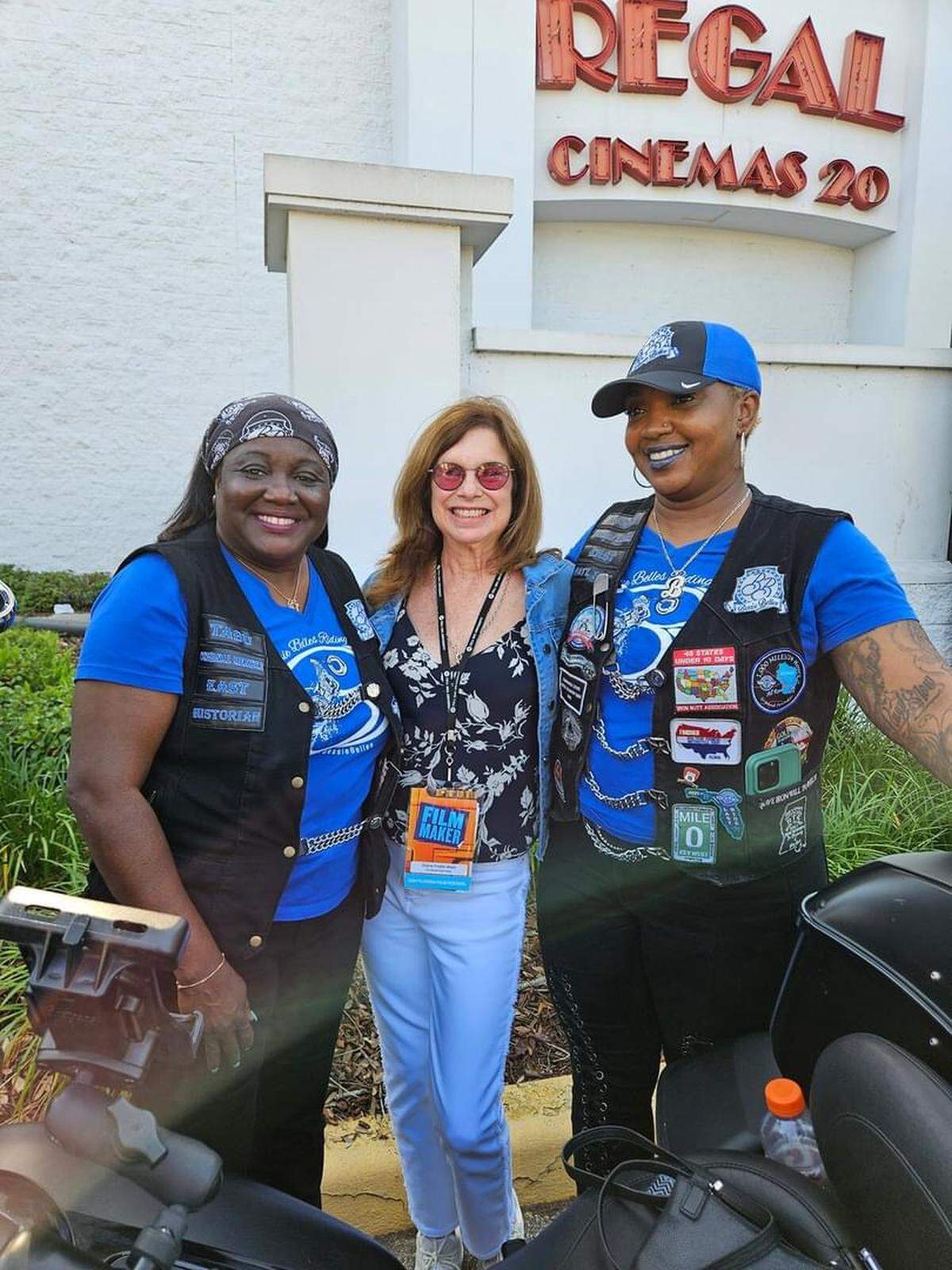
Singleton said she learned about Stringfield years ago through a mechanic who suggested she and her all-women riding group travel cross country like Stringfield had decades before.
The Bessie Stringfield All Female Ride, as it was later known, began in 2014 and ended with their final 2021 ride from Daytona to Key West.
“We were definitely inspired and moved by her courage, and who she was—never letting anybody stop what she was going to do,” Singleton said.
“In reality, she shouldn’t have been riding a motorcycle at all, definitely not a Harley Davidson,” Singleton said, “and then traveling by herself and doing the things that she had done. So I’m always inspired by her.”
The film has been a hit at various film festivals, including Miami’s Urban Film Festival where it was the Local Documentary Film winner. The film has won four other awards, including Special Jury Award at the Amdocs Film Festival and First Place Nonfiction in the International Short Film Festival category at the USA Film Festival.
Weis is hoping it will be shortlisted for Best Short Film Documentary at the Oscars and said there are plans to eventually turn Stringfield’s life into a feature film.
But she’s ultimately hoping Stringfield’s story is known to a wider audience.
“I’m inspired by her. I don’t ride a motorcycle. I have challenges in my life, like everybody does, but look at how much (hardship) she overcame to keep on going to pursue her dreams,” Weis said. “I just think it’s a really important message. Her story’s inspiring not just to people who ride motorcycles, but I think, to anybody that is pursuing anything.”
Singleton echoed those sentiments, saying she hopes people learn to embody Stringfield’s refusal to confine herself to other people’s limited idea of her. She took risks, she lived by her own rules and she didn’t ask anyone for permission.
That same boldness inspired Singleton to continue with a ride out of Texas in 2017 during a hurricane. Contemplating canceling it, Singleton said her friend asked, “What would Bessie do?”
“She’d ride,” Singleton told them. And they did.
This story was originally published December 12, 2024 at 4:07 PM.