
Bill Murray learns how to relax
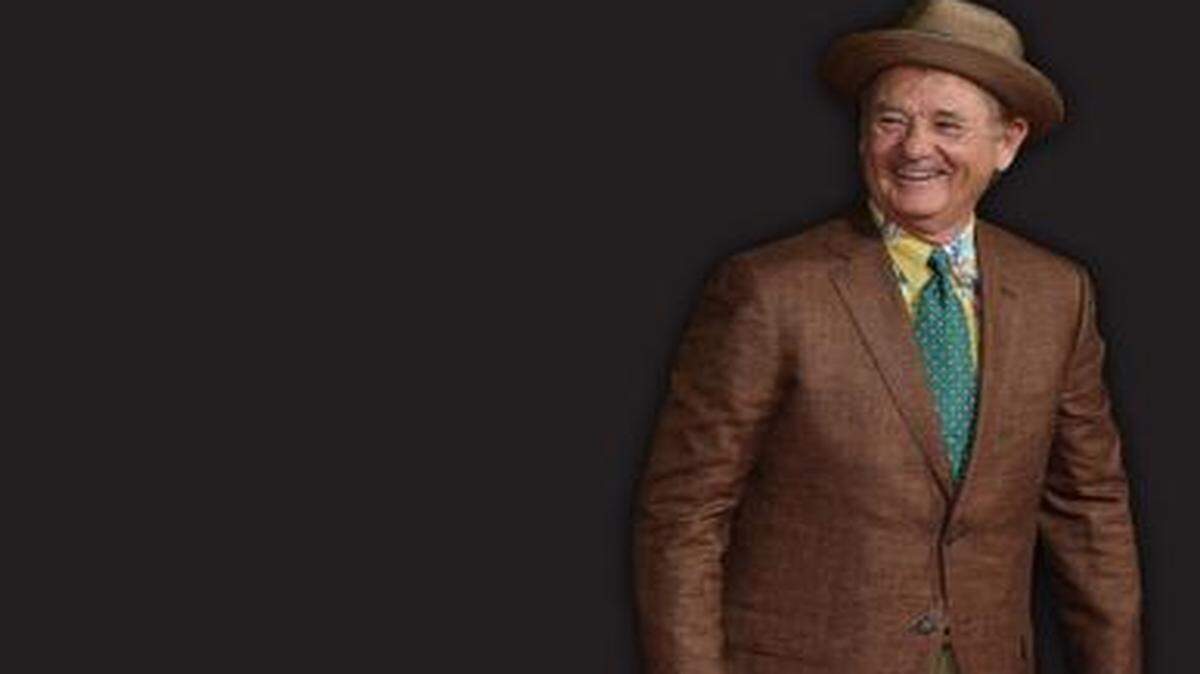
Sitting through the premiere of his latest film, St. Vincent, Bill Murray was unexpectedly moved.
“I thought, ‘Well, I better not be crying when the lights come up,’” Murray recalled in an interview shortly after the film’s Toronto Film Festival debut. “That would be bad for my image.”
His image — deadpan and dry, but always game, ever-adventurous — has swelled over the years. Directors seeking his services must leave a message on an 800 number that he checks infrequently and pray for a response. He signed up for Garfield because he thought the Coen brothers were involved, mistaking the name of screenwriter Joel Cohen. And who hasn’t heard of some serendipitous encounter with Murray — a drop in at a bachelor party, a cameo at karaoke?
These are the stories that have built the Myth of Bill, one that’s so satisfying because of its authenticity.
St. Vincent, in theaters, is his most challenging part in years. It’s a technically demanding role that includes a coarse Brooklyn accent and portraying the aftermath of a stroke. He gruffly but tenderly mentors a shy boy next door (Jaeden Lieberher, whose mother is played by Melissa McCarthy).
Murray talked about his work with the Associated Press.
This might be your biggest part since Jim Jarmusch’s “Broken Flowers” in 2005.
It is ambitious, and it is larger. I’ve just been taking the jobs I like. I haven’t had any kind of a plan, really. It really was a big, leading part. I thought to myself, “God, I haven’t had to be the leading part in a while.”
Playing a stroke victim rehabbing with slurred speech sounds like a scary prospect.
I hate that not-having-your-faculties acting. That’s like acting school. I don’t want to go to acting school, ever. That was like doing ordinals or cleaning paint with a small razor blade. It’s the worst kind of work. Deep cleaning. And, yet, I didn’t have a stroke. Life could be worse. I’m not complaining. I could be the guy with the stroke.
This film could have easily slid into sentimentality, something you’ve made a career out of avoiding.
Sentimentality to me is a symbol that we’ve left the planet. OK, bye-bye. Let me know when you come back because you’re no longer here. You just left. It reminds of being at a funeral, like my dad dies and the grief is just overpowering. And all anyone can say to you is, “Well, he’s probably up there in heaven, bowling with Uncle George.” It’s like, “Yeah, that’s probably it. He’s up there bowling with Uncle George.” He’s dead. He’s gone. What am I going to do? Talk to ME. Don’t make up your own dreamscape.
You’ve long avoided separating yourself from the public.
Most people are fine. The percentages are the same as they are in your life, the people you meet. The range of experience is the same for all of us, I think.
Why don’t you surround yourself with the kind of representatives most celebrities have?
From the first time I was ever given a bodyguard, I thought, “Oh my God, I’m going to be assassinated.” It made me think I was going to be shot. So I never liked it. I never liked the sensation of it.
Harvey Weinstein will surely push you for an Academy Award nomination for this.
That’s what Harvey does. But that running after prizes stuff, I was involved in that once before. It’s like a low-grade virus. It’s an infection when you really campaign for it. But it’s fun to win the prize because you get the chance to get up on stage and be funny.
You seem to still enjoy that.
Like shooting fish in a barrel. You can do things with a few hundred people. You can really mess around. You can shock a lot of people at once. You have an incredible liberty to avoid everything that’s expected of a man at a microphone.
This story was originally published October 17, 2014 at 3:41 PM with the headline "Bill Murray learns how to relax."