
Writers group anthology will be a ‘creative footprint’ left on the moon
Next summer, the works of South Florida Writers Association poets, artists and writers, including this reporter, will be placed on the surface of the moon.
They are part of the Lunar Codex, a vast multimedia collection that is digitized and miniaturized. It includes contemporary art, poetry, music, film, podcasts, and books by more than 35,000 creators from 263 countries, territories, and Indigenous nations.
The local book selected for inclusion is called “Sea of Tranquility: A Literary Anthology,” and it was created and published by SFWA. Its theme is reflections on the moon through essays, poems, and visual art.
The launch for the 2026 Lunar Codex Polaris archive will take place at Launch Complex 39A on a Falcon Heavy rocket from Kennedy Space Center. It is part of Astrobotic’s Griffin Mission One lunar lander mission, with a planned landing at the Nobile Crater at the lunar South Pole.
The mission will deliver scientific, technological and cultural payloads to the surface.
The Lunar Codex is the vision of Samuel Peralta, a semi-retired Canadian physicist and author, who calls the project “a time capsule of human creativity stored in the sky.”
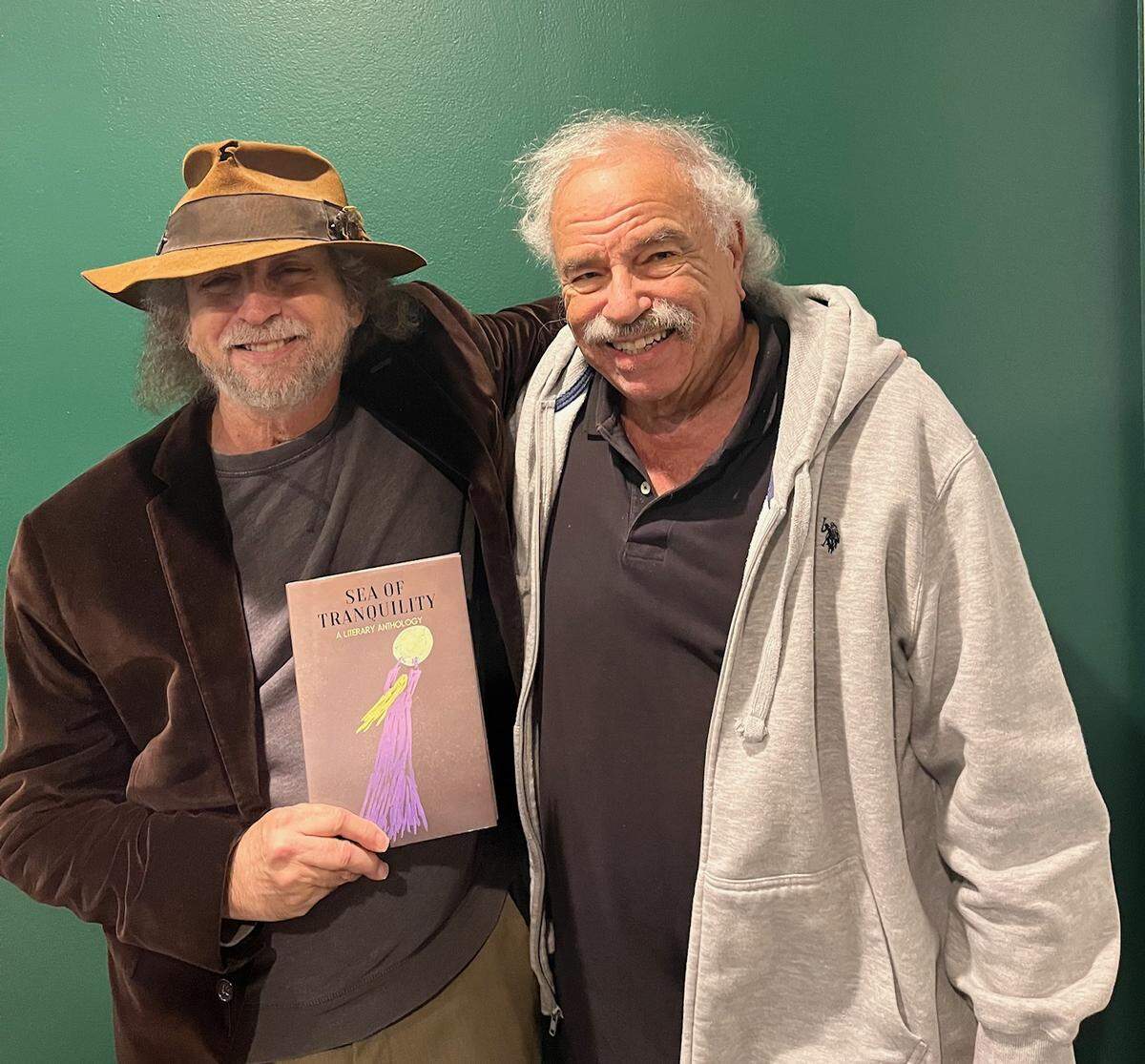
Poet Howard Camner, SFWA member and co-editor of “Sea of Tranquility,” emphasized the uniqueness of the project.
“The Lunar Codex is a one-of-a-kind phenomenon — there has never been anything like it. These works, from every corner of Earth, are embarking on a 238,900-mile journey to the moon, where they will remain as a permanent footprint: a gifted archive from our planet,” Camner said.
“For the artists, it’s a form of immortality. At a time of great division here on Earth, it is the artists who rise above, unify and make the impossible happen,” he said.
Mort Laitner, co-editor and past SFWA president, said the local writers are truly making history.
“The words of the poets and short-story writers in “Sea of Tranquility” are etched not just in print, but in time — secured on a disc, launched into space, and preserved on the moon. This is literary immortality.
“The anthology’s inclusion in the Lunar Codex marks an extraordinary milestone for both SFWA and South Florida’s literary community. If successful, the launch will ensure that SFWA’s creative footprint rests on the moon — an enduring symbol of human imagination,” Laitner said.
Said Lunar Codex visionary Peralta: “Our hope is that future travelers who find these time capsules will discover some of the richness of our world today. It speaks to the idea that, despite wars and pandemics and climate upheaval, humankind found time to dream, time to create art.”

“Sea of Tranquility: A Literary Anthology” will be available at the SFWA booths at the Miami Book Fair’s Street Festival, Nov. 21-23 in downtown Miami.
Many of the group’s authors will be in attendance to talk about, sell and sign their books for fairgoers. There will also be information about SFWA and how to become a member.
More at southfloridawriters.org and www.lunarcodex.com/ And visit www.miamibookfair.com/ for Miami Book Fair event schedules.
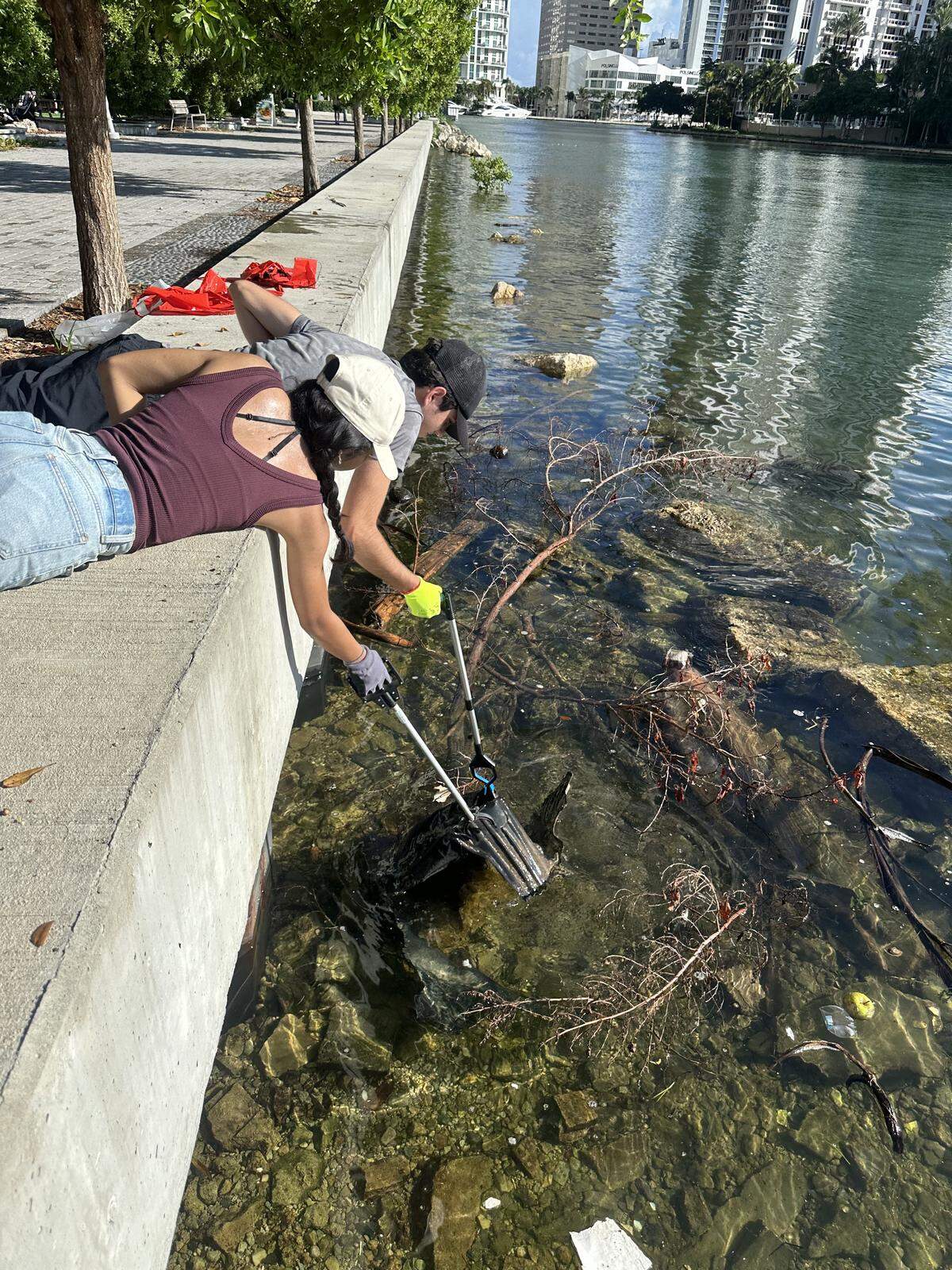
VOLUNTEERS REMOVE 13 TONS OF TRASH
Our planet would be so much nicer if humans would just throw away trash correctly. I’ve been on this mission since Woodsy Owl told us decades ago to “Give a hoot. Don’t pollute.”
So, thank goodness for the 3,000-plus volunteers who gathered in September at 68 cleanups from Oleta Park in the north to Homestead Bayfront Park in the south.
They removed 26,000 pounds — 13 tons! — of trash and debris from our shorelines and neighborhoods.
It was part of Ocean Conservancy’s 40th International Coastal Cleanup. Miami’s VolunteerCleanup.org organized the local effort, partnering with nonprofits, community groups and local leaders.
Miami Cleanup 2025 also marked the debut of “Trashathon,” a new fundraising platform from the founders of VolunteerCleanup.org. Trashathons are like classic fundraisers, only volunteers collect per-pound pledges for the trash they remove to turn it into cash, and action into impact, to raise funds for local projects.
The inaugural effort raised $13,256 for 16 local nonprofits, including VolunteerCleanup.org. The program is open to any group seeking to raise funds for their initiatives.
“A Trashathon fundraiser is a win-win-win for everyone. Every event leaves a park, beach or neighborhood cleaner, providing hands-on environmental education for volunteers and donors alike, along with tangible results for the groups and projects the funds support,” said Dara Schoenwald, executive director of VolunteerCleanup.org
“With funding gaps growing, we wanted to give schools, nonprofits and community groups a way to raise money while strengthening neighborhoods,” said Dave Doebler, co-founder of VolunteerCleanup.org
“Trashathons aren’t just about picking up litter — they’re about rolling up your sleeves, taking pride in your community and working together toward a cleaner, healthier future. It’s real service with real impact, and that sense of ownership is something that stays with people long after the event ends,” he said.
Visit www.trashathon.org/ to learn about setting one up for your school’s or club’s next fundraiser.
Cleanup volunteers also help by contributing to the world’s largest database on marine debris. By logging the trash they collect in Ocean Conservancy’s Clean Swell app, they inform scientists, conservation groups, governments and industry leaders about ocean trash and plastic pollution prevention.
Ocean litter harms marine environments and wildlife everywhere. Plastic debris has been documented as harming nearly 700 species. Every year, an estimated 8 million metric tons of plastic waste flows into the ocean and into our food. Give a hoot.
Write to ChristinaMMayo@gmail.com with news for this column.