
He worked at Miami’s favorite bookstore. Now he’s appearing at the book fair
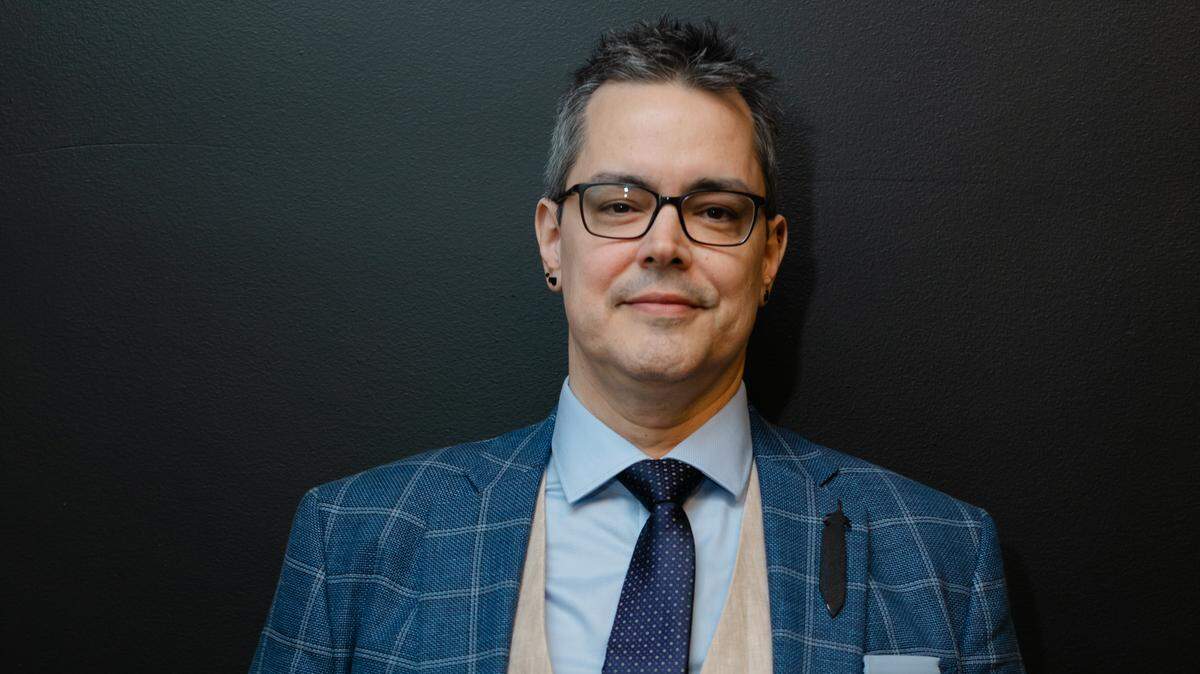
Ten years ago, when he was writing his novel “Old School Indian,” Aaron Curtis was working hard to detach himself from Abe, his main character. A buyer at Books & Books in Coral Gables, Curtis wanted to write fiction, not a memoir, and so his story about a 40-something Miami bookseller grappling with a mysterious health threat who reconnects with his Native family felt a little too close to the truth.
“I got caught up in the idea that fiction couldn’t be anything from real life, so I was trying to distance myself,” says Curtis, a member of the Saint Regis Mohawk Tribe who was struggling to get a diagnosis for what would turn out to be a serious autoimmune disorder. “I set the story in Tampa instead of Miami. I made him single instead of married. I had him selling insurance instead of books.”
Curtis, who will talk about his work at the Miami Book Fair, which runs Nov. 16-23 at Miami Dade College’s Wolfson campus, kept trying to minimize the similarities. Abe, for example, suffers from systemic necrotizing periarteritis, a disease that doesn’t exist, while Curtis was eventually diagnosed with polyarteritis nodosa, which does (he’s now in remission).
Then his colleague Cristina Nosti, the director of events and marketing at Books & Books, read the novella and offered some advice.
“She said, ‘You’re limiting yourself,’ ” Curtis says. “She said, ‘Set it in Miami and marry him off. It will work.’ ”
‘I was scared of dying’
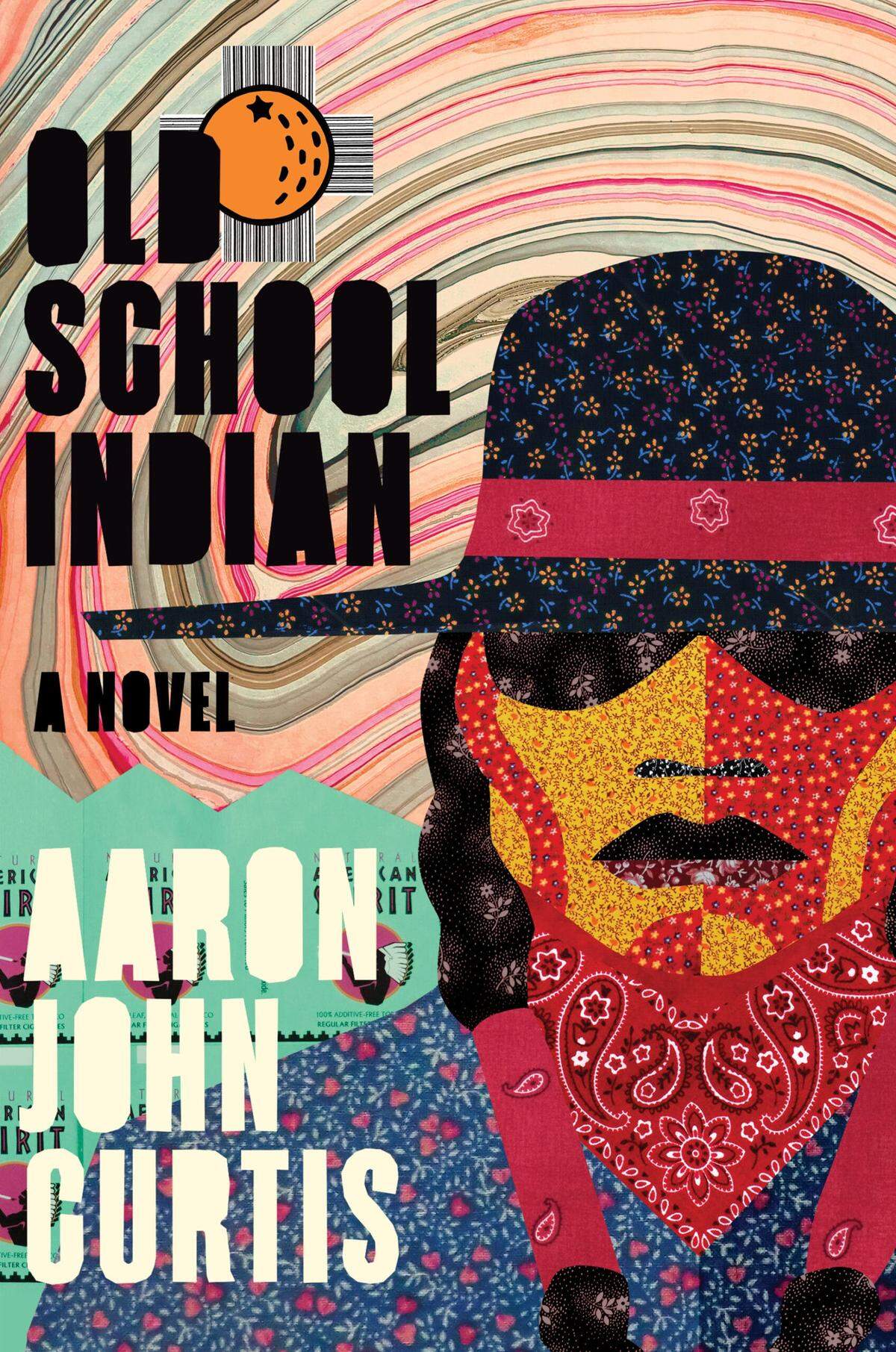
Nosti was right. In the warm, funny, moving “Old School Indian” (Hillman Grad Books, $28) Curtis manages to turn his autobiographical story into fictional gold. Abe’s journey from sweaty Miami party nights and a crumbling marriage to a deeper understanding of his Ahkwesáhsne roots is a story of faith and healing, but also a nod to the importance of doing what you want to do with your life before it’s too late.
The story is told not only from Abe’s point of view as he awaits his Uncle Budge’s healing sessions but also that of Dominick Deer Woods, Abe’s alter ego, the agent who unleashes Abe’s creativity and imagination and fires them into poetry.
He also gets all the laughs, offering a lesson in how to pronounce Mohawk words and assuring the wary that “If you find ‘Indian’ jarring the first time you come across it, please keep going. I promise we’ll gut that particular fish later.” He writes haunting poems entitled “Points Deducted for Genocide” and “All the Real Natives Died and Tinder Resurrected Them” and “This One Goes Out to All the Colonizers,” the tart and amusing titles belying their pointed history lessons and power.
Curtis says he used Dominick to infuse the book with much-needed humor.
“I was scared of dying,” he says bluntly. “I was angry. I had been writing for 10 years and hadn’t had anything published. I was full of anger and fear and all of that was in the first draft. I was kind of hostile toward an imagined white reader who hadn’t been listening to me. Abe was infused with my fear and bitterness and stuckness, and I needed Dominick to bring a light touch.”
Miami support
Curtis was also influenced and aided by the support of his Miami writing group, which included South Florida novelist Diana Abu-Jaber (”Silverworld,” “Fencing with the King”), playwright Jake Cline (”Jenna & the Whale” with Vanessa Garcia) and former Miami Herald columnist Ana Veciana-Suarez (”Dulcinea”).
Veciana-Suarez said that she has long been impressed with Curtis’ tenacity and talent.
“He’s a wonderful writer, to begin with, but the subject matter was so good,” she said. “This young Native man returning home in illness, that premise was something I got really curious about. That’s the most important thing as a writer: Make your readers curious and entertain them. You have to keep the reader reading, and I think Aaron did that.”
Mitchell Kaplan, owner of Books & Books and co-founder of Miami Book Fair, said his team was delighted by the success of “Old School Indian.”
“We at Books & Books could not be more thrilled with his success,” he said. “He’s one of our own. It could not have been a better first novel. It’s beautifully done, and there’s a lesson here for writers of all kinds about perseverance and working hard.”
‘Readers are interested in these stories’
Writing and publishing “Old School Indian” has, not surprisingly, kept Curtis’ family history at the front of his mind. He thinks of his artist uncle Alex Karoniaktatie Jacobs, who provided the art for the book’s cover image. He thinks of his mother, born and raised on the Mohawk Nation at Akwesasne, which straddles international borders and provincial boundaries on both banks of the St. Lawrence River between New York and Ontario.
He thinks of her marrying his white father in 1965, two years before the Supreme Court decision Loving v. Virginia that declared state laws prohibiting interracial marriage unconstitutional.
“It was a very different time,” he muses now, adding that his grandmother “was adamant that her daughters marry white and assimilate. There were photos of my dad wearing a headdress; he was adopted into the tribe ceremonially.”
Such musings remind him that there are so many Native stories to tell, stories told by novelists like Louise Erdrich and poets like Joy Harjo. The recent rise of interest in popular Native novelists like Tommy Orange, Morgan Talty and Stephen Graham Jones, who will also appear at the fair, has also created opportunities for more diverse storytelling.
“I think it was Tommy Orange who kicked down a lot of doors for us,” Curtis says. “ ‘There, There’ was a beautiful, amazing book. And it was a hit, and this is what publishers want. It has helped diversify publishing, especially voices in poetry and horror. I really think that’s the reason we’re seeing so many diverse voices. There are so many tribes, and there are a lot more to draw from. Readers are interested in these stories.”
Miami Book Fair
When: Nov. 16-23
Where: Miami Dade College Wolfson campus, 300 NE Second Ave., Miami
Tickets for street fair Nov. 22-23: $12 for adults; $7 for seniors (over 62); $5 teens (13-18); 12 and under free
Aaron Curtis: Appears with Rob Franklin (”Great Black Hope”) and Jacinda Townsend (”Trigger Warning”) at 12:30 p.m. Saturday Nov. 22 in room 8202, building 8, second floor
More information and full schedule: miamibookfair.com