
Across Miami, poetry finds new ways to be seen and heard this April
In April, poetry in South Florida does not stay confined to books or stages. It shows up across the region, sometimes planned, sometimes encountered unexpectedly, in places where people are already moving through their day.
Organized by O, Miami, the annual Poetry Festival returns for its 15th year with more than 50 projects spread across Miami-Dade and Broward counties.
“We aim to reach everybody in Miami during April with a poem,” said Melody Santiago Cummings, the organization’s executive director. “We bring poetry to where people are.”
That approach has defined O, Miami since its founding in 2011, expanding where poetry belongs and how people come across it. Instead of asking audiences to seek it out, the festival places poems into everyday life — on sidewalks, inside buses, across walls and storefronts, or in moments that catch someone by surprise.
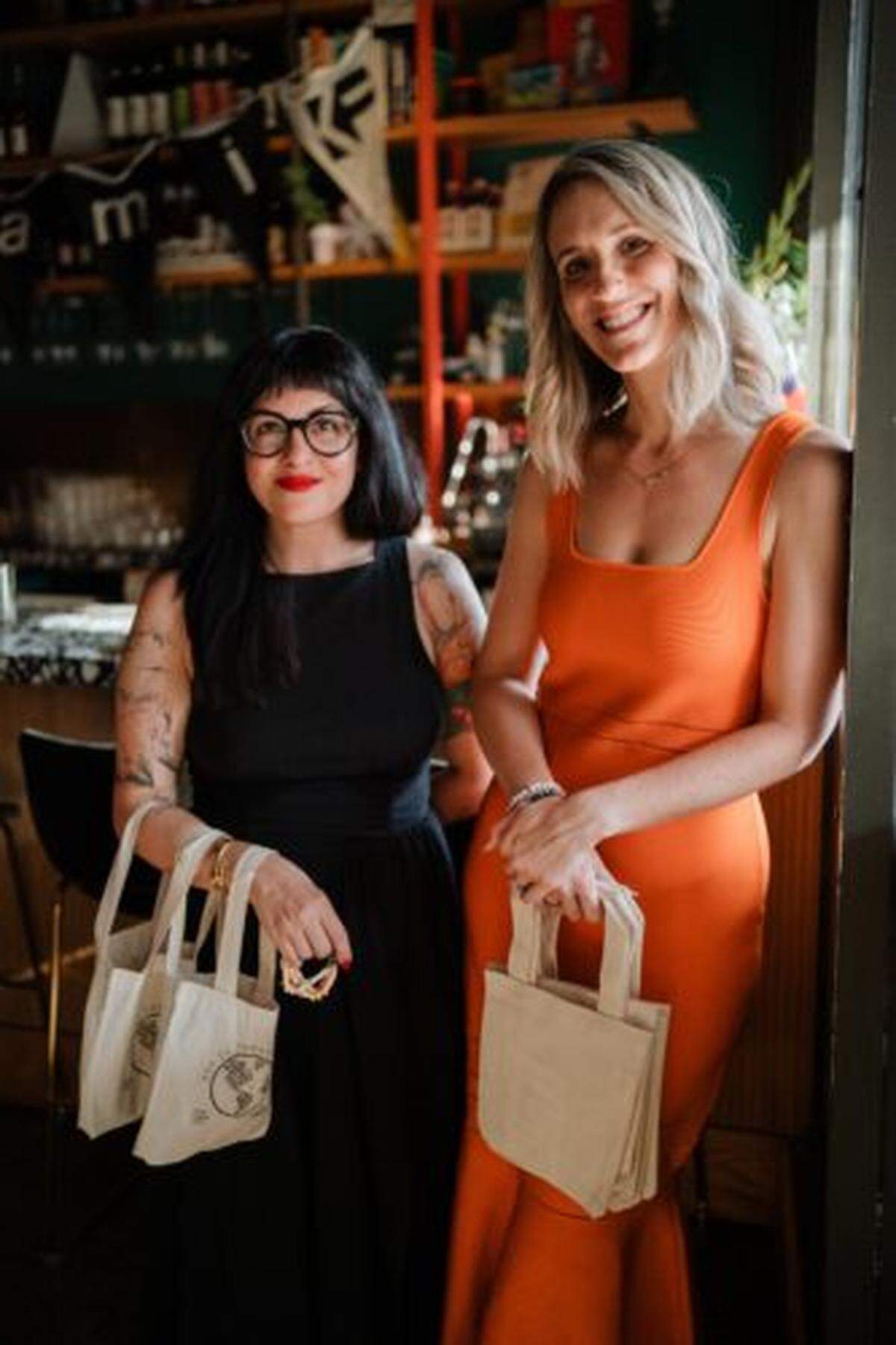
For Caroline Cabrera, a poet and writer who serves as O, Miami’s artistic director, that shift changes not just where poetry appears, but how it connects.
“Poetry becomes a living thing,” she said, “a way for people to connect.”
“When people stumble upon a poem, they get to experience it without all those barriers,” Cabrera said. “A lot of people think they don’t understand poetry. But when they encounter it unexpectedly, they can just engage with the language.”
“I’m always surprised by how willing people are to be vulnerable when they’re invited to write,” she added. “That’s the part that stays with me.”
Some of that work now extends into other formats. One of this year’s projects, “Read By Miami,” brings poetry to film, pairing local poets with locations across Miami-Dade County.
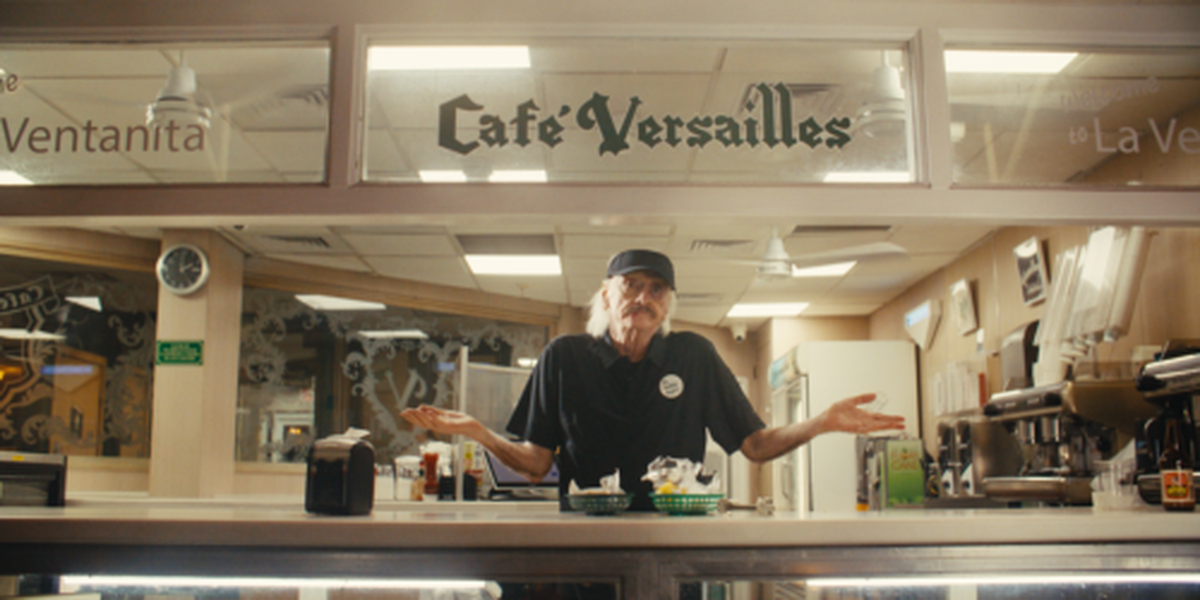
“’Read By Miami’ is a series of films showcasing poets and poems rooted in Miami,” said Yaddyra Peralta, O, Miami’s director of civic publishing.
“Film is the right format because you get to see and hear the people behind the words,” she said.
For Cuban American filmmaker Eric Felipe-Barkin, the city itself becomes part of the work.
“Miami-Dade is the thread that ties everything together,” he said. “It becomes a character in every film.”
But poetry in April is not limited to O, Miami’s programming. Across the city, other stages and platforms take on that same impulse — to give voice to personal stories and shared experiences.
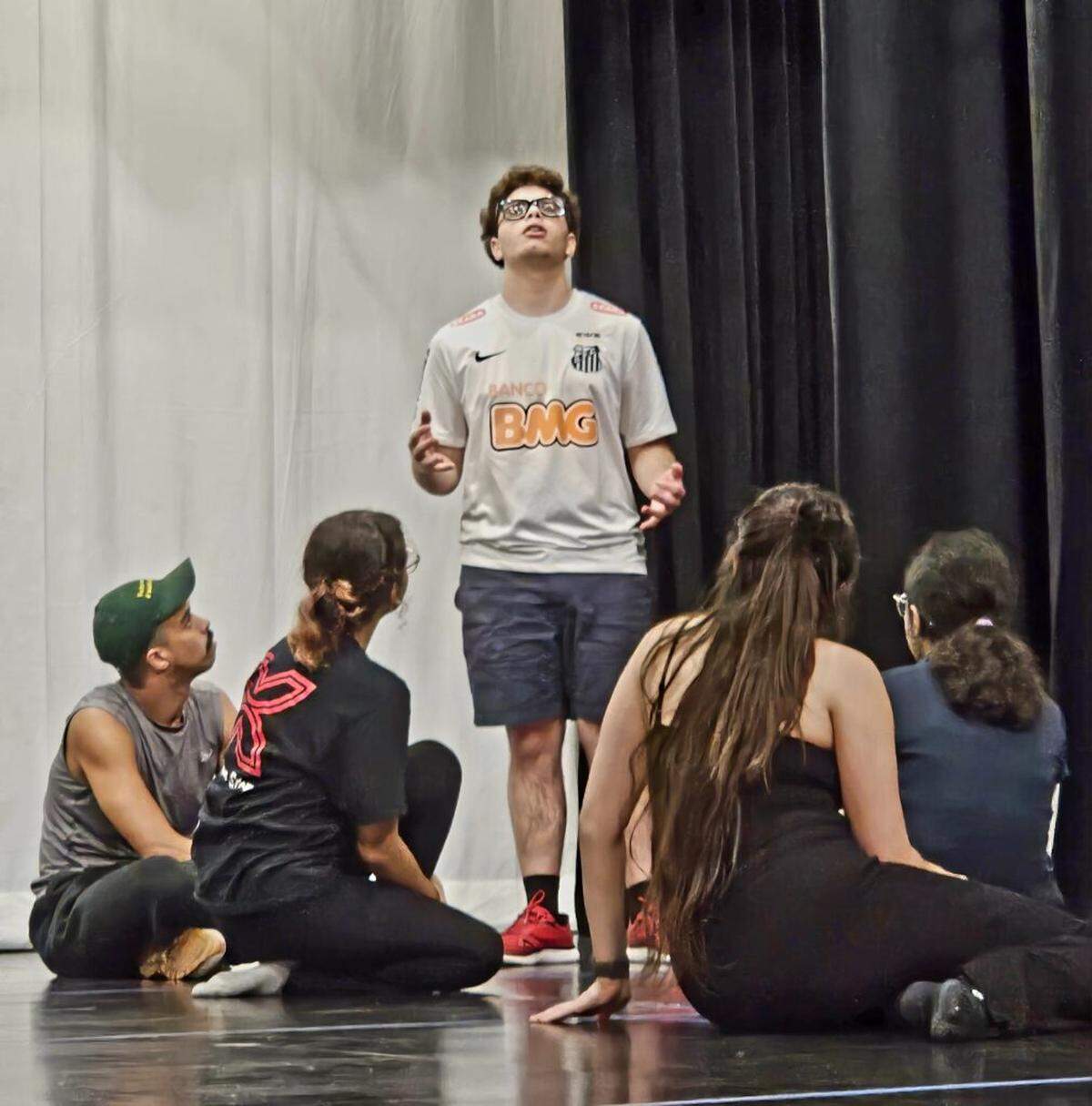
For 15-year-old Kaleb Duarte, a finalist in this year’s Piano Slam exploring the theme “Searching for Home,” the poem begins in Spanish, with a memory of scarcity.
“I am a boy who lived en la pobreza / sin electricidad ni agua,” he writes.
An eighth grader at South Miami Middle School, Kaleb recently immigrated from Cuba. His poem moves between Spanish and English, tracing the distance between where he began and where he is now.
“The most important part for me was being away from my father for so many years and wanting to be with him again,” he said. “But it was also very hard to leave the place where I grew up.”
Later in the poem, the tone shifts.
“Mi vida cambió … thankful for the beauty, the opportunity to have a new home.”
For Kaleb, writing the poem was only part of the process.
“It’s been complicated,” he said. “I’ve been practicing every day. Writing it is one thing, but performing it in front of people is different.”
The challenge is not just the words, but how to carry them.
“The hardest part is the expressions,” he said. “I’m not someone who shows a lot of emotion. I’m more shy.”
His coach, John Acevedo, sees that hesitation as part of the work.
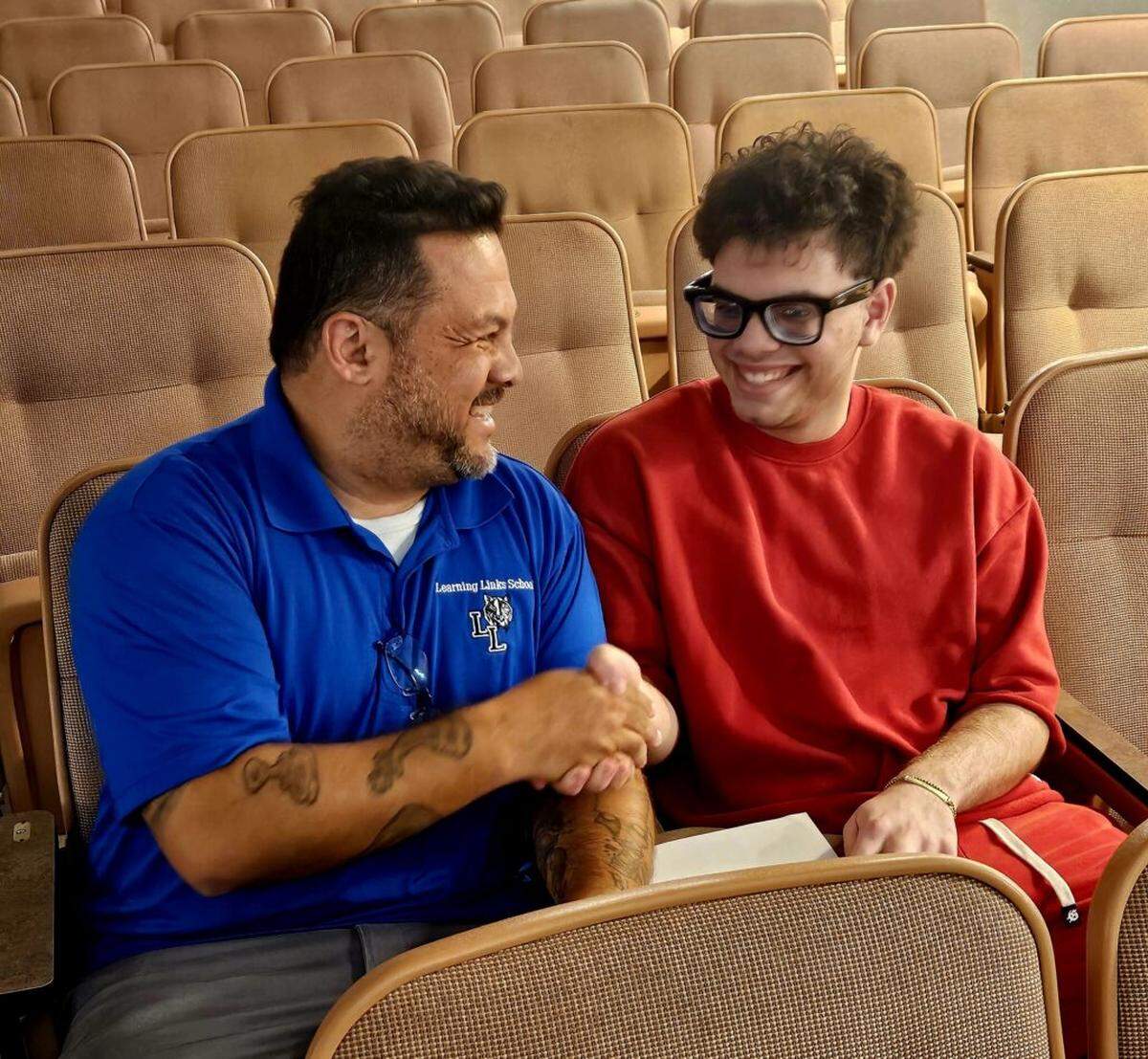
“I told him, don’t just read the poem — tell them what you went through,” Acevedo said.
When he first heard Kaleb’s poem, it was the reality behind it that stood out.
“You don’t hear many middle schoolers talk about living without electricity or water,” he said. “That’s something even a lot of adults here wouldn’t understand.”
“For him, getting clean water meant waiting for the rain,” Acevedo added.
Helping students translate that kind of experience into performance starts with something simple.
“The first thing I do is build a connection,” he said. “I don’t start with the poem. I start with why they wrote it.”
From there, the focus shifts to intention.
“I ask them: who are you telling this story to?” he said. “Because if you believe it, the audience will believe it.”
Kaleb wrote his poem with someone specific in mind.
“When he told me he wrote it for his father, that changed everything,” Acevedo said. “Now it’s not just words — it’s something he needs to say.”
Kaleb is one of the finalists in this year’s Piano Slam, returning Saturday, April 18, to the Adrienne Arsht Center.
Presented by Dranoff 2 Piano Fusion, the event brings together spoken word and live music, pairing young poets with professional musicians in a performance that blends classical, jazz and contemporary sounds.
This year’s theme, “Searching for Home,” invites students to explore identity, belonging and memory, inspired by the creative journey of Cuban American poet Richard Blanco, a presidential inaugural poet.
Since its launch in 2007, Piano Slam has given middle and high school students across Miami-Dade County a space to develop their writing and bring it to the stage.
“Piano Slam is an outlet,” Acevedo said. “It gives a voice to students who might not have one anywhere else.”
“A lot of these kids feel like nobody listens to them,” he added. “This gives them someone who will.”
Finalists, selected from more than 700 students, will perform after weeks of rehearsals, competing for prizes of up to $1,000.
Kaleb did not expect to be one of them.
“I never thought I would be here,” he said. “This is a unique experience.”
Across its different forms — film, performance, installation and everyday encounters — poetry in Miami continues to take shape in ways that reflect the city itself: layered, personal and constantly evolving.
“Writing is a way for me to let things out,” Kaleb said. “It helps me say things I don’t feel comfortable telling other people.”
Don’t Miss O, Miami Festival Highlights
Poetry Readings Across South Florida: Featuring local writers alongside nationally recognized poets including P. Scott Cunningham, Cecily Parks and Gabrielle Calvocoressi. Various dates and locations. Free.
“Read By Miami” Film Series Premiere: A series of short films showcasing Miami poets, pairing poetry with locations across the county. Wednesday, April 16, The Bass Museum, 2100 Collins Ave., Miami Beach. Free.
Paws in the Park: A dog-friendly event with performances, activations and a screening of “Best in Show.” Sunday, April 26, Miami Beach. Free.
ZipOdes Finale: A closing celebration of Miami’s homegrown poetic form, presented with WLRN. Wednesday, April 29, Vizcaya Museum & Gardens, 3251 S Miami Ave., Miami.
WHAT: O, Miami Poetry Festival (15th Anniversary) WHEN: Through Thursday, April 30. For a complete program guide, visit omiami.org WHERE: Various locations across Miami-Dade County and Broward COST: Many events are free; some ticketed events vary INFORMATION: omiami.org
WHAT: Piano Slam 2026 Young poets perform original work alongside live piano in a music-poetry mashup inspired by the theme “Searching for Home.” WHEN: 7 p.m. Saturday, April 18. WHERE: Adrienne Arsht Center, 1300 Biscayne Blvd., Miami. COST: Free (passes required). INFORMATION: arshtcenter.org
ArtburstMiami.com is a nonprofit media source for the arts featuring fresh and original stories by writers dedicated to theater, dance, visual arts, film, music and more. Don’t miss a story at www.artburstmiami.com.