Netflix's ‘Beef’ Season 2 Turns the Gen Z vs. Millennial Divide Into Must-Watch Drama
The argument that sparked Beef Season 2 wasn’t really about the couple at the center of it — it was about the people watching from the outside.
When creator Lee Sung Jin overheard a heated fight between partners in their home, the moment itself stuck with him. But what stayed longer were the reactions when he later told others about it.
Those responses split cleanly along generational lines. Younger listeners interpreted the exchange as a potential case of domestic violence. Older ones dismissed it as a typical relationship blowup.
That divide became the foundation for the new season of Netflix’s dark comedy.
“I think what inspired me was not the actual incident, but hearing people’s reactions to it,” Lee said in an interview with Reuters published April 14.
That gap in perception — how the exact same moment can feel alarming to one group and routine to another — sits at the center of Beef Season 2. It’s an uncomfortable, hyper-specific tension, and it’s exactly what gives this installment its edge.
‘Beef’ Season 2 Leans Into Gen Z vs. Millennial Divide
At the heart of the story are Austin and Ashley, a Gen Z couple played by Charles Melton and Cailee Spaeny.
They work at a country club run by Josh, a millennial portrayed by Oscar Isaac, whose marriage to Lindsay (Carey Mulligan) is quietly coming apart. The two couples are linked both professionally and personally — and that overlap is where things start to unravel.
The inciting moment comes when Austin and Ashley witness a violent argument between Josh and Lindsay. From there, the fallout spreads quickly, spiraling into manipulation, resentment and power plays that ripple throughout the workplace.
Lee told Reuters he set out to contrast “different stages of love against one another.” But instead of leaning into a familiar generational setup, he pushed for something more precise.
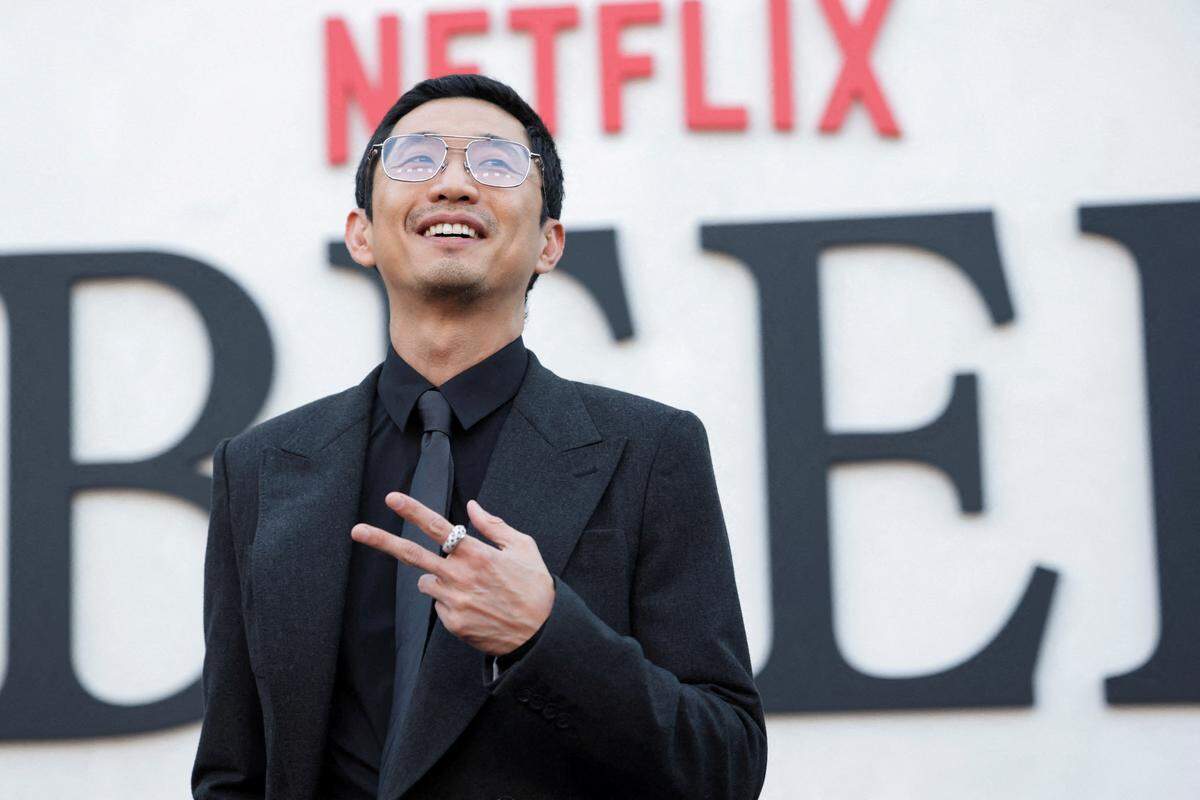
“Rather than a ‘boomer couple versus younger couple’ setup, which we’ve seen a lot before, we thought, what if we actually made them a little bit closer in age and highlighted the generational divide between the millennial couple and the Gen Z couple?” he said, according to Netflix’s Tudum.
That closeness is what makes the tension hit harder.
Gen Z — typically defined as those born between 1997 and 2012 — and millennials, born between 1981 and 1996, aren’t separated by decades. They exist side by side. But when it comes to relationships, authority and conflict, their interpretations can feel worlds apart.
How Does ‘Beef’ Season 1 Differ From Season 2?
The tone of the conflict has changed significantly from the first season.
Season 1 — which debuted all 10 episodes in April 2023 and went on to win multiple Golden Globe Awards — was rooted in a road-rage incident Lee experienced firsthand. The tension was immediate, loud and impossible to ignore.
Season 2 moves in the opposite direction.
“We changed the setting to a workplace because I wanted to explore the boss-employee dynamic more,” Lee told Netflix.
That change in environment brings a different kind of friction — one that’s less explosive but no less intense.
“Season 1’s beef is so overt and aggressive. I thought Season 2 should be the inverse: a passive-aggressive beef, which is more true to life, especially in a workplace,” he added, per Netflix’s Tudum.
Instead of confrontation out in the open, the tension builds through side comments, unspoken resentment and carefully controlled interactions — the kind that feels uncomfortably familiar to anyone who’s worked in a high-pressure environment.
‘Beef’ Season 2 Cast Felt That Divide Too
The actors leaned into the emotional complexity that comes with that kind of conflict.
For Melton, the experience of watching the show is almost intrusive in its intimacy.
“You feel like you’re inside the characters’ minds,” he told Reuters. “You either relate, judge, or think, ‘I’ve been there too.’ That’s what makes it such a juicy experience to watch.”
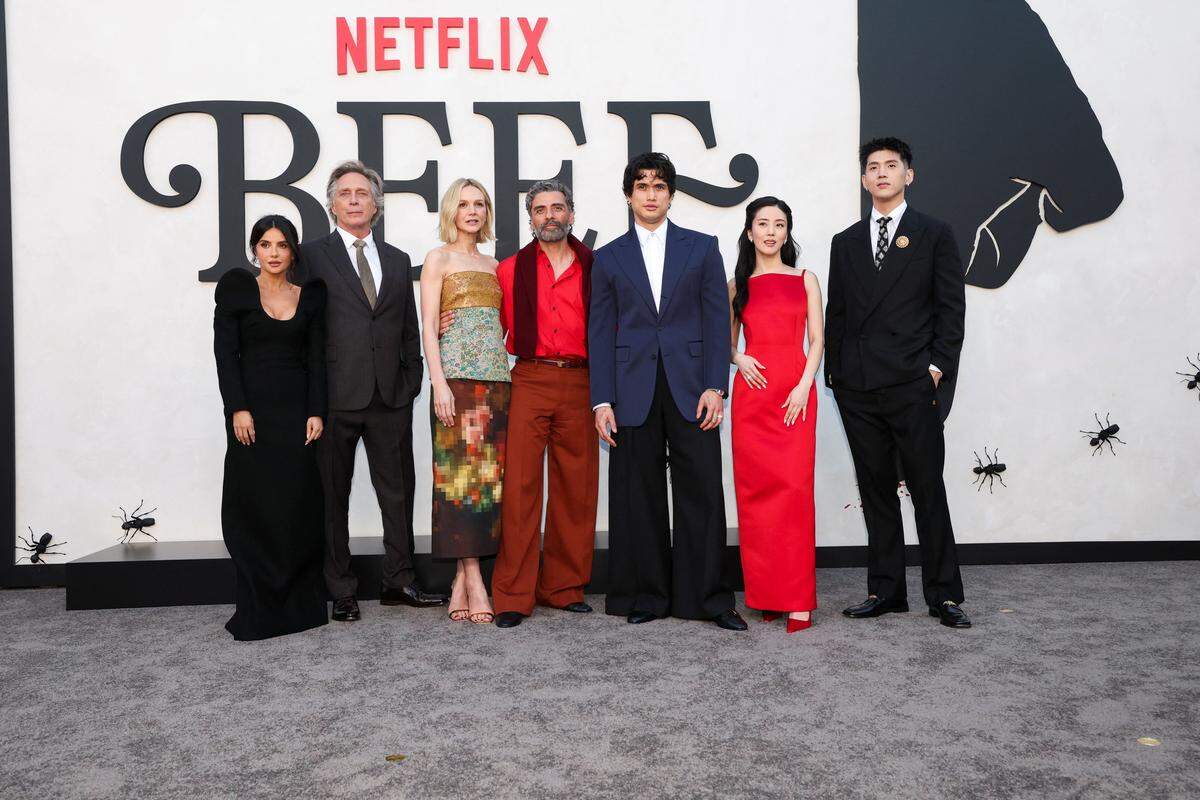
Isaac pointed to the sense of pressure that builds as the story unfolds.
“All these possibilities start to collapse,” he said. “It can feel claustrophobic, because we’re told anything is possible.” Ultimately, he added, “you have to let go.”
And for Mulligan, everything hinged on making the argument that sparks the season feel authentic.
“(The argument) needed to feel real — enough to be something that could be held over us,” she said. “Not just how it looked, but how it sounded and what we said to each other.”
How to Watch ‘Beef’ Season 2 on Netflix
All eight episodes of Beef Season 2 begin streaming on Netflix on April 16.
For viewers looking to dig deeper, BEEF: The Official Podcast will also release all four episodes the same day — offering a closer look at the themes and conversations the series is designed to spark.
This article was created by content specialists using various tools, including AI.