What’s it like to be Blondie? Debbie Harry reveals all in her new memoir

In her frank first memoir, “Face It,” Blondie lead singer and songwriter Deborah Harry reveals much of what you might expect — and a few things you don’t.
She writes about the sex (a lot). The drugs (also a lot). Being raped. Escaping serial killer Ted Bundy. That time when a coked-up David Bowie whipped out a prodigiously proportioned instrument backstage for Harry to check out — and it wasn’t his guitar.
Pulling forth all of these memories, a laughing Harry said in a phone interview from her New York home, was “kind of freaky — but I did learn a lot. There are really a lot more things to talk about, and I tried to sort of hit the strategic points, things that perhaps are experiences many of us share.”
Well, perhaps not the Bowie-styled meet and greet.
In the book, Harry, who appears at the Miami Book Fair Nov. 20, also details the rise and fall and rise again of Blondie, a band led by a woman when that phenomenon was still rare. “I was playing up the idea of being a very feminine woman while fronting a male rock band in a highly macho game,” she writes in “Face It.”
For awhile, the formula worked. Blondie’s four No. 1 singles included “Rapture,” the first song with a prominent hip-hop/rap section to top the pop charts in early 1981.
And then it didn’t work anymore. For her first solo album, “Koo Koo,” Harry and Blondie guitarist and then-lover Chris Stein chose Swiss sci-fi artist H.R. Giger, who was part of the design team for the movie, “Alien,” to do the LP cover: Harry’s face skewered by acupuncture needles. The cold, jarring funk music, produced by Chic’s Nile Rodgers, and the unsettling cover, proved too much of a departure from fans’ expectations.
But Harry is still game for exposure. For her multimedia presentation at the fair, which runs Nov. 17-24 at Miami Dade College’s Wolfson campus, Harry will be joined by Stein, her musical partner of 45 years and her co-songwriter on hits like “Heart of Glass,” “Dreaming” and “Rapture.”
“I always appreciate what he has to say. He’s a great writer,” Harry said.
Her creative director Rob Roth, who helped design “Face It” and Blondie stage shows since the “No Exit” reunion tour in 1998, moderates the Book Fair’s“Evening With” event.
A conversational tone
Like her memoir’s writing style, the book fair presentation will be very “conversational,” Harry promises.
“This started with Rob. He’s sort of an old buddy and friend, and we shared a lot of similar experiences. Our history flowed in and out of each other so we’ve got a really nice interaction going. And later on during the program we get the audience involved and will take some questions,” she said.
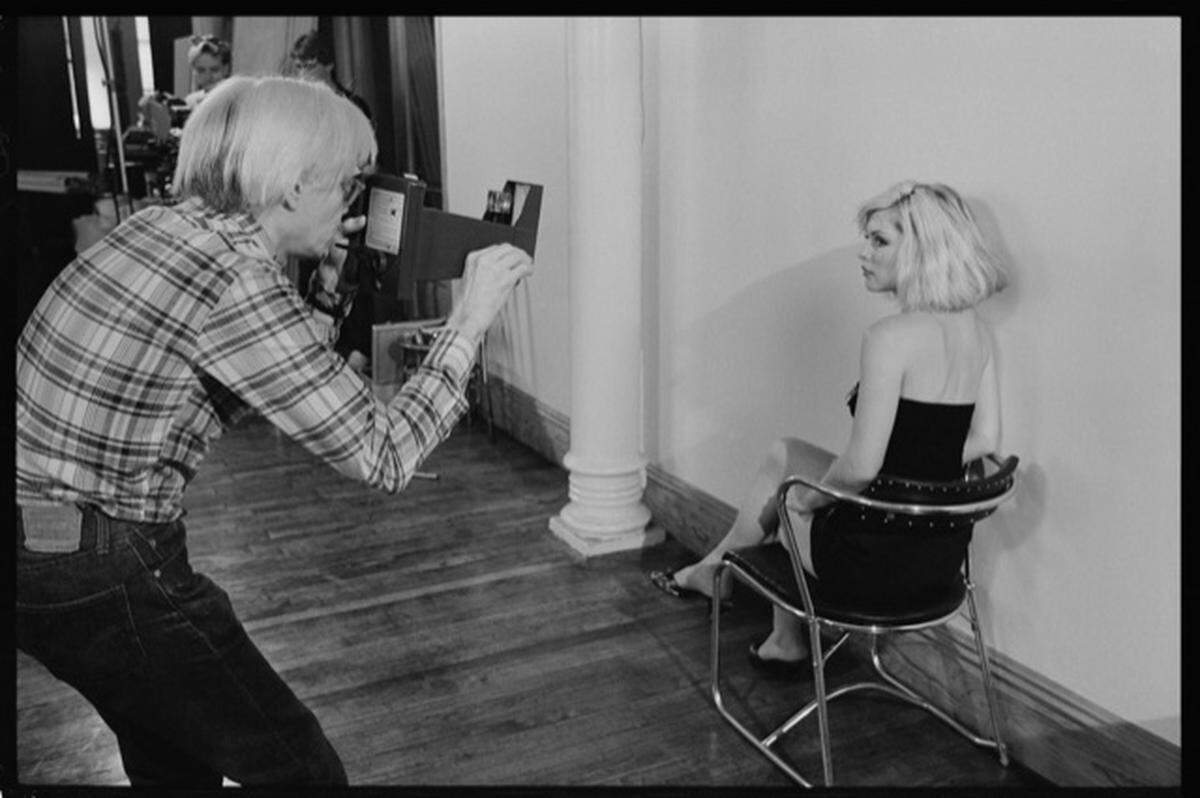
In “Face It,” Harry recounts how her life intersected with and inspired famous figures from the music, art and film worlds after she patterned the “Blondie character” after one of her idols, Marilyn Monroe.
She worked alongside late artist Jean-Michel Basquiat and scenester Andy Warhol and her “Hairspray” director and buddy John Waters, who will also appear at the Miami Book Fair on Nov. 19, a detail that delights her.
“I’ll tell you what, what I’m really looking forward to is John Waters,” Harry said.
Harry’s Miami ties
Harry says she is eager to come to Miami for the fair. New York may be home, but she has South Florida ties. For starters, she was born in Miami.
Born Angela Trimble to a single mom on July 1, 1945, she was adopted as an infant and renamed by Richard and Cathy Harry, a Paterson, New Jersey couple who, six years later, would deliver Harry a baby sister, Martha, who lives in Florida. (Harry will visit her on this trip south.)
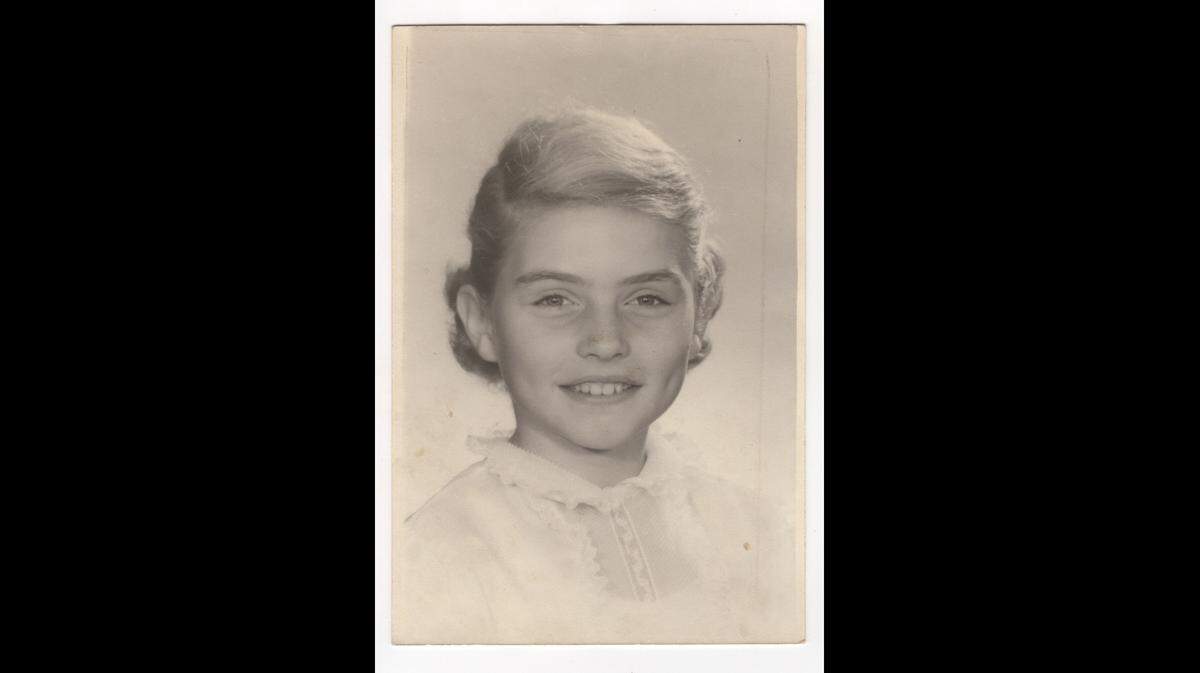
Though she was close to her parents, she confounded their expectations from an early age.
“I don’t think I was expected to be a public person,” Harry said. “My family, in particular, expected me to live the kind of life they led: raise a family, participate in community affairs and have jobs. It was foreign at the time to go into rock and roll. I think my parents were very happy in their lives. and I didn’t feel that way. I felt unsettled about it. I felt a gnawing curiosity. I suppose I wanted to experience more in my life, and I didn’t feel completely comfortable at times.”
‘Started out as torture’
Approaching “Face It,” where she had to revisit the gritty downtown New York Scene of the 1970s, where Harry and Stein seemed to endure more false starts, robberies and apartment fires than hits until “Heart of Glass,” the fourth single from Blondie’s third album, “Parallel Lines,” scored, unnerved Harry.
Facing her life story in the resulting 360 pages “started out as torture,” Harry said. It was definitely more daunting, say, than accepting producer Giorgio Moroder’s challenge to write lyrics for his “American Gigolo” theme music, which would yield Blondie its biggest hit, “Call Me,” in 1980. “I had great misgivings about it. But I’ve come to the point it’s been cathartic for me.”
The process of completing “Face It” took four or five years and a collaboration with journalist Sylvie Simmons. “She was perceptive and experienced and really did her homework,” Harry said of Simmons.
Harry didn’t keep journals so she had to draw upon her memories. Did we mention there’s been a lot of drugs in Blondie’s past?
“It was not such a strain to remember,” Harry insisted. “You have to realize we have been doing interviews for such a long time that sort of keeps your memories freshened. I’d like to go back and do some more stories, some that are a little bit more odd, perhaps, although there is some oddness in this.”
Exposing David Bowie
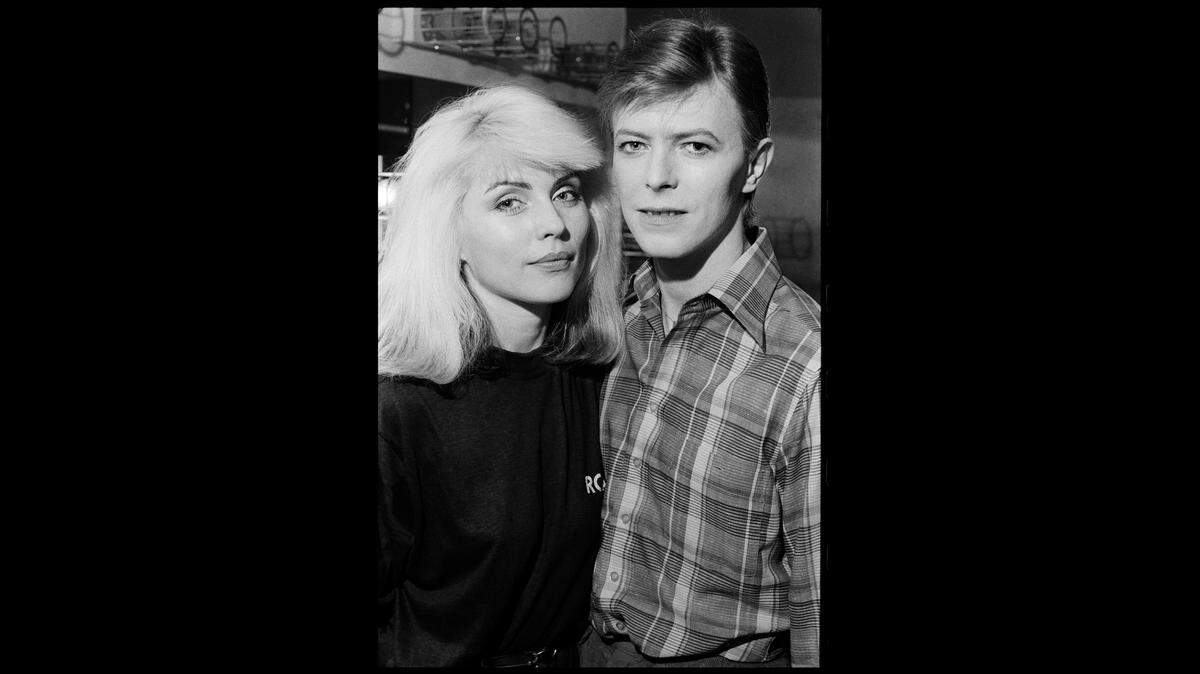
David Bowie, by the way, really did casually expose himself to Harry during a 1977 tour with Blondie and Iggy Pop, she writes. “As if I were the official c--- checker or something.” It’s one of several instances in which the mistress of detached cool displays a refreshing sense of humor — in print and in conversation.
But writing a memoir isn’t the same as writing a song’s lyric, even if some of Harry’s songs like “One Way or Another,” about an ex-lover who stalked her in early-1970s New York, have aspects of autobiography. And then being edited, a new experience, and having to decide on whether to write in conversational style or “more correct,” proved challenging.
“I was not used to being edited,” Harry said. Blondie wasn’t necessarily a democracy, it was always clear who fronted the band, but its members all shared in the songwriting and musical ideas.
On the stylistic front, Harry wisely chose a conversational tone. “I ended up going with the idea of speaking with someone. I felt more comfortable,” she said.
Given her photogenic image that blended the auditory with the visual years before the arrival of MTV in 1981, “Face It” departs from most celebrity bios. Blondie was, after all, the first rock band to film a video for every song on an album, “Eat to the Beat,”in 1979, and then market the package as a longform home video.
Fan art
Rather than rely on stock photos, “Face It” features original art, comic strips and pages of “fan art” — full reproductions of drawings and paintings of Harry made by fans over the years.
“The fact that someone would sit down and draw or paint or make some kind of representation of me while perhaps listening to Blondie music, to me, is the highest tribute,” she said. “It’s amazing the contact with many fans over the years. It stays with you. They contribute to your livelihood and I maybe contribute to their emotional world. It’s a very intimate thing.”
The fans didn’t know beforehand that their images were selected.
“I started collecting fan art quite early on,” Harry said. “I always intended, somehow, to publish the fan art even if just in a little booklet or to put on the Blondie website. But it has happened here and it has shaped what this book is. The whole thing is intriguing to me because people know by now my relationship to the art world is very strong.”
The book, and its upcoming presentation, has the always-ambitious artist enthusiastic.
“Overall, this has given me a new sort of spurt,” Harry said. “I feel I’m really looking forward to doing some more songs. I’m now looking forward to writing new material and doing some new recordings. I have a sense of closure on some of the things from the past. I feel charged from it.”
This means there will be more Blondie music to follow the fresh 2017 album, “Pollinator,” which found the core group collaborating with peers like Joan Jett and Laurie Anderson and contemporary talents like Sia and Charli XCX.
Writing her memoir, she said, has given her “a bigger perspective. I would encourage anyone to do the same thing if they have misgivings about their past. ‘Face It’ was the answer for me.”

If you go
What: An Evening With Debbie Harry. Blondie’s lead singer will lead a presentation of her memoir, “Face It,” and will be joined by band mate Chris Stein and creative director/moderator Rob Roth
When: 8 p.m. Wednesday, Nov. 20
Where: Miami Dade College, Wolfson Campus, Chapman Conference Center, 300 NE Second Ave., Miami
Tickets: $20
Information: miamibookfair.com
Miami Book Fair: Nov.17-24 at Miami Dade College Wolfson campus; see miamibookfair.com for full schedule of authors.