
Why More Consumers Are Rethinking How They Buy Glasses
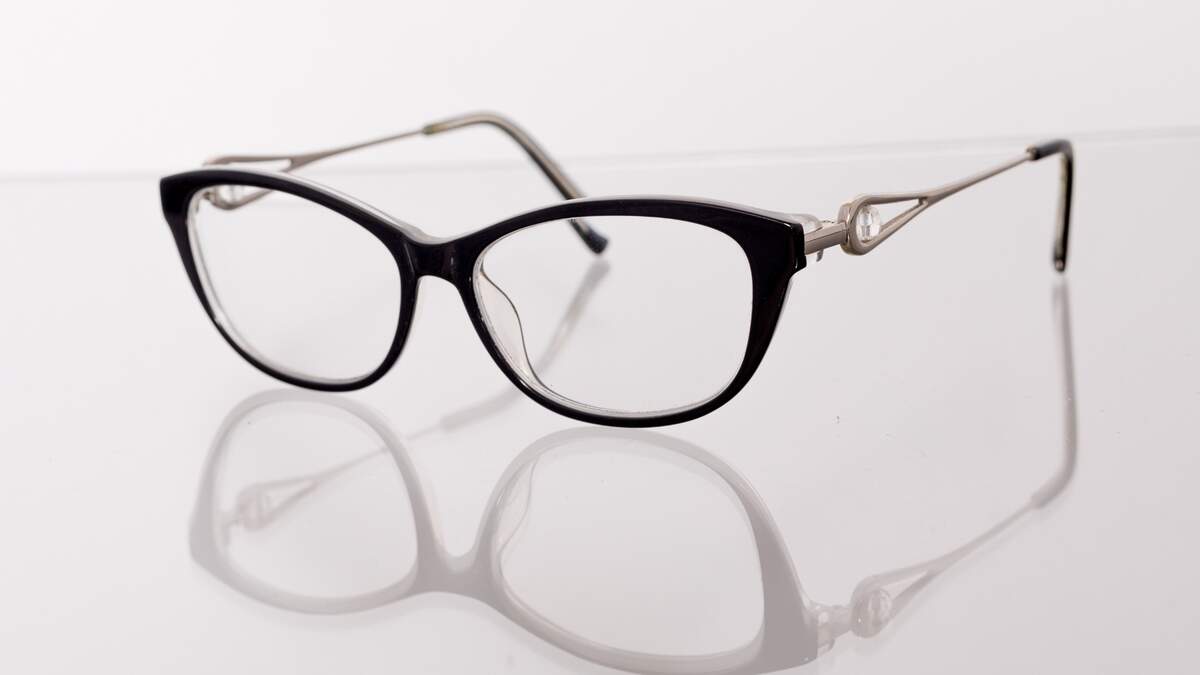
There was a time when getting new glasses usually meant setting aside an afternoon. First came the eye exam. Then there was a trip to an optical store, a limited selection of frames, and often a surprising bill at the end. Today, many consumers approach eyewear differently. Online retailers such as GlassesUSA are part of a broader shift that allows people to compare styles, upload prescriptions, and explore lens options without leaving home.
That change is happening for a simple reason: glasses are no longer an occasional purchase for many people. They are part of daily life. People wear them while working, driving, reading, exercising, scrolling through phones, attending school, and managing countless other tasks.
As a result, eyewear is becoming less of a specialty purchase and more of an everyday necessity that consumers want to access in ways that fit their schedules and budgets.
For Many People, Clear Vision Is Not Guaranteed
Most people do not think much about their eyesight until something changes. Maybe road signs become harder to read at night. A laptop screen starts causing eye strain. Reading small print requires more effort than it once did. These gradual changes often remind people how much they depend on clear vision throughout the day.
The Centers for Disease Control and Prevention reports that approximately 93 million American adults are at high risk of vision loss. The agency also found that more than 8 million adults who needed eyeglasses reported being unable to afford them.
Those numbers help explain why affordability remains part of the conversation. Access to prescription eyewear is not simply about convenience. For many people, it affects work, education, transportation, and overall quality of life.
Shopping Habits Have Changed
Consumers now compare nearly everything online, from airline tickets to appliances. Eyewear has followed a similar path. Instead of choosing from a few dozen frames displayed in a store, shoppers can often browse hundreds or even thousands of options from home. Frame shape, color, material, lens type, and price can all be compared side by side.
Virtual try-on technology has also changed the experience. Rather than guessing how a frame might look, shoppers can use digital tools to get a better sense of fit and appearance before ordering.
Different consumers have different priorities. A remote worker may want lenses designed for long hours spent in front of a screen. A parent may need a backup pair for a child who seems to lose glasses every few months. Someone who drives frequently might be looking for prescription sunglasses, while another person wants a second pair that matches a different style.
The common thread is flexibility. People increasingly expect more choices and more control over how they shop.
The Eye Exam Still Matters
The rise of online eyewear has not changed one important fact: prescriptions still begin with eye care professionals. Comprehensive eye exams do much more than determine whether someone needs glasses. Eye exams can also help doctors identify signs of health conditions that may appear elsewhere in the body.
Issues such as diabetes, high blood pressure, and certain eye diseases may sometimes be detected during a routine exam. In that sense, an eye appointment can reveal information that goes far beyond vision correction.
Online shopping may make glasses easier to obtain, but it does not replace professional care.
Eyewear Is Becoming More Personalized
The glasses market itself is evolving. Reuters reported in 2026 that Meta introduced prescription smart glasses through its Ray-Ban partnership, combining prescription lenses with wearable technology. While smart glasses remain a developing category, the launch reflects growing interest in eyewear that serves multiple purposes.
That trend can be seen elsewhere as well. Lens options are more varied than they used to be. Frame styles change rapidly. Digital fitting tools continue to improve. Consumers increasingly expect eyewear to fit both their vision needs and their lifestyles.
What people wear on their faces every day is becoming more personal, customizable, and technology-driven.
Access Remains Part Of The Story
A Miami Herald report noted that eye exams can help identify early signs of conditions ranging from diabetes to heart disease and certain forms of cancer. The report also highlighted a challenge many families already understand: eye exams and prescription eyewear can be expensive, particularly for those without insurance coverage.
That reality helps explain why affordability remains such an important topic.
When consumers have more options for obtaining prescription glasses, it may become easier to address vision problems before they begin affecting school, work, driving, or everyday activities.
The larger story is not really about buying glasses online. It is about access. Consumers today have more ways to compare products, manage costs, and find eyewear that fits their needs. Combined with regular eye exams and professional care, those options are helping reshape how vision care fits into everyday life.
This article is for informational purposes only and does not substitute for professional medical advice. If you are seeking medical advice, diagnosis or treatment, please consult a medical professional or healthcare provider.
Members of the editorial and news staff of miamiherald.com were not involved with the creation of this content. All contributor content is reviewed by miamiherald.com staff.