
Turkey’s Rhinoplasty Market Gains Fresh Attention as Esteworld’s Medical Director Presents Key Surgical Approaches
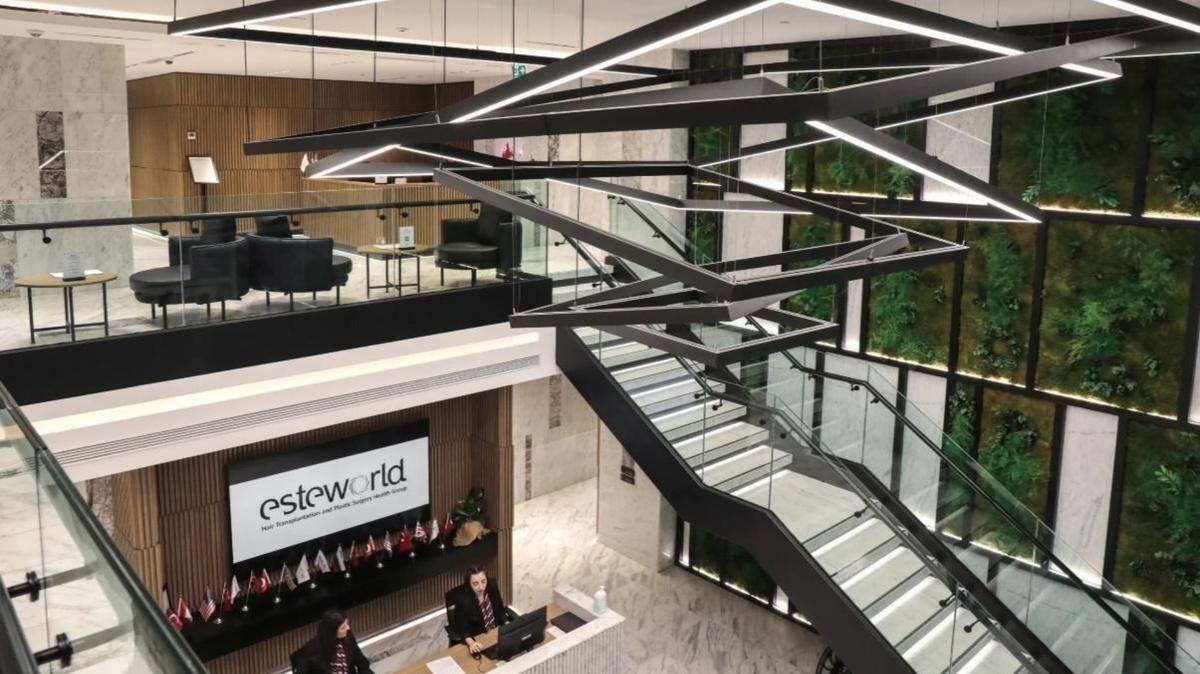
Turkey’s aesthetic surgery field maintains its international attraction because rhinoplasty remains one of the country’s top medical procedures for international patients. Esteworld, a long-established aesthetic healthcare group in Istanbul, has recently highlighted its current rhinoplasty methodologies through educational content and clinical communications led by Medical Director Dr. Burak Tuncer, detailing how surgery technique selection has shifted toward permanent structural support, improved breathing capacity, and customized facial design.
The renewed focus reflects a broader shift in Turkey’s cosmetic surgery market: international patients are no longer comparing destinations purely on price. The patients now assess the surgical planning process which surgeons manage along with the safety measures and the system for continuing patient care and the probability of achieving results which look natural and maintain their appearance throughout time.
A Sector Shaped by Health Tourism Growth
Turkey’s expanding role in health tourism provides the commercial backdrop to this development. Official statistics and sector reporting indicate strong growth in inbound medical travel in recent years—both in patient volumes and revenue contribution—supporting continued investment in hospital-grade facilities, multilingual coordination, and clinical standardization across major hubs such as Istanbul.
Esteworld positions itself within this ecosystem as a multi-service provider spanning plastic surgery, medical aesthetics, dental treatments, and hair restoration. The group states it has operated since 1994, and promotes an international footprint and standardized quality systems, including certifications referenced in its corporate materials.
What “Modern Rhinoplasty” Means in 2026: Function, Structure, and Long-Term Outcomes
Rhinoplasty is often described by surgeons as one of the most technically demanding aesthetic procedures because it requires balancing two outcomes at once: external appearance and internal airflow. A visually refined result that compromises breathing—or a structurally weakened nose that changes shape during healing—can lead to dissatisfaction and, in some cases, revision surgery.
In Esteworld’s recent informational outputs attributed to Dr. Tuncer, several themes recur:
- Open vs. closed approach selection based on anatomy and surgical goals
- Male rhinoplasty planning that accounts for stronger nasal lines and facial proportions
- Ethnic rhinoplasty considerations where cartilage characteristics and skin thickness vary
- Revision rhinoplasty complexity and the need for careful structural rebuilding
- Swelling management and recovery education to align expectations with physiology
This emphasis mirrors a wider international trend in which rhinoplasty is increasingly framed as “precision facial surgery” rather than a one-size-fits-all cosmetic change. The practical implication for patients is straightforward: the right technique is the one that fits the patient’s nasal structure, skin characteristics, and functional needs—not the one currently trending online.
Dr. Burak Tuncer’s Role at Esteworld
Esteworld identifies Dr. Burak Tuncer as its Medical Director, noting he has served in that capacity since 2020. The organization describes his remit as spanning protocol development and clinical oversight, particularly across medical aesthetics and hair transplantation.
The group’s English-language physician profile also describes Dr. Tuncer as an active hair transplant practitioner, stating he has participated in more than 5,000 hair transplant operations within its VIP-service setting.
That dual positioning—clinical leadership plus hands-on procedural experience—matters in a market where international patients often look for evidence of medical governance (clear standards, consistent teams, documented pathways) rather than loosely organized “package” surgery models.
Turkey’s Competitive Advantage: Integrated Medical Travel Operations
Turkey’s medical tourism model is frequently described as “end-to-end” because clinics commonly coordinate logistics that patients in other countries must arrange independently. For international rhinoplasty patients, this can include pre-op testing schedules, accommodation planning, airport transfers, post-op check-ups, and remote follow-up.
Independent sector summaries and hospital group reporting also highlight how medical tourism growth has become measurable in national economic terms, with Istanbul positioned as a primary hub for inbound aesthetic procedures.
At the same time, professional bodies in the UK and elsewhere have emphasized that patients should treat overseas surgery as major healthcare—not a holiday add-on—especially regarding insurance coverage, aftercare planning, and the reality that complications may require treatment after returning home.
A balanced view of the market therefore includes two truths at once:
- Turkey’s infrastructure and procedural experience are often cited as factors influencing patient interest, and
- responsible patient decision-making still depends on credential checks and aftercare clarity.
Why Hair Transplantation Remains Central to Turkey’s Aesthetic Brand
Although rhinoplasty Turkey is the headline topic, it is difficult to discuss Turkey’s aesthetic medicine reputation without acknowledging hair transplantation, which has become one of the country’s most internationally recognized services.
Major international reporting has described Istanbul as a global focal point for hair restoration, citing the scale of providers and the maturity of techniques such as FUE (Follicular Unit Extraction).
Within Esteworld’s own positioning, hair transplantation is presented as a flagship service line alongside plastic surgery, and the organization publicly markets multiple hair transplant modalities.
From a medical tourism perspective, hair restoration and rhinoplasty share the same demand drivers:
- high international price differentials
- concentrated specialist experience
- bundled logistics that simplify travel
- strong social proof through patient storytelling (often online)
For providers, the commercial takeaway is clear: patients increasingly expect specialist-level outcomes plus hospital-grade coordination. Clinics that can demonstrate both are shaping the market narrative.
Technique Trends: What Clinics Are Communicating to Patients Now
Across Turkey’s leading aesthetic providers, patient communications increasingly focus on reducing uncertainty. That includes:
- explaining who performs each surgical stage
- clarifying whether procedures are done in hospital settings or clinic theatres
- detailing post-op visits and remote follow-up cadence
- discussing revision policy and realistic timelines for final results
In Esteworld’s rhinoplasty content featuring Dr. Tuncer, the messaging places technique choice within a clinical decision framework—rather than presenting a single “best” method.
This matters because rhinoplasty results evolve over time. Swelling can mask contours for weeks, and subtle structural settling can continue for months—particularly in tip work. Clinics that invest in patient education and follow-up protocols may help address logistical challenges for international patients that can otherwise escalate into dissatisfaction.
Market Outlook: Specialization and Governance Are Becoming Differentiators
Looking ahead, Turkey’s rhinoplasty sector appears to be moving in the same direction as other mature aesthetic markets: away from generic offerings and toward specialization, documented standards, and physician-led planning.
That shift is partly driven by consumer sophistication and partly by public discussion around patient safety and aftercare—topics increasingly raised by medical organizations and policymakers in countries whose citizens travel for surgery.
For Esteworld, positioning a Medical Director as the visible clinical voice on technique is a corporate signal: it frames rhinoplasty not just as a service, but as a governed medical pathway with defined approaches and educational transparency.
Rhinoplasty has become one of the most widely sought procedures in Turkey, partly due to the country’s high procedure volumes, established medical tourism logistics, and the large number of aesthetic surgery providers, particularly in Istanbul. In discussions about surgical techniques, both open and closed rhinoplasty remain standard approaches, with patient education increasingly emphasizing that the choice depends on an individual’s anatomy, goals, and functional needs rather than a universal preference for one technique. Esteworld identifies Dr. Burak Tuncer as its Medical Director since 2020 and states that he is involved in both clinical practice and protocol development, including work in hair transplantation. For international patients traveling to Turkey for rhinoplasty, clinics often structure treatment timelines around approximately a week in the country to allow for early post-operative checks and splint removal, although schedules can vary depending on the surgeon and the complexity of the case. While some changes are visible once early swelling subsides, clinics generally advise that final rhinoplasty results can take several months to fully develop, and in some cases up to a year depending on surgical technique and tissue characteristics. Turkey’s reputation in medical tourism is also linked to hair transplantation, with international reporting frequently describing Istanbul as a major global center for the procedure, which has contributed to the country’s broader visibility in aesthetic medicine. Before booking surgery abroad, professional guidance often recommends verifying a surgeon’s credentials, understanding the full aftercare plan, and considering how complications—though uncommon—would be managed after returning home. Patients are also advised to review insurance coverage carefully, as surgical travel may not always be included in standard travel insurance policies. Educational materials from specialist providers further note that revision rhinoplasty is typically more complex than primary surgery because scar tissue and structural support issues may require additional planning and surgical expertise.
Contact:
Email: info@esteworldturkey.com
Address: Altunizade Mah. Kısıklı Cad. No:7 Üsküdar / Istanbul
This article is for informational purposes only and does not substitute for professional medical advice. If you are seeking medical advice, diagnosis or treatment, please consult a medical professional or healthcare provider.
Members of the editorial and news staff of miamiherald.com were not involved with the creation of this content. All contributor content is reviewed by miamiherald.com staff.