
Why Businesses Hire Fire Watch Services During Fire System Emergencies
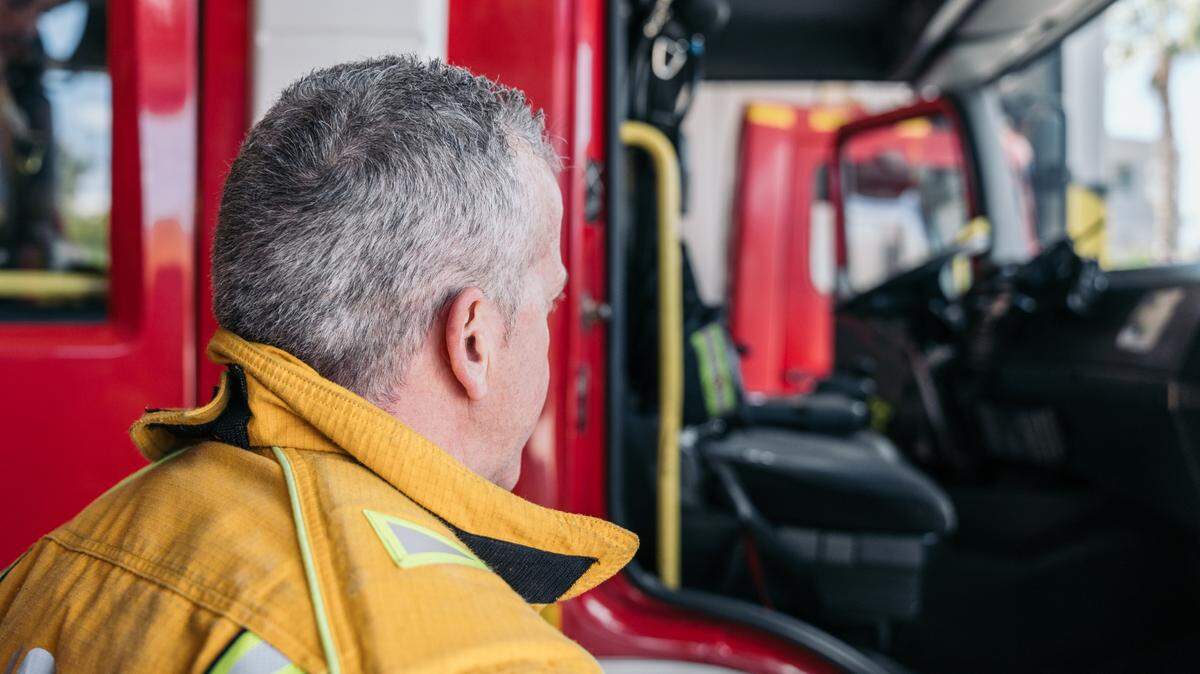
When a fire alarm fails, a sprinkler system shuts down, or a fire marshal issues a violation notice, businesses often face immediate safety and compliance concerns. Fire protection systems help reduce risk and protect people inside a building. When those systems stop working, local authorities may require temporary monitoring until repairs are completed.
For property managers, construction firms, commercial operators, and facility owners, hiring trained fire watch personnel is one way to maintain oversight during this time. Businesses facing urgent safety concerns sometimes begin by searching for a fire watch company near you to provide trained personnel to monitor the property while systems are repaired.
This guide explains why organizations use fire watch guards, how these services usually operate, and the role they may play when fire protection systems are temporarily unavailable.
1. Address Fire Code Compliance Concerns
Fire safety codes often require monitoring when alarm or sprinkler systems are not working. If a building lacks temporary monitoring, local authorities may issue citations or request additional inspections.
Fire watch coverage may be required when:
- Fire alarm systems fail
- Sprinkler systems are temporarily shut down
- Exits or safety paths are blocked
- Construction work creates new fire hazards
- Fire officials issue compliance notices
In these situations, trained personnel observe the property and record patrol activity until the system is repaired.
2. Reduce the Risk of Operational Interruptions
When safety systems are offline, fire officials may impose restrictions on how a building operates until the issue is resolved. Fire watch coverage can help show that someone is actively monitoring the property while repairs are underway.
For commercial buildings, warehouses, or construction sites, temporary monitoring can help businesses continue daily operations while maintenance work is underway.
3. Meet Fire Marshal Monitoring Requirements
Fire marshals sometimes require routine patrols when fire protection systems are not working. These patrols help ensure that potential hazards are noticed during the outage.
During a fire watch assignment, personnel typically walk through the building at scheduled intervals. They observe the space for signs of smoke, blocked exits, or other safety concerns. They also record their patrol times and observations in written logs. These records may later be reviewed during inspections.
4. Respond to Fire System Failures at Any Time
Fire system issues can occur at any time of day. An alarm may stop working overnight, or a sprinkler system may need maintenance during off-hours.
In these situations, fire watch guards may be assigned to monitor the property when regular staff is unavailable. Their role is to observe conditions and report concerns while the system remains offline.
5. Monitor Building Conditions During System Outages
When fire protection systems are unavailable, buildings may need additional monitoring. Fire watch patrols help identify conditions that could increase fire risk.
During routine patrols, guards often check for smoke, heat sources, or electrical problems. They also look for combustible materials stored improperly. In addition, they confirm that emergency exits remain clear and accessible.
Observing these conditions helps property managers stay aware of potential risks while repairs are in progress.
6. Maintain Compliance During Construction or Renovation
Construction and renovation work can introduce temporary fire hazards. Welding equipment, cutting tools, and temporary wiring may increase risk in certain areas.
Local safety codes sometimes require fire watch monitoring during these activities. Guards monitor the work area while construction tasks are underway. They watch for sparks, equipment issues, or materials that could create a hazard.
This monitoring continues until the activity ends or the fire protection system returns to service.
7. Maintain Monitoring Records
Fire watch services usually involve written documentation. Guards record patrol times, observations, and any concerns they notice during their shift.
Typical documentation may include:
- Patrol logs showing when areas were checked
- Notes about safety conditions
- Reports of hazards or unusual activity
- Communication records with property managers
These records help show that monitoring procedures were followed during the outage period.
8. Address Insurance and Liability Considerations
When fire protection systems are not working, property owners are often expected to take steps to monitor safety risks. Insurance providers and safety regulations may require reasonable oversight during this time.
Temporary monitoring, including fire watch coverage, may help show that building managers took steps to supervise the property while repairs were underway.
9. Use Personnel Trained in Fire Safety Monitoring
Professional fire watch personnel often receive training related to hazard recognition and emergency communication. This training helps them notice potential risks and respond appropriately if concerns arise.
Training may include topics such as:
- Fire hazard identification
- Emergency response procedures
- Evacuation awareness
- Communication protocols
This background allows guards to monitor the property and report issues clearly.
10. Maintain Monitoring Until Systems Are Restored
Fire protection system repairs can take several hours or several days, depending on the situation. During that time, monitoring may continue until the system is repaired and returned to service.
For many organizations, assigning trained personnel to observe the building helps maintain safety oversight while technicians work on the system.
What Makes a Fire Watch Provider Different
Businesses often consider several factors when choosing a fire watch provider. The right service may depend on the type of building and the applicable local regulations.
Common factors include:
- Training and experience of personnel
- Availability for urgent requests
- Experience with construction or commercial properties
- Reporting and documentation procedures
- Familiarity with local fire codes
Understanding these factors can help property managers choose a service that fits their situation.
How Fire Watch Services Typically Work
The process of setting up fire watch coverage is usually simple and structured.
Step 1: Site Review
The provider reviews the building and identifies areas requiring monitoring.
Step 2: Guard Deployment
Personnel are assigned to patrol the property at required intervals.
Step 3: Ongoing Monitoring
Guards walk through the site, observe conditions, and record patrol activity.
Step 4: Communication and Reporting
If guards notice hazards or concerns, they report them to building managers or emergency services.
Industries That Commonly Use Fire Watch Services
Fire watch monitoring may be used across several industries where safety rules require active observation. Examples include:
- Commercial office buildings
- Residential communities and HOAs
- Construction sites
- Manufacturing facilities
- Warehouses and distribution centers
- Healthcare facilities
- Event venues
- Maritime operations
These environments often operate under strict safety regulations.
Financial and Operational Considerations
When fire safety systems stop working, businesses may face operational challenges. Inspections, repairs, and temporary restrictions may affect daily activity.
Many organizations use temporary monitoring measures to keep track of building conditions while the underlying issue is addressed.
When Businesses Typically Request Fire Watch Services
Organizations may consider fire watch coverage in several situations:
- Fire alarms stop working.
- Sprinkler systems are temporarily offline.
- Fire officials request monitoring.
- Construction increases fire risk.
- Buildings remain temporarily unoccupied.
- Hazards cannot be resolved immediately.
Monitoring usually continues until the fire protection system is repaired and approved for use. Fast Fire Watch Guards is known for rapid response, professional service, and nationwide coverage.
Responding to a Fire Protection System Failure
When a fire protection system stops working, building managers often take several steps:
- Notify local fire authorities if required.
- Schedule repair or maintenance services.
- Implement temporary monitoring.
- Document safety actions taken.
- Inform staff or occupants about safety procedures.
These steps help maintain oversight while repairs are underway.
A Practical Approach to Temporary Fire Safety Monitoring
Fire safety rules are designed to protect people, buildings, and surrounding communities. When protection systems stop working, temporary monitoring may be required until repairs are complete.
Fire watch services provide one option for observing buildings during this period. Trained personnel monitor conditions, record patrol activity, and report concerns while the system remains out of service.
The information provided in this article is for general informational and educational purposes only. It is not intended as financial, medical, or professional advice. Readers should not rely solely on the content of this article and are encouraged to seek professional advice tailored to their specific circumstances. We disclaim any liability for any loss or damage arising directly or indirectly from the use of, or reliance on, the information presented.
Members of the editorial and news staff of miamiherald.com were not involved with the creation of this content. All contributor content is reviewed by miamiherald.com staff.
This story was originally published March 10, 2026 at 10:55 PM.