
Why Turkey Became a Major Destination for Hair Transplants
People start researching hair loss solutions in all kinds of moods. Some do it quietly at night with too many tabs open, others treat it like a project with spreadsheets, and some end up there after one mirror glance that they didn’t expect to feel so pronounced. At some point in that process, many people land on one repeated search: “hair transplant Turkey.”
The volume of information is expansive, but the reason people keep clicking goes deeper than hype. Something real shifted in Turkey over the last decade, and understanding that change may help people move from overwhelmed to clarity.
When a Country Becomes a Hub
Turkey’s role in modern hair restoration didn’t come from a single breakthrough. It happened over time with repetition, scale and a kind of collective muscle memory built across thousands of procedures.
Surgeons and medical teams see a wide range of hair textures, donor patterns, ages and goals each week. That means their approach keeps sharpening with real exposure rather than theoretical practice. Experience at that scale tends to change outcomes because teams learn how subtle choices affect growth months later.
Costs tend to look lower in Turkey compared to Western Europe or North America. That difference usually comes from currency and operating expenses rather than theoretical practice. Many clinics fold everything into a single plan that covers airport pickup, hotel stays, the consultation, surgery day and follow-ups. For someone trying to organize all of that alone, having the logistics bundled may remove the part of the process that feels overwhelming before the medical side even begins.
Genuine Care Makes All the Difference
Hospitality shapes the experience, too. Turkey has a long history of treating visitors with a kind of built-in generosity for a procedure. Patients are often met right after landing, taken to their hotel and guided through each appointment. That steady hand throughout the schedule might help first-time travelers feel less out of their depth.
A hair transparent looks straightforward on paper: move follicles from one area to another. The real work unfolds much more slowly. Modern techniques in Turkey usually rely on either FUE, which stands for Follicular Unit Extraction, or DHI, short for Direct Hair Implantation. Both involve tiny, careful movements. Follicles are collected one at a time from the donor area, then placed into new openings in the recipient zone at angles meant to blend with someone’s natural pattern.
Procedures last several hours. Some patients pass the time with music, others chat, plenty nap, and a few may drift into the kind of quiet where time feels longer than it should. Local anesthesia keeps the experience comfortable, though staying still becomes its own challenge. Clinics used by international visitors often divide the day into manageable stages and check in on comfort often, so people don’t feel left alone.
How People Actually Choose a Clinic
Photos matter, but they’re not the whole decision. People want signs of consistency. They look for clear communication, unedited patient journeys and consultations that feel thoughtful rather than rushed.
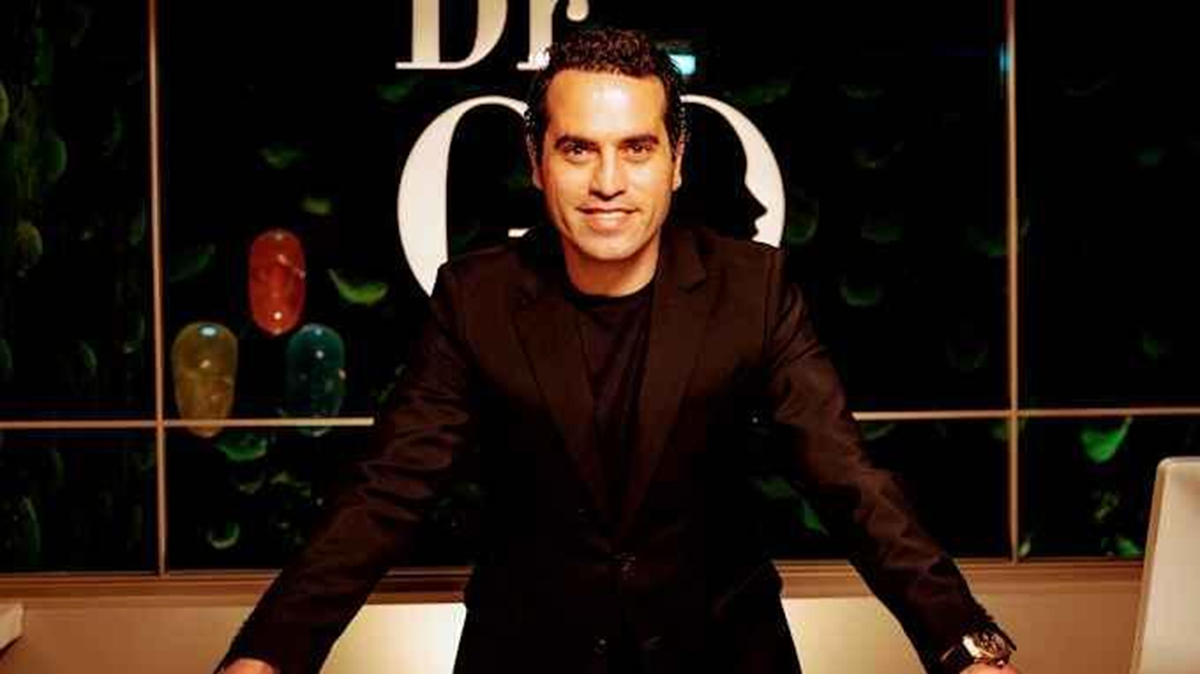
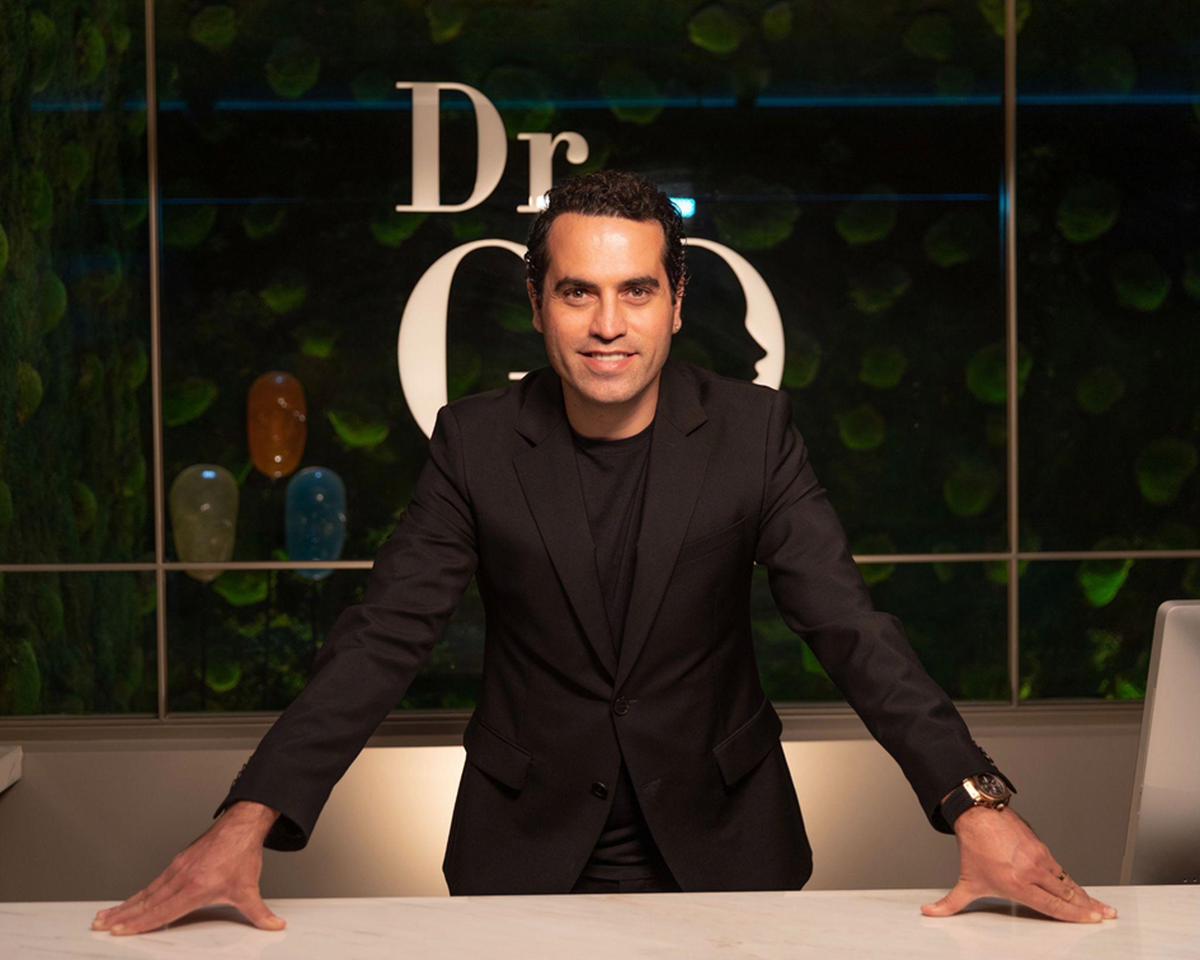
This is where Istanbul’s HairNeva Clinic often appears in patient discussions. The clinic, led by Assoc. Prof. Dr. Güncel Öztürk, focuses on personalized assessments. The clinic has built a process that walks people from their initial questions to long-term check-ins after they return home. The plastic surgeon, certified by the European Board of Plastic, Reconstructive and Aesthetic Surgery, has years of experience in the field.
Öztürk believes that each hair transplant is an art form that requires aesthetics, balance and precision. He oversees every HairNeva procedure to make sure safety and quality are present from start to finish.
Visitors describe a pace that feels grounded rather than hurried, with the team outlining how FUE or DHI might work for their specific patterns of loss. Part of the decision also comes down to trust. People pay attention to how clinics respond when asked about risks, healing time and limitations.
Surgeons like Öztürk who explain what someone’s donor area can realistically support may help eliminate imagined outcomes early and replace them with achievable ones. That clarity often builds more confidence than anything else.
From First Day to Recovery
The first days after surgery come with instructions. Patients learn how to sleep without pressing on the grafts, how to wash their scalp gently and which movements might disrupt early healing. The transplant area can feel unfamiliar during this window, but clear guidance usually helps people move through those days without guessing what’s normal.
The long arc comes later. Transplanted hairs often shed before new ones appear. For people who aren’t expecting it, that shedding can feel like a disaster. Clinics HairNeva typically explain this timeline beforehand so patients know the growth cycle rather than assuming the procedure failed. New hair usually begins to appear months later, slowly and unevenly, before thickening over time.
What People Want to Know About Costs
Few topics appear in research searches as predictably as “hair transplant in Turkey cost.” People want a real number, not a guess. They need to know what the quote includes and whether the package covers everything required for the trip.
Prices vary depending on technique, number of grafts and the clinic’s structure. Clinics like HairNeva offer full packages that cover the consultation, surgery, hotel nights, transfers and aftercare. For travelers accustomed to high domestic prices, that bundled model may feel unusually accessible.
Lower operating costs in Turkey contribute to this, but the level of coordination also matters. Instead of arranging every detail independently, people are often presented with one plan that spans the entire trip.
The key is understanding what the quote represents. People comparing offers from multiple clinics may look at donor assessment quality, transparency around who performs each step, and how follow-up is handled. Cost alone rarely provides the full picture, so clinics that clearly explain their process tend to help patients evaluate value more accurately.
What International Patients Experience
The moment someone commits to flying to another country for surgery, logistics become personal. Clinics that regularly welcome international patients usually build their systems around this reality. Airport pickups are standard. Hotels are coordinated in advance. Transport between the hotel and clinic is scheduled for each day that requires a visit.
HairNeva Clinic follows this structure. The process often begins with photo submissions and an online evaluation, continues with an in-person consultation after arrival, and finishes with structured checkups in the days following surgery. Patients are usually taught how to clean the transplant site and given a kit that includes shampoo and other aftercare items. For many, the simplicity of having a guided routine helps reduce stress during the early recovery window.
Once people fly home, support doesn’t disappear. They’re typically asked to send progress photos at rhythm points: around a month, then three months, then six until a year has passed. Those check-ins let the clinic track growth patterns, offer reminders when shedding starts, and reassure patients when hair grows unevenly or looks a bit strange in some stages.
For many people, those conversations feel like a lifeline. Healing rarely moves in straight lines, and having someone to ask about redness, itchiness or uneven sprouts can make the months-long wait more manageable.
Questions People Ask Before Saying Yes
Most people carry a mental checklist long before they book anything. Safety lands at the top. They want to know who performs each step, where the procedure takes place, and whether the clinic works within a licensed medical environment. Clinics like HairNeva that answer those questions directly are easier to trust.
The next concern is communication. Someone flying across the world for a procedure wants clear instructions in a language they understand, especially during aftercare. Many Turkish clinics employ multilingual staff or coordinators who remain available throughout the trip.
Then there’s the hardest question: what outcome is realistic? People want honest assessments about potential coverage, density, and donor limitations. Surgeons who are straightforward about what can and cannot be achieved may help patients build expectations that match biology rather than imagination. That clarity often becomes the deciding factor.
Why Turkey Continues to Draw Global Patients
When people talk about why Turkey dominates search results for hair restoration, they’re usually talking about a combination of things that includes experience, accessibility, predictable pricing, hospitality, and the way the entire process is bundled into one trip. For individuals balancing work schedules, budgets, and insecurities about hair loss, that setup may feel more doable than coordinating everything alone.
HairNeva Clinic appears in the mix as one of the Istanbul clinics that emphasizes individualized plans. But the real story is Turkey’s larger infrastructure and how it grew into a destination through consistency rather than marketing.
People choose hair transplants for personal reasons. They want to feel more like themselves, or simply less distracted by something they’ve spent years noticing. Turkey offers a pathway that many find approachable: structured travel, experienced teams and clear day-by-day expectations.
For people who make the trip, the most meaningful part usually isn’t the surgery day itself. It’s the long stretch afterward, when new hairs appear slowly, and routines shift around that growth. When those changes begin to show up in the mirror, the decision finally feels real. It may have started with a late-night search, but it lands at the moment someone sees progress and lets their shoulders drop a little.
This article is for informational purposes only and does not substitute for professional medical advice. If you are seeking medical advice, diagnosis or treatment, please consult a medical professional or healthcare provider.
Members of the editorial and news staff of miamiherald.com were not involved with the creation of this content. All contributor content is reviewed by miamiherald.com staff.
This story was originally published December 31, 2025 at 12:02 PM.