Did you know that the National Association of Realtors® (NAR) has over 1.5 million members?
This makes it one of the largest trade associations in the U.S. This network includes sales agents, brokers, and other real estate professionals dedicated to upholding industry standards and providing top-notch service to clients nationwide. But before you can join, you’ll need a real estate license!
Here is where things can get a little complicated: the process of meeting real estate agent requirements isn’t one-size-fits-all. Each state has its own rules, coursework, exams, and fees, so knowing what to expect is key to getting started.
So, what does it take to get your real estate license? Let’s break down the steps, state-by-state requirements, and everything else you need to start your journey—whether you’re aiming to be an agent or planning to level up to a broker someday!
Key Takeaways
- State-Specific Rules: Requirements for education, exams, and licensing processes differ by state.
- Education Hours: Pre-licensing courses range from 40 to 180 hours, depending on your state’s requirements.
- Licensing Costs: The total fees, including applications, courses, and exams, can range from $350 to $400.
- Additional Steps: Background checks, fingerprints, and sponsorship by a licensed broker are typically required.
- Reciprocity: Some states allow easier license transfers if you’re already licensed in another state.
Step 1: Becoming a Real Estate Salesperson
The first step to entering the real estate industry is becoming a licensed real estate salesperson. This is the foundation of your career and the starting point for most real estate professionals. Here’s what you’ll need to do:
Education Requirements
Before anything else, you’ll need to meet the basic requirements to qualify for your real estate salesperson license. Typically, these include:
- Age and education: Most states require you to be at least 18 years old and have a high school diploma or equivalent.
- Pre-licensing courses: You’ll need to complete a set number of credit hours through an approved real estate school or course provider. The exact number varies by state (usually between 40-180 hours). Topics include:
- Real estate law
- Contracts
- Real estate finance
- Real estate appraisal
The Licensing Exam
After completing your coursework, you’ll need to pass the real estate licensing exam. The test is usually split into two parts:
- National Section: This part tests your knowledge of fundamental real estate concepts, including industry practices, ethics, and key principles that apply across all states.
- State-Specific Section: This portion dives into the laws, rules, and regulations unique to your state, ensuring you understand the legal framework for conducting real estate transactions locally.
The exam isn’t as scary as it sounds if you’ve prepared well. Pro tip: Take practice tests to familiarize yourself with the format!
Real Estate Courses: The Foundation of Your Career
Before you can dive into the world of real estate, you’ll need to complete pre-licensing real estate courses. These courses are designed to teach you the basics of the industry, from legal requirements to real estate finance. Here’s what you need to know:
What Do Real Estate Courses Cover?
Real estate courses provide a comprehensive overview of topics that every aspiring real estate salesperson must understand. Common subjects include:
- Real Estate Law: Learn the rules and regulations that govern property transactions in your state.
- Contracts: Understand how to create, interpret, and manage legal agreements.
- Real Estate Finance: Get the basics of mortgages, interest rates, and financial documents.
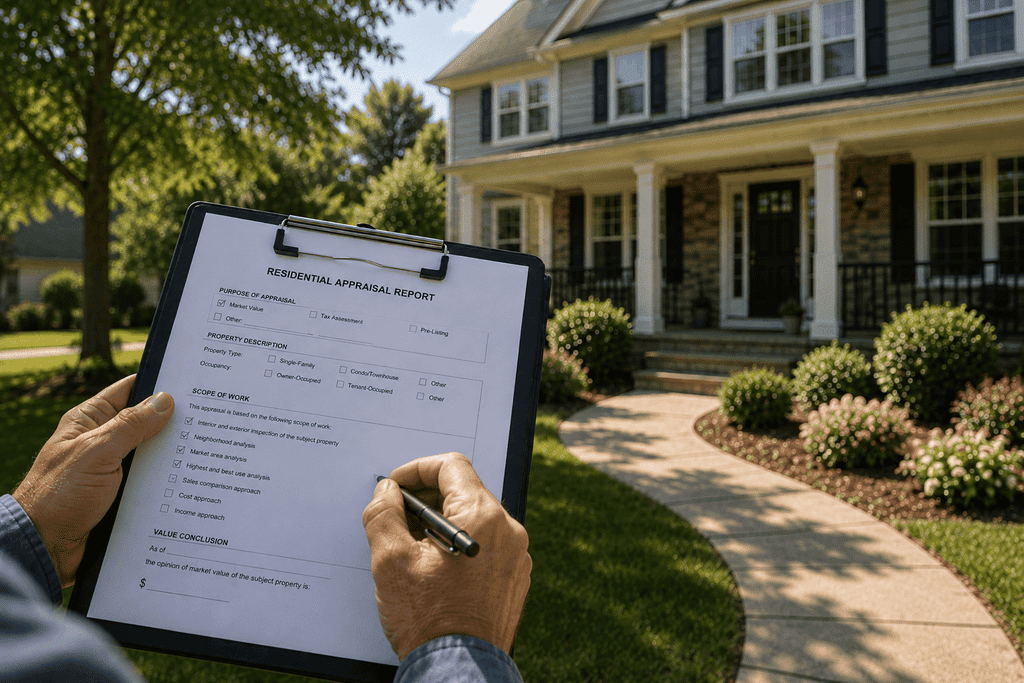
- Real Estate Appraisal: Learn how to determine the value of a property.
- Ethics and Agency: Understand your legal and ethical responsibilities as a real estate agent.
How Long Do Real Estate Courses Take?
The length of your courses depends on your state’s requirements. Typically, you’ll need to complete 40 to 180 hours of coursework. Some states also require specific subjects or additional education if you’re planning to become a broker later on.
Where Can You Take Courses?
There are a variety of course providers available, including:
- Classroom Learning: Perfect for those who thrive in a structured environment with direct interaction, allowing for real-time discussions and hands-on guidance from instructors.
- Online Courses are perfect for those who need the flexibility to study at their own pace. Many providers also offer mobile-friendly options.
- Hybrid Options: Some schools combine online and in-person classes for a more balanced approach.
When choosing a provider, make sure your state’s real estate department approves them to ensure your courses meet the licensing requirements.
Tips for Success in Real Estate Courses
- Set a Study Schedule: Treat your coursework like a job to stay on track.
- Take Notes: Writing things down helps with retention, especially for complex topics like real estate law.
- Use Practice Tests: Many providers include real estate practice exams to help you prepare for the real estate licensing exam.
Why Are These Courses Important?
Real estate courses aren’t just a box to check off—they’re the foundation of your career. They give you the knowledge and confidence you’ll need to help clients, manage transactions, and navigate the laws of your state. Completing your coursework successfully is the initial key step toward obtaining your real estate license.
Submitting Your Application
After passing the exam, the next step is to submit your application to your state’s regulatory authority. Here’s what’s usually involved:
- Provide course completion documents.
- Pay a licensing fee.
- Complete a background check (you’ll need to submit fingerprints, too).
- Show proof of sponsorship from a licensed broker (more on this in a bit).
Once your application is approved, congrats! You’re officially a licensed real estate salesperson.
Step 2: Advancing to a Real Estate Agent Role
Now that you’re licensed, it’s time to start working as a real estate agent. This stage focuses on building experience, gaining clients, and sharpening your skills. Here’s what to know:
Choosing a Sponsoring Broker
As a licensed salesperson, you can’t operate independently. You’ll need to work under a sponsoring broker or designated broker. This broker acts as your mentor, ensuring you comply with state laws and giving you access to valuable resources.
Take your time when choosing a broker—find someone whose style and values align with yours. They’ll play a big role in shaping your career!
Building Your Business
Being a real estate agent is all about relationships. Here are some tips for starting strong:
- Build a network of potential buyers and clients.
- Get familiar with your local real estate market.
- Learn how to use tools like real estate appraisal and contracts.
Continuing Education
To keep your license active, most states require you to complete continuing education courses every few years. This helps you stay updated on industry changes and sharpen your expertise.
Step 3: Becoming a Real Estate Broker
Once you’ve gained experience as an agent, you might decide to take the next big step: becoming a licensed broker. This level allows you to work independently or even open your own real estate agency.
Broker Requirements
Becoming a broker takes more time and effort. Here’s what you’ll need:
- Experience: Most states require you to work as a licensed agent for 1-3 years before applying for a broker license.
- Additional coursework: Broker-specific courses dive deeper into topics like business management, real estate finance, and property law. Expect to complete another 60-180 hours of coursework, depending on your state.
- Broker licensing exam: Similar to the salesperson exam, the broker exam tests your knowledge of advanced real estate practices.
Opening Your Own Brokerage
Once you’re a licensed broker, you can choose to:
- Operate independently.
- Manage other agents as a responsible broker.
- Set up a business entity to grow your agency.
If running a business isn’t your thing, don’t worry! Many brokers continue working under a larger brokerage while enjoying the benefits of a broker license.
Putting It All Together: Your Timeline to Success
Let’s summarize the timeline for becoming a licensed real estate agent (and potentially a broker):

Step 1: Real Estate Salesperson License
- Complete pre-licensing courses: 2-12 weeks
- Pass the licensing exam: 1-2 weeks
- Submit your application and background check: 2-6 weeks
- Total Time: About 3-6 months
Step 2: Working as a Real Estate Agent
- Gain experience under a sponsoring broker: 1-3 years
- Complete continuing education: Ongoing
- Expand your real estate network: Ongoing
Step 3: Real Estate Broker License
- Complete broker courses: 2-12 weeks
- Pass the broker exam: 1-2 weeks
- Submit your application: 2-6 weeks
- Open your own brokerage or work as a licensed broker.
- Total Time: About 1-3 additional years (depending on state requirements).
Final Thoughts
Becoming a licensed real estate salesperson—and potentially a broker—isn’t just about meeting the real estate agent requirements. It’s about committing to your new career, building strong relationships, and staying adaptable in a fast-paced industry.
If you’re ready to dive in, start by researching your state’s license requirements and finding a reputable real estate school. Whether you dream of selling homes, managing agents, or opening your own agency, there’s a path for you in real estate. And who knows? You could be helping someone find their dream home in no time!
FAQ
To become a real estate agent, you typically need to be at least 18 years old, have a high school diploma or equivalent, complete pre-licensing courses, and pass a licensing exam.
The process can take anywhere from a few months to a year, depending on the state requirements, the time needed to complete pre-licensing courses, and the exam schedule.
You must complete state-approved pre-licensing courses, which cover key subjects like property law, contract agreements, financial principles, and ethical responsibilities in real estate. The required hours vary by state.
The total cost typically ranges from a few hundred to a few thousand dollars, including pre-licensing courses, exam fees, application fees, and other related costs.
Yes, most states require you to work under a licensed broker as a real estate agent. A broker provides guidance, resources, and oversight while you gain experience.