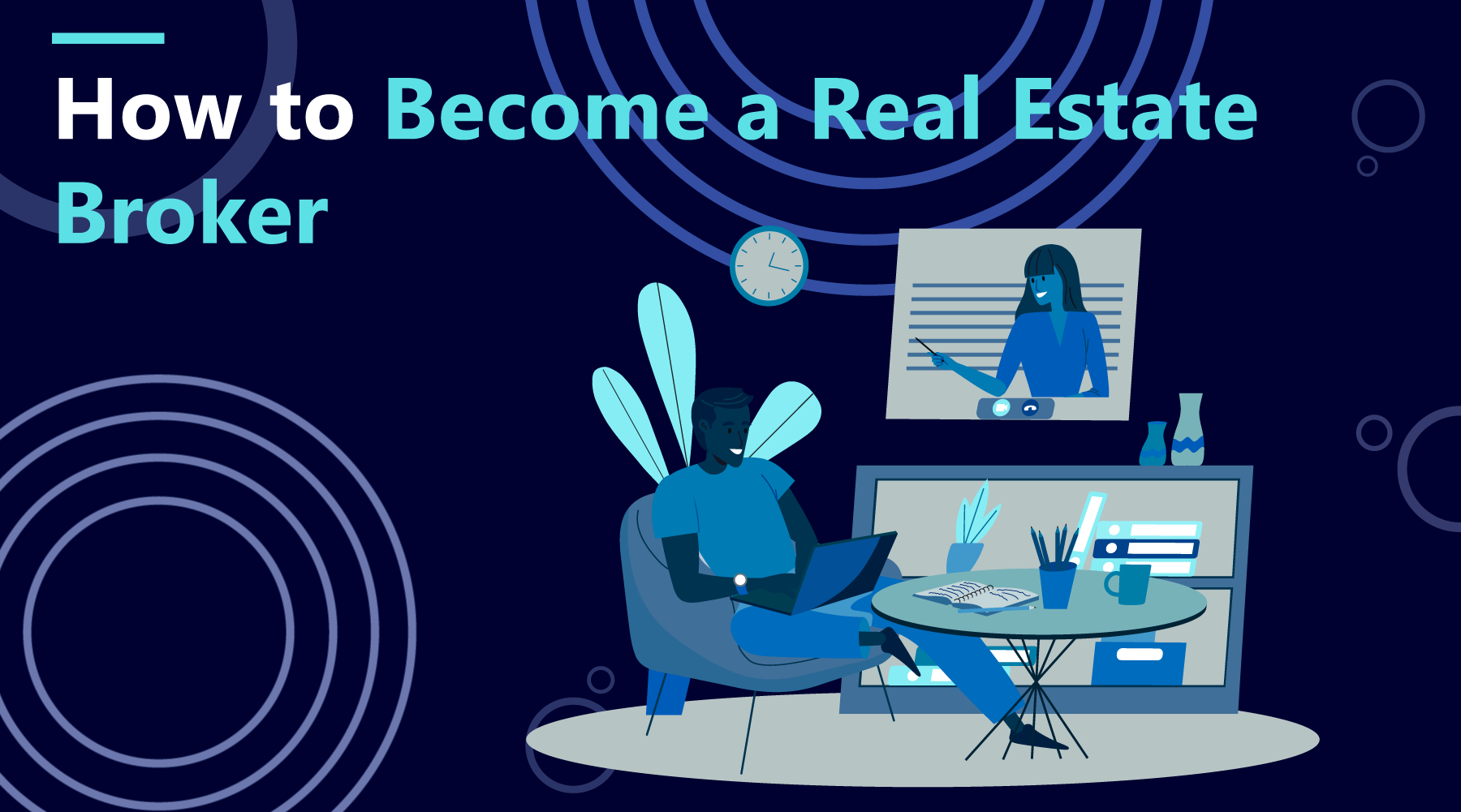
Becoming a real estate broker is a great way to take your real estate career to the next level. Not only do brokers have more control over their business, but they also have the potential to earn a higher income than real estate agents.
Of course, a real estate broker’s salary will depend on several factors — from the state you live in to the current market trends — but on average, the mean salary for a broker is over $86,000 nationally, according to the Bureau of Labor Statistics.
If you’re ready to take that next step, I’ll walk you through the entire process of getting your real estate broker license, from education requirements to the broker exam.
Key Takeaways
- Education Is Essential: You must complete broker education courses and meet experience requirements before applying.
- Experience Matters: Most states require at least two years of experience as a licensed real estate agent.
- Prioritize Exam Prep: You need to pass the licensing exam to obtain your broker license.
- Costs Can Vary: Expect to pay for education, the exam, application fees, and ongoing continuing education.
- Brokers Have More Independence: Becoming a broker allows you to open your own real estate brokerage and supervise agents.
Understand the Role of a Real Estate Broker
A real estate broker is a licensed professional who can work independently, open a real estate brokerage, and supervise real estate agents. Unlike real estate agents, brokers have completed additional education and passed a state-specific broker exam. Some brokers work as managing brokers or supervising brokers, overseeing agents in their brokerage and handling complex real estate transactions.
Key Responsibilities of a Real Estate Broker
- Managing real estate transactions
- Supervising real estate agents
- Handling real estate finance and accounting
- Ensuring compliance with real estate law
- Helping clients buy, sell, and exchange property
Steps to Become a Real Estate Broker

1. Meet the Education Requirements
Before applying for a broker license, you must meet specific education requirements. Most states require that you:
- Have a high school diploma or equivalent
- Complete a real estate brokerage course (topics often include real estate transactions, real estate law, and real estate finance)
- Hold a real estate agent license for at least two years (some states require more experience)
- Gain on-the-job training through real estate transactions
2. Gain Experience as a Licensed Real Estate Agent
Again, it varies, but most states require that applicants work as licensed real estate agents before becoming brokers. This experience helps you understand real estate sales, property transactions, and client relationships. During this time, you’ll also learn:
- How to negotiate and close sales
- Real estate finance and accounting principles
- Property management and business operations
3. Complete Broker Education and Courses
Each state has its own licensing requirements, but most require real estate agents to complete additional broker education before taking the exam. These real estate courses cover topics like:
- Real estate law and regulations
- Business management for brokers
- Real estate brokerage operations
- Supervising real estate agents
Many real estate broker schools offer in-person and online options, making fitting these courses into your schedule easy. Be sure to choose an accredited program approved by your state’s real estate commission.
4. Pass the Real Estate Broker Exam
After completing the necessary education, you must pass the broker exam. This licensing exam tests your knowledge of real estate transactions, real estate law, and brokerage management. To prepare, consider:
- Taking a real estate broker exam prep course
- Reviewing state-specific laws and real estate regulations
- Practicing with sample broker exam questions
5. Submit Your Application and Pay the Fee
Once you pass the broker exam, you must submit an application form along with the required fee to your state’s real estate commission. The application process may require:
- Proof of completed education and experience
- A background check
- Filing other necessary paperwork
6. Receive Your Real Estate Broker License
You’ll receive your real estate broker license after submitting your application and passing all requirements. This allows you to legally operate as a broker, open a real estate brokerage, or work as a managing broker.
Once you’ve completed this — congratulations! There are still a few things to consider that will both enhance your career and maintain your license.
Consider Specializing or Starting a Brokerage
As a licensed broker, you can choose to:
- Work independently and earn commission-based income
- Start your own real estate brokerage and supervise agents
- Specialize in areas like commercial real estate, property management, or real estate finance
- Apply at one of the top real estate companies to work for
Complete Continuing Education Courses
To maintain your broker license, you’ll need to complete continuing education courses regularly. These courses help you stay updated on real estate law, property market trends, and brokerage management best practices.
This will also differ between states. For example, in North Carolina, you’d be required to fulfill eight hours of CE coursework, whereas in Massachusetts, it’s twelve hours. Check out this list from the National Association of Realtors to find the specific requirements for the state you’ll be working in.
How Much Does It Cost to Become a Real Estate Broker?
The cost varies by state but generally includes:
- Broker education courses: $300–$1,500
- Broker exam fee: $100–$300
- License application fee: $150–$500
- Background check: $50–$100
- Continuing education courses: $50–$300 per renewal period
Depending on where you’re becoming licensed, the total cost can be anywhere from roughly $650 to $2700.
How Long Does It Take to Become a Broker?
The timeline depends on state requirements and personal pace, but generally:
- Two years of experience as a licensed real estate agent
- Several months to complete broker education
- A few weeks to a few months to study and pass the broker exam
- Additional time to process the application and receive your license
On average, becoming a real estate broker takes 2–3 years from start to finish.
Final Thoughts
Becoming a real estate broker is a rewarding step that offers more independence, higher earning potential, and the ability to run your own real estate business. While the process requires dedication, education, and passing the broker exam, the long-term benefits make it worthwhile. If you’re serious about advancing your career, start by researching your state’s licensing requirements and enrolling in a real estate brokerage course today!
By following this guide, you’ll be well on your way to becoming a licensed broker and taking control of your future in the real estate industry.
FAQ
A real estate agent must work under a broker, while a broker can work independently, open a brokerage, and supervise agents.
Most states require at least two years of experience as a licensed real estate agent, but some may require more.
The exam can be challenging, as it covers real estate law, transactions, and brokerage management, but with proper preparation, it is manageable.
No, in most states, you must first work as a licensed real estate agent and gain experience before applying for a broker license.
Income varies based on location, experience, and business model, but brokers generally earn more than agents due to higher commissions and business ownership opportunities.