With a certification in project management, you’ll stand out in any industry. Not only are certified project managers highly in demand, but they also make more money: 66% of those who hold a PMP certification reported an increase in compensation over the last year.
A quick search will tell you that a huge handful of different project management certifications are out there.
The question is, which one is right for you and your career?
In this guide, I’ll discuss the top PMP certification options, their benefits, and what to consider before choosing the best fit for your career goals.
Key Takeaways
- Best Overall: Project Management Professional (PMP)
- Best for Newcomers: Certified Associate in Project Management (CAPM)
- Best for Experienced Professionals: Program Management Professional (PgMP)
- Best if You Manage Multiple Portfolios: Portfolio Management Professional (PfMP)
- Best for Agile Users: PMI Agile Certified Practitioner (PMI-ACP)
Project Manager Certification Comparison
| PMP | CAPM | PgMP | PfMP | PMI-ACP | |
|---|---|---|---|---|---|
| Experience Needed | 3-5 Years | None | 6-11 Years | 11-15 Years | 2+ Years |
| Exam Cost | $675 | $300 | $1000 | $1000 | $495 |
| Exam Length | 180 Questions | 150 Questions | 170 Questions | 170 Questions | 120 Questions |
| PDU Hours Required (per 3-year cycle) | 60 | 15 | 60 | 60 | 30 |
1. Project Management Professional (PMP): Best Overall

The PMP certification from the Project Management Institute (PMI) is the gold standard for project managers. This certification proves your expertise in project management, team leadership, and project risk management education.
“When I changed jobs, I did the PMP certification, which I paid out of pocket. The annual salary jump I got with the new job more than paid for the certification multiple times over. Was definitely worth it for me.”
nphare
Who It’s For
Mid-career project managers looking to validate their expertise and advance into leadership roles.
Requirements
- A four-year degree from a GAC-accredited program plus 24 months of experience OR
- A four-year degree (or global equivalent) plus 36 months of experience OR
- OR a secondary degree (high school diploma or associate degree) plus 60 months of experience
- PLUS 35 hours of project management education
Maintaining Your Certification
PMP holders must earn 60 professional development units (PDUs) in each 3-year cycle to maintain a PMP certification. Each PDU represents one hour spent:
- Learning
- Teaching others
- Presenting
- Reading
- Volunteering
- Content creating
Pros
- Globally recognized and respected certification
- Boosts salary and job opportunities
- Demonstrates real-world project management experience
- Covers both Agile and predictive project management methods
- Required or preferred by many top employers
Cons
- Requires extensive experience and exam prep
2. Certified Associate of Project Management (CAPM)
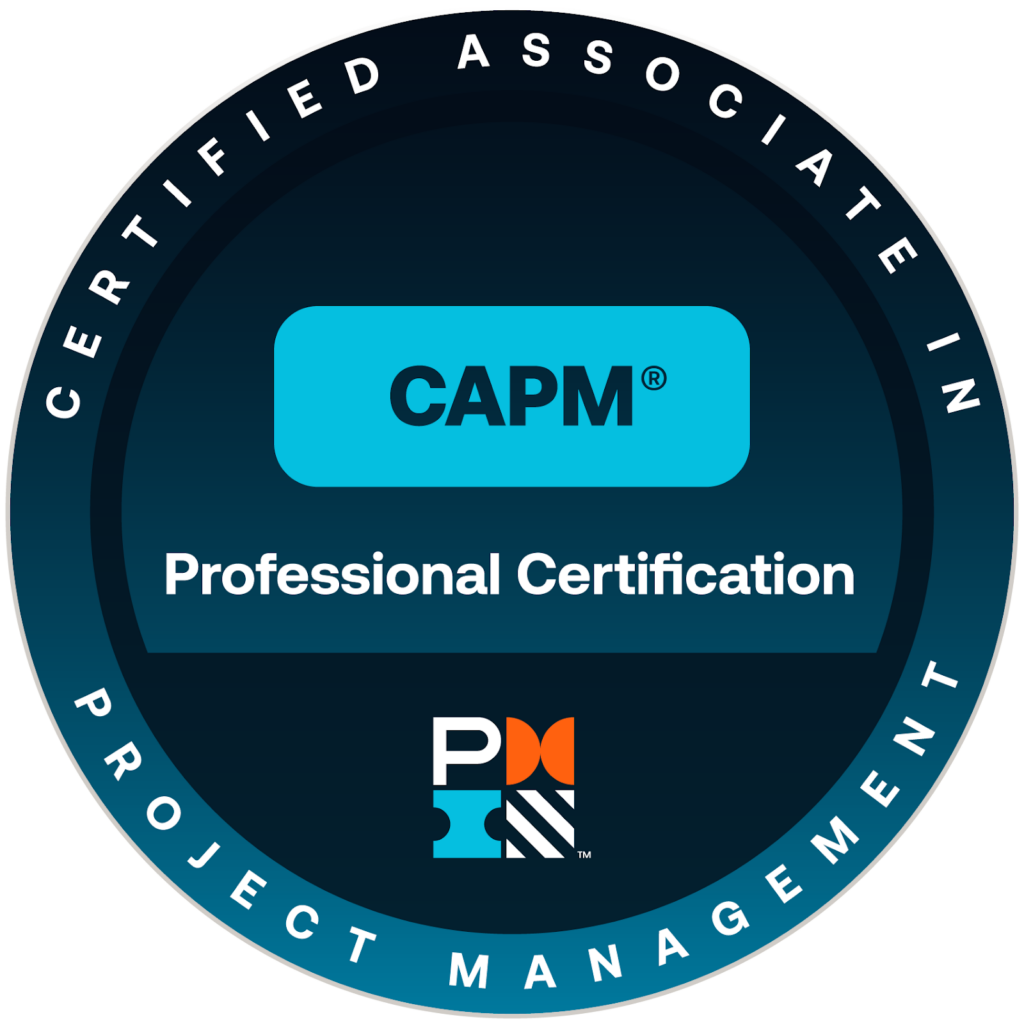
Entrepreneur.com ranks the CAPM certification #1 out of “The 9 Most In-Demand Professional Certifications.” The CAPM is perfect for those new to project management who want to build foundational knowledge before taking on more extensive responsibilities.
“Earning my CAPM took me from only being qualified for entry-level positions into an actual career path; it was just what I needed to be considered for a senior-level project management role at my organization.”
Melissa Lasky, Master Project Manager, Enterprise Data/Erie Insurance
Who It’s For
Entry-level professionals or career changers looking to break into project management.
Requirements
- A secondary degree (high school diploma, GED, or equivalent)
- 23 hours of project management education (this can also be a top PMP prep course)
Maintaining Your Certification
To maintain their CAPM certification, holders must earn 15 Professional Development Units (PDUs) in each 3-year cycle.
Pros
- No prior project management experience is required
- Affordable compared to other PMI certifications
- Builds foundational project management knowledge
- Great stepping stone toward PMP certification
- Recognized by employers hiring for junior PM roles
Cons
- Limited value for experienced project managers
- Requires renewal every five years with an exam
3. Program Management Professional (PgMP)

The PgMP is designed for experienced program managers. Unlike the more common PMP certification, which focuses on managing individual projects, the PgMP is about coordinating multiple related projects to achieve strategic business objectives.
Think of it like this: If a PMP-certified project manager is a great solo artist, a PgMP-certified program manager is the producer orchestrating an entire album. You’re not just ensuring one project is successful—you’re ensuring multiple projects align and deliver value on a grander scale.
Who It’s For
Senior project managers who oversee multiple related projects at a strategic level.
Requirements
- A high school diploma plus 4 years of project management experience or PMP certification and 7 years of program management experience
- A bachelor’s degree plus 4 years of project management experience or PMP certification and 4 years of program management experience
- A bachelor’s degree from a GAC-accredited program plus 3 years of project management experience or PMP certification and 3 years of program management experience
- (All experience within the past 15 years)
Maintaining Your Certification
To maintain certification, PgMP holders are required to earn 60 professional development units (PDUs) in each 3-year cycle.
Pros
- Demonstrates advanced program management expertise
- Helps transition into executive and senior leadership roles
- Higher earning potential than PMP-certified professionals
- Recognized globally by large organizations
Cons
- Requires significant experience managing multiple projects
4. Portfolio Management Professional (PfMP)
The PfMP is all about efficiency: according to PMI, organizations with mature project portfolio management practices complete 35% more of their programs successfully. If you’re already somebody who manages multiple portfolios of projects at once, the PfMP is a certification that will both validate your expertise and up your game as a job applicant.
Who It’s For
High-level professionals responsible for aligning multiple projects and programs with business strategy.
Requirements
- A high school diploma plus 8 years of professional business experience and 7 years of portfolio management experience OR
- A bachelor’s degree plus 8 years of professional business experience and 4 years of portfolio management experience OR
- A bachelor’s degree from a GAC-accredited program plus 8 years of professional business experience and 3 years of portfolio management experience
- (All experience within the past 15 years)
Maintaining Your Certification
To maintain certification, PfMP holders must earn 60 professional development units (PDUs) in each 3-year cycle.
Pros
- Proves expertise in portfolio-level decision-making
- Helps advance into executive-level PMO roles
- Increases credibility with senior leadership and stakeholders
- Recognized globally in enterprise-level organizations
Cons
- Requires extensive portfolio management experience
- Less commonly needed than PMP, so demand is lower
5. PMI-Agile Certified Practitioner (PMI-ACP)

If you work in agile project management or agile methodologies, this certification proves your ability to manage projects in adaptive planning environments.
“The PMI-ACP certification enhanced my communication and collaboration with stakeholders, driving successful transformation and measurable business value. It also provided a strong foundation to train others pursuing the PMI-ACP.”
Matt Craig, Pittsburgh PA
Who It’s For
Project managers working in Agile environments, especially in tech and software development.
Requirements
- Bachelor’s degree, GED, or equivalent
- 24 months/ 2 years of agile experience within the last 5 years (a current PMP® satisfies this requirement but is not mandatory)
- 28 hours of training in agile practices, frameworks, and methodologies (21 hours will be accepted until 31 March 2025).
Maintaining your Certification
To maintain certification, PMI-ACP holders must earn 30 professional development units (PDUs) in each 3-year cycle.
Pros
- Validates Agile knowledge across multiple frameworks
- More versatile than Scrum-specific certifications
- Growing demand as Agile adoption increases
Cons
- Limited value outside of Agile-focused industries
Final Thoughts
Choosing the right project management certification depends on your experience level, career goals, and industry needs:
- PMP is best for mid-career project managers looking to advance into leadership roles.
- CAPM is ideal for newcomers who want to build foundational knowledge and break into project management.
- PgMP is designed for experienced professionals managing multiple projects at a strategic level.
- PfMP is for those overseeing portfolios and aligning projects with business objectives.
- PMI-ACP is the best choice for project managers working in Agile environments.
Each certification has different requirements and benefits, so it’s important to choose the one that aligns with your career goals. Ultimately, the choice is yours. I wish you the best of luck on your journey, whichever certification you pick!
FAQs
The CAPM certification is best for beginners who want to start their project management education without significant experience requirements.
It depends on your own pace of study. On average, most candidates take 3 to 6 months to prepare for the PMP exam.
The exam cost varies by certification, with PMP around $555, CAPM around $300, and PgMP around $800.
Yes! A PMP certification boosts career prospects, salary potential, and project management credibility.
PMP-certified professionals work in IT, healthcare, construction, finance, and other industries that require project leadership experience.