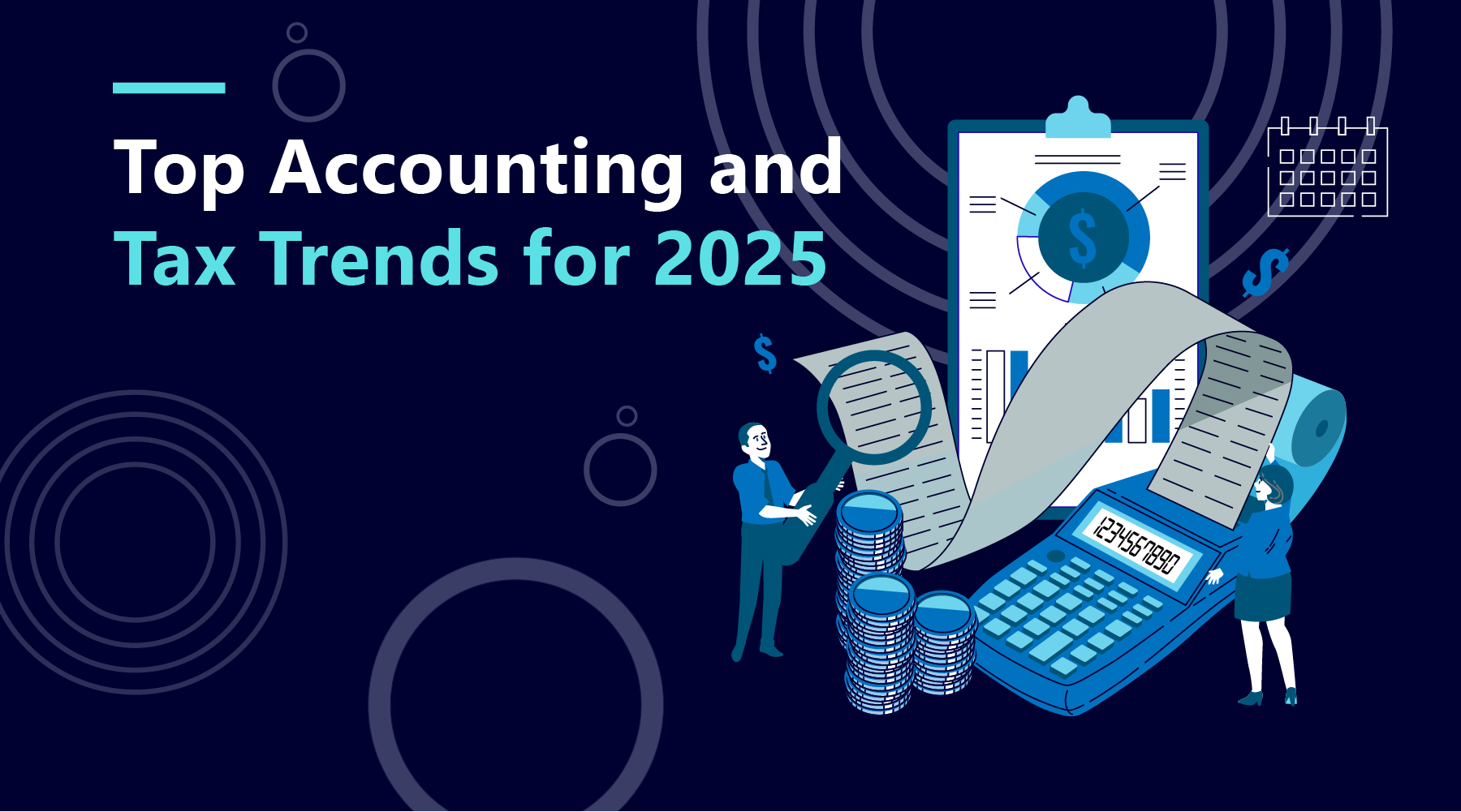
Since the world of accounting first started taking shape, a lot has changed. But one thing remains constant: the accounting landscape is always evolving.
With 2026 just around the corner, CPAs and other accounting and finance experts must stay ahead of the curve.
You might think keeping up with new tax laws, accounting technology, and changing client needs would be daunting. But it doesn’t have to be. By understanding the trends on the horizon and arming yourself with the right tools and resources, you can navigate this ever-shifting environment with confidence.
So, what should you be watching for in 2026?
From new tax policies to advancements in technology, here’s a rundown of seven trends that could impact your practice. Don’t worry — we’ll also highlight how Surgent CPE can help you adapt to all things tax.
Key Takeaways
- New tax laws: Prepare for significant changes as many provisions from the Tax Cuts and Jobs Act (TCJA) are set to expire, potentially impacting your clients’ tax obligations.
- Tech transformation: Embrace tools like AI, data analytics, and blockchain to streamline processes and provide deeper insights into client finances.
- Remote work adaptation: Adjust to the remote work environment by enhancing communication and maintaining strong client relationships.
- Advisory role expansion: Move beyond traditional services to offer tailored financial guidance that meets your clients’ unique needs.
- Continuous learning: Stay updated on tax and accounting trends through flexible CPA courses, ensuring you’re equipped to navigate the evolving landscape.
1. New Tax Laws and Policies
Several provisions from the Tax Cuts and Jobs Act (TCJA) are set to expire at the end of 2026, and this will affect the accounting industry in ways that aren’t quite clear.
Here are key points to consider:
Expiration of the TCJA: The clock is ticking! Many provisions from the TCJA will phase out, which could lead to major tax changes. This situation has sparked conversations among lawmakers about what’s in store for taxpayers in the coming year.
Income Tax Rates: Get ready for some changes in personal income tax rates that could affect your clients’ taxable income and overall returns. Experts forecast that the IRS will adjust tax brackets and other provisions by about 2.8% for the 2026 tax year. That’s the smallest inflation adjustment we’ve seen in at least three years. While some taxpayers might see a bit of relief, it’s likely to be less significant than in past years, so understanding these adjustments is crucial for anyone prepping personal income taxes.
Understanding Bracket Creep: It’s important to keep an eye on inflation adjustments to avoid “bracket creep.” This is when folks get pushed into higher tax brackets without actually seeing a bump in their standard of living. For instance, if a single taxpayer earns $48,000 in 2026, they will land in the 12% tax bracket, compared to being in the 22% bracket for that same income in 2024.
State Income Tax Adjustments: States are also looking at their tax policies, so CPAS need to stay updated on local laws that could impact clients. Some states might lower their tax rates to attract new businesses, while others could increase rates to cover budget shortfalls. Keeping your finger on the pulse of these tax changes will help you advise your clients better.
Tips for Accountants
- Stay Informed: Regularly review tax law and policy updates to keep your knowledge current and accurate.
- Utilize Resources: Enroll in Surgent CPE’s flexible online courses to stay current on the ever-changing tax laws and earn necessary credits at your convenience.
- Client Communication: Maintain open communication with your clients about potential changes in tax obligations and strategies to manage their financial plans effectively.
2. Emergence of Accounting Technology
The accounting world is getting a major tech upgrade, and it’s about time! With new tools coming into play, here’s what you need to know about tech-related accounting trends:
AI and Automation: Say goodbye to the days of tedious data entry! Artificial intelligence (AI) is taking care of those repetitive tasks. Imagine you could spend less time shuffling spreadsheets and more time brainstorming strategies with your clients. AI tools can automate processes like invoice handling and client inquiries, freeing you up to focus on the bigger picture. Plus, fewer manual tasks mean fewer chances for mistakes—win-win!
Data Analytics: By using data analytics, you can dive deep into your clients’ financials and pull out insights that really matter. Think of it like being a financial detective—uncovering trends, spotting inefficiencies, and predicting future performance. Want to help your clients optimize their operations? Data analytics lets you provide actionable advice that can make a real difference in their bottom line.
Blockchain Technology: If you’re not on the blockchain bandwagon yet, now’s the time! This tech is all about security and transparency. Picture a digital ledger that keeps track of every transaction, making fraud almost impossible. With blockchain, you can simplify audits and ensure that records are accurate and tamper-proof. It’s like having a super-secure safe for your clients’ financial data.
Tips for Accountants
- Embrace AI Tools: Check out AI-driven software that automates those annoying routine tasks. You’ll save time and be able to give more value to your clients.
- Leverage Data Analytics: Get comfortable with data analytics tools. They can help you turn numbers into insights your clients will appreciate, helping them make smarter financial decisions.
- Explore Blockchain Solutions: Stay in the loop about blockchain developments. This tech could be your secret weapon for enhancing security and transparency in your accounting practice.
3. The Shift to Remote Work
Remote work isn’t just a trend — it’s here to stay! While it comes with perks and challenges, understanding how to navigate this landscape is key.
Operational Efficiency: Adopting remote work means flexibility, but it also requires a shift in how you handle your accounting functions. You might need to rethink team collaboration and make sure everyone has access to the right tech tools. Finding ways to streamline processes can help your team stay productive, even from a distance.
Building Client Relationships: Keeping those client connections strong is more important than ever. You’ll want to flex those soft skills—communication and problem-solving will be your best friends here. Regular check-ins through video calls or virtual meetings can help maintain trust and ensure clients feel supported, even when you’re not in the same room.
Data Security Risks: With remote work, protecting sensitive data is crucial. Identity theft is a real concern, so it’s important to have solid measures in place to safeguard client information. Make sure you’re implementing strong cybersecurity protocols and educating yourself and your team on best practices to minimize risks.
Tips for Accountants
- Adapt Your Tech: Invest in tools that enhance remote collaboration. From project management software to secure file-sharing platforms, having the right tech can make all the difference.
- Enhance Your Skills: Enroll in CPE courses that focus on remote work best practices and cybersecurity. Staying updated will help you tackle new challenges head-on.
- Prioritize Communication: Make it a point to check in regularly with your clients. A quick call or virtual coffee can go a long way in maintaining strong relationships and trust.
4. Increased Demand for Advisory Roles
Clients are looking for more than just traditional accounting services. Here’s how you can adapt:
- Advisory Services: You’ll need to step into an advisory role, helping clients with tax strategies and financial planning to remain competitive. This includes understanding their filing status and financial goals. As clients face more complex financial decisions, your expertise in navigating tax implications will be invaluable.
- Tailored Support: Providing personalized advice based on individual client situations is becoming more important. Each client has unique needs, and you can help them navigate changes effectively. Consider developing tailored financial plans that account for the client’s long-term goals and the upcoming changes in tax policy.
Tips for Accountants
- Embrace Advisory Skills: Brush up on your advisory role skills by taking courses that focus on financial planning and tax strategies. This will help you provide more comprehensive support to your clients.
- Personalize Your Approach: Get to know your clients and their specific financial situations. The more you understand them, the better you can tailor your advice.
- Stay Informed: Sign up for Surgent CPE courses that keep you updated on the latest tax laws and advisory practices. Staying knowledgeable will ensure you can provide the best guidance possible.
5. The Importance of Continuous Learning
In a world that’s constantly changing, keeping your skills fresh is more important than ever. Here’s why continuous learning should be at the top of your to-do list:
Professional Development: Staying informed about tax laws, accounting standards, and technological advancements is crucial for providing accurate advice and maintaining credibility with clients. Surgent CPE is an example of a resource that offers timely courses covering everything from legislative updates to specialized tax strategies, helping accountants stay prepared for industry changes.
Flexible Learning Options: With options like live webinars, on-demand courses, and self-study programs, Surgent CPE demonstrates how flexibility in learning can accommodate busy professionals. Their courses allow you to learn on your schedule without missing out on the latest industry updates.
Networking Opportunities: Don’t underestimate the power of connecting with others in your field. Engaging in professional communities can provide valuable insights into emerging trends and best practices. By attending workshops, webinars, and conferences, you can build strong relationships with peers and industry leaders. These connections can be beneficial for future collaborations and referrals, opening doors you might not have considered before.
Tips for Accountants
- Invest in Courses: Consider resources like Surgent CPE’s Unlimited CPE Subscriptions, which provide access to a wide range of courses for a single fee. This approach ensures you can explore diverse topics aligned with your professional goals while getting the most value for your investment.
- Make Learning Convenient: Take advantage of the flexible learning options available. Choose the format that works best for you, whether it’s watching a recorded session during lunch or diving into a self-study module after hours.
- Network Actively: Don’t just attend events—engage with others! Ask questions, share insights, and build relationships that can support your career growth.
6. Growth in Sustainability Accounting
As businesses become more aware of their environmental impact, sustainability accounting is gaining traction. Here’s what you need to know:
Sustainable Practices: More companies are eager to adopt sustainable practices, and as a CPA, you’re in a prime position to help them track and report their efforts. Understanding how to measure and report on sustainability metrics is becoming increasingly important. Whether it’s carbon footprints, waste management, or energy efficiency, your expertise can guide clients in making informed decisions that benefit their business and the environment.
Green Financing: With green financing options on the rise, you’ll need to be ready to advise clients on how to take advantage of these opportunities. This could range from helping them secure renewable energy tax credits to navigating sustainability-linked loans. By staying informed about these options, you can help your clients reduce their environmental impact while also improving their financial outcomes.
Tips for Accountants
- Learn the Metrics: Familiarize yourself with key sustainability metrics and reporting standards. This knowledge will position you as a valuable resource for clients looking to enhance their sustainability efforts.
- Explore Green Financing Options: Stay updated on the latest trends in green financing. Understanding the benefits and requirements of these opportunities will allow you to offer informed advice to your clients.
- Encourage Sustainable Practices: Advocate for sustainability within your own practice. By implementing eco-friendly practices, you can set an example and show clients that you’re serious about promoting sustainability.
Conclusion
As we approach 2026, the accounting landscape is poised for significant changes that will require careful attention and adaptability. With many provisions from the Tax Cuts and Jobs Act set to expire, it’s crucial for CPAs to prepare for the potential impacts on their clients’ tax obligations. Embracing emerging technologies like AI, data analytics, and blockchain can streamline processes and enhance the insights you provide. Additionally, as remote work becomes the norm, maintaining strong communication with clients will be essential.
Expanding your role to offer personalized financial guidance will help you meet your clients’ evolving needs. Finally, committing to continuous learning through resources like Surgent CPE will ensure you stay current on industry trends and best practices. By staying informed and proactive, you can successfully navigate the changes ahead and continue to provide exceptional value to your clients.
FAQs
The latest tax trends include changes in tax laws, particularly the expiration of provisions from the Tax Cuts and Jobs Act (TCJA), which could lead to significant adjustments in tax rates and brackets. Accounting firms should also focus on integrating technology and data analysis to enhance their services and stay competitive.
To ensure data security, accounting professionals should implement strong cybersecurity protocols, such as using secure file-sharing platforms, regularly updating software, and educating team members about best practices for protecting sensitive information.
Understanding state income tax is crucial because tax rates and regulations can vary significantly by state. This knowledge helps accountants provide tailored advice to clients, ensuring they comply with local laws and take advantage of potential tax savings.
Changes in personal income taxes can directly impact a client’s taxable income by altering tax rates and brackets. This means clients may pay more or less in taxes based on their income level, so accountants need to stay informed about these changes to advise clients effectively.
Accounting automation streamlines accounting processes, reducing the time spent on manual tasks like data entry and calculations. This leads to more accurate financial statements and faster reporting, allowing accountants to focus on strategic analysis and decision-making for their clients.


![Gleim Promo Codes – Save $1,200 on CPA, CMA, CIA, EA [$50 Amazon Card]](https://www.miamiherald.com/careers-education/wp-content/uploads/sites/2/2025/11/Gleim-Promo-Codes-feature-img.png)