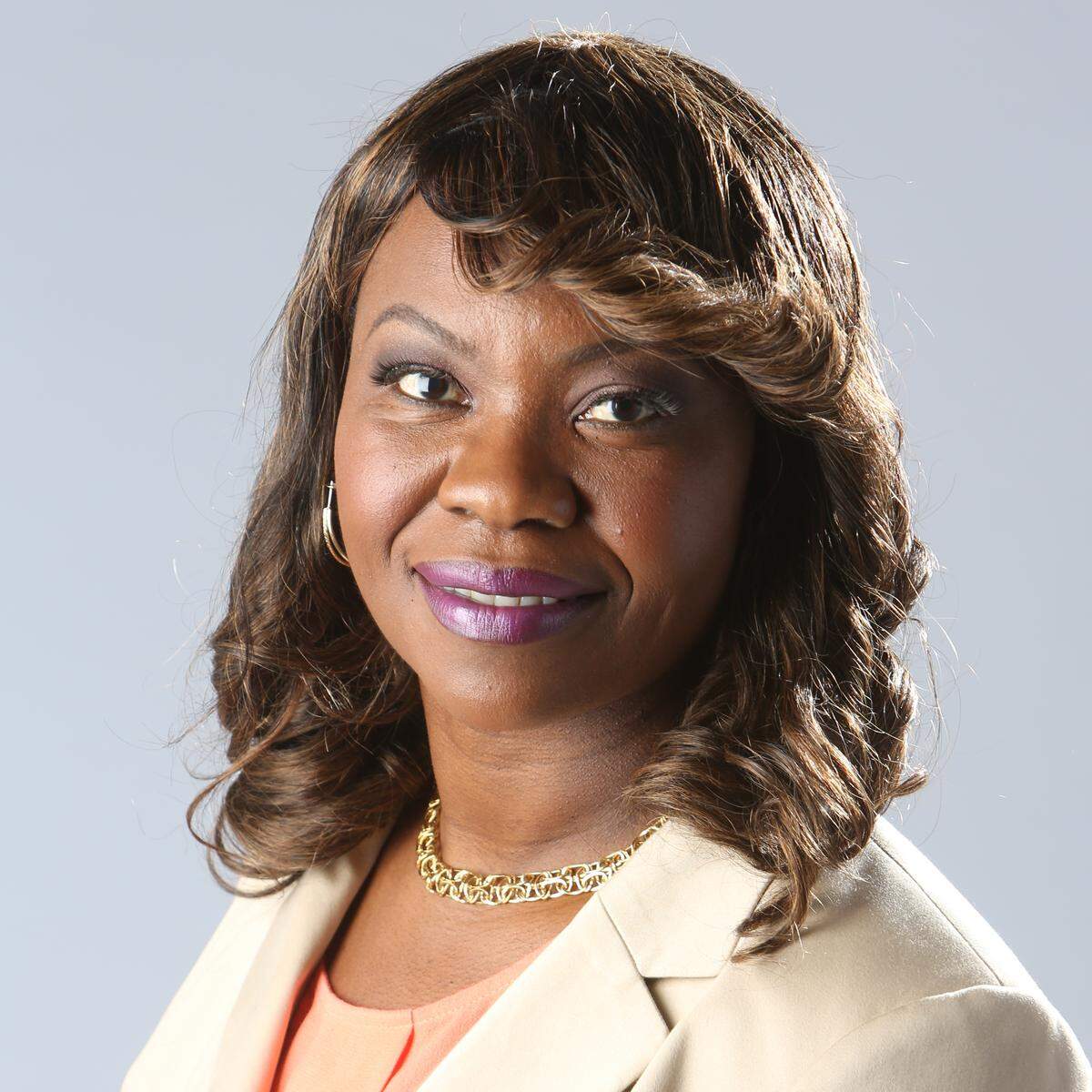
Situation in Haiti demands urgency, top State Department diplomat says
Helping Haiti create conditions for elections and bringing improvements to its beleaguered police force remain key priorities for the international community, a top ranking State Department official said Thursday following a high-level meeting about the crisis-wracked Caribbean nation.
“The world is a busy place, and we’re dealing with a range of issues from the Russian invasion of Ukraine to the migration crisis around the world, to inflation and economic dislocation,” said Brian A. Nichols, the assistant secretary of state for Western Hemisphere Affairs. “But the fact that we were able to bring together dozens of countries and organizations to again focus on Haiti for the third time in five months, is a testament to the fact that we’re not going to let this issue lie. We are committed, and we’re going to move forward.“
Nine months after the assassination of Haitian President Jovenel Moïse, Haiti’s politicians and civic leaders remain at loggerheads over the deepening political crisis while the population is growing increasingly frustrated with gang-related violence and kidnappings, and an economy in free-fall.
Despite calls for Haitians to come together, however, the talks have failed with protesters last month taking to the street to demand the resignation of Prime Minister Ariel Henry.
“The only way we get out of this is elections and a new government,” Nichols told the Miami Herald in an interview. “We need the people of Haiti to democratically select their leaders.”
Nichols said foreign partners are continuing to stress the need for the country’s various leaders to come together to help find a path forward out of its downward spiral.
“Negotiations are not going to result in a completely new government, they’re going to result in a path forward towards elections, and the restoration of democracy,” he said. “We can’t have people just carving up the pie in any different way.“
Thursday’s meeting brought together a growing list of international partners and foreign governments following similar meetings hosted by the U.S. and Canada. A total of 27 teams participated, and a fourth Haiti International Partners meeting is scheduled for July.
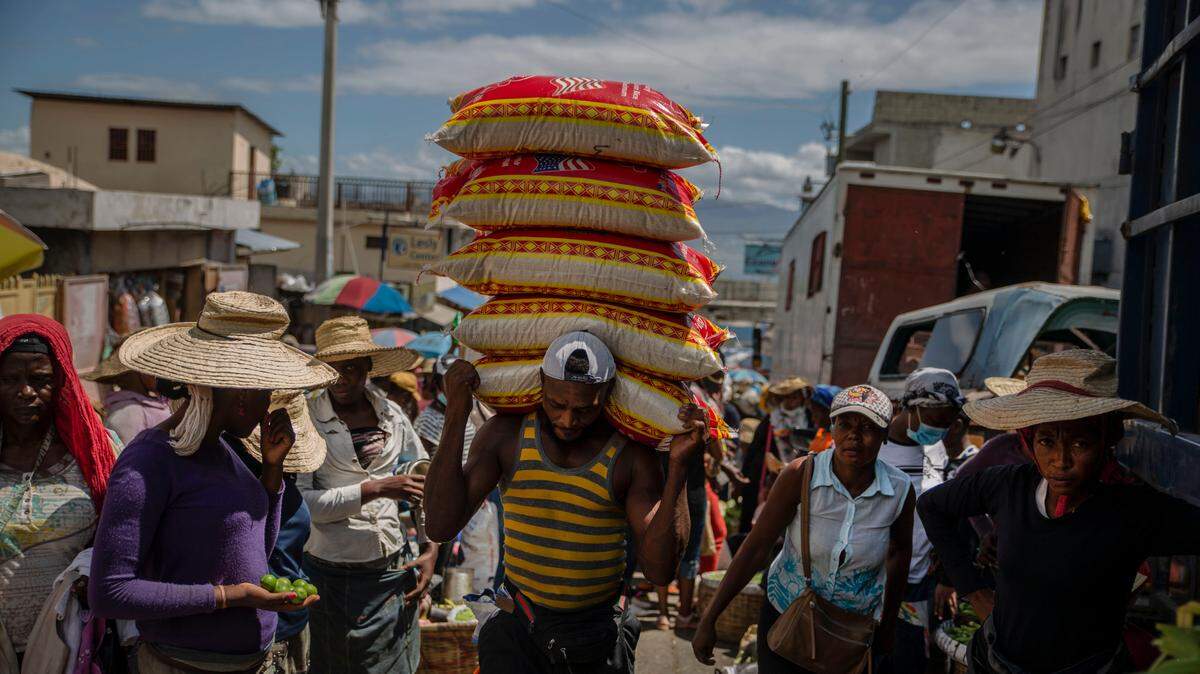
The discussion opened up with Haitian Foreign Minister Jean Victor Géneus giving “a stark assessment” of the situation in Haiti, where the population is still reeling from Moïse’s still unsolved assassination, and the rampant rise in gang-related kidnappings and criminality along with higher food and fuel prices are pushing some to leave by risking their lives on the high seas.
Since December, Nichols said international partners and organizations have made more than $140 million in additional commitments that include training for the Haitian Coast Guard and Haiti National Police, which has received 60 new vehicles from the U.S. government as well as other equipment. Other commitments have also been made toward health, economic growth and disaster preparedness.
Attendees also discussed the help that they plan to bring around policing, security and electoral preparations. Additionally, there was a discussion about the fate of the U.N. special political mission, and the need to support a renewal of its mandate in July.
“We’re working on HNP SWAT development, along with the French,” Nichols said, adding that 16 police advisers have also been embedded within the force. “We’ve gotten policing assistance from France, Brazil, Canada.”
He acknowledged that given the state of the force it will take some time before it is up to par, but said Haitians could begin to “see visible progress by midsummer.”
“That’s when we expect to see the SWAT and anti-gang units more operational and I think that’s going to make a significant difference,” Nichols said.
Improving Haiti’s security environment is a key condition for elections, which attendees stressed.
“There was unanimity and the importance of a conditions-based scenario for elections and pushing the parties in Haiti to come together around a Haitian-led solution,” Nichols said.
Nichols added they are aware that Henry has been “sort of floating names” of individuals who should serve on a nine-member Provisional Electoral Council with civil society groups and “they’re going to have to come together around that.”
“We can’t force this on them. However, a CEP is a necessary precondition, along with improved security for elections.,” he said.
The situation in Haiti, he noted, demands urgency.
“We believe we have to work urgently to address these problems,” Nichols said. “It’s a sense of urgency that we owe the Haitian people a better future, we’ve got to work with them and support them to get them. And that means develop, deploying resources on the ground to help Haitians get there, but also putting pressure on the actors in Haiti to come together.”
This story was originally published April 21, 2022 at 8:43 PM with the headline "Situation in Haiti demands urgency, top State Department diplomat says."