Florida Keys fish kill: 28 endangered sawfish dead. Scientists perplexed by the cause
Sheila Bockoven paddle boarded through the mangrove canals near her Big Pine Key home on Tuesday.
Instead of the relaxing sights and sounds of nature she expected, Bockoven was greeted with a horrific display of nine dead sharks floating on the shallow water’s surface, a dead tarpon and a dead snook. That wasn’t all.
“A hand full of fish, not sure what kind. But a lot more in the mangroves that I can’t get to,” she told the Herald. “The more I looked, the more I saw, if you look deep in there you could see them floating.”
What Bockoven encountered is part of an ongoing fish kill that began in November with anglers noticing odd spinning behavior of sick and dying fish. Since then, the Florida Fish and Wildlife Conservation Commission has received 365 reports to its fish kill hotline, said spokesman Jonathan Veach.
So far, the phenomenon has been confined to the Lower Keys area of the island chain, from Big Pine Key down to Key West.
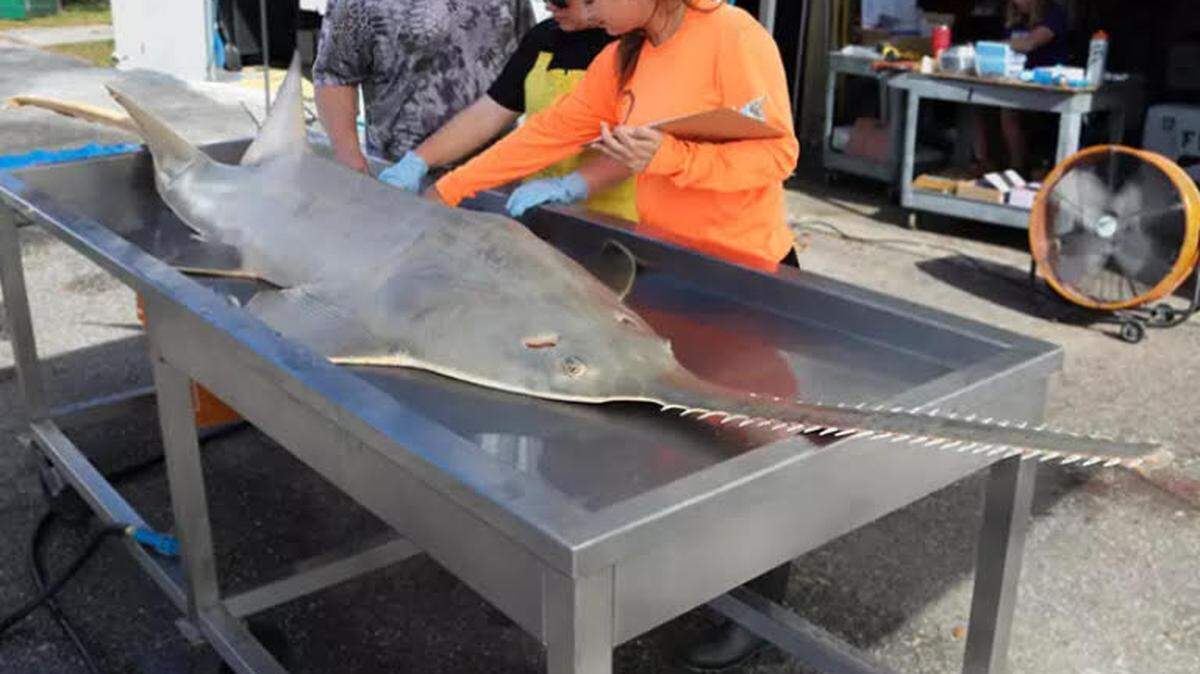
Scientists and fishermen became even more concerned in January when endangered smalltooth sawfish, a shark-looking ray with a serrated rostrum, started turning up dead in the area. Their numbers, once high from Texas to North Carolina have dwindled to the point in recent years to where they are only found in South Florida.
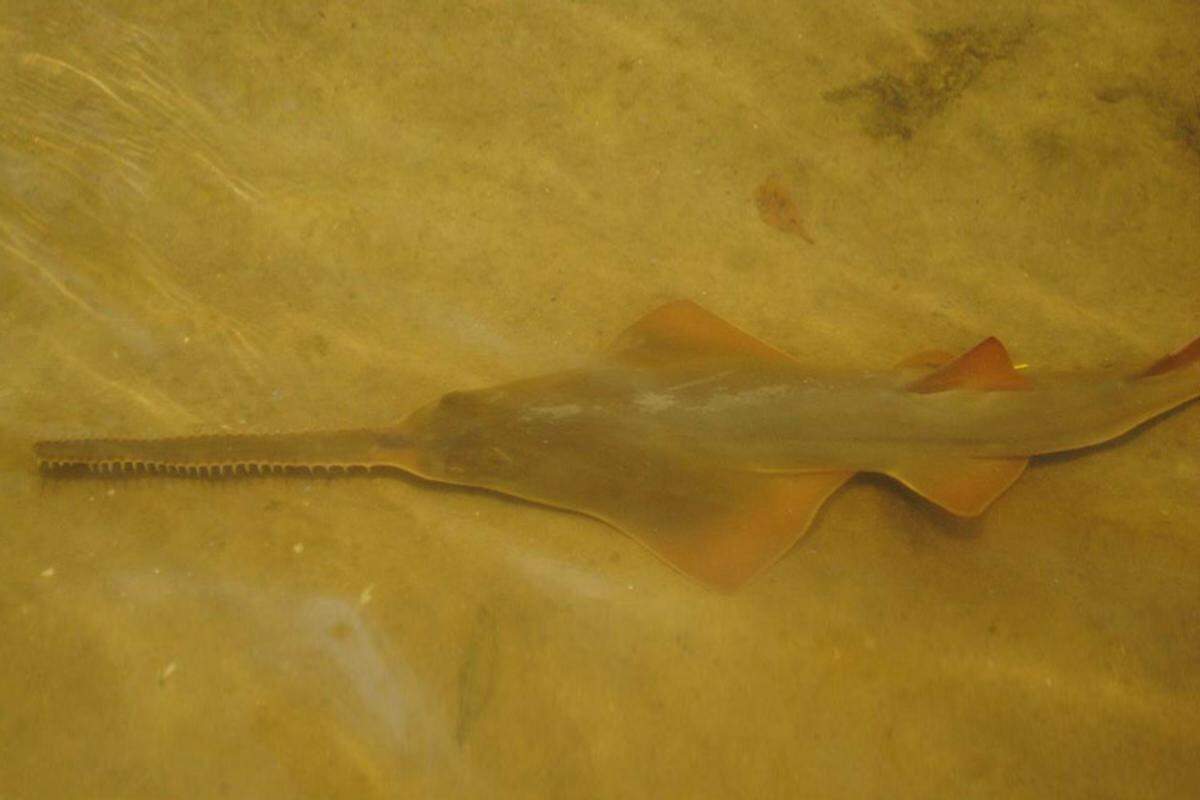
They were placed on the Endangered Species List in 2003. Their decline is blamed largely on their saw-like rostrums becoming entangled in commercial fishing nets.
Since Jan. 30, 28 sawfish have been found dead in the Keys, according to the FWC.
Biologists with multiple agencies and universities are investigating if the deaths of the sawfish are related to the broader fish kill.
“Some sawfish have exhibited whirling behavior before dying,” the FWC says on its site devoted to the Keys fish kill. “At this time, the cause of this abnormal behavior and these mortalities is not known.”
The fish kill so far has impacted more than 20 species, from silver mullet to tarpon, snook, mangrove snappers and even lemon sharks.
What’s causing the fish to die?
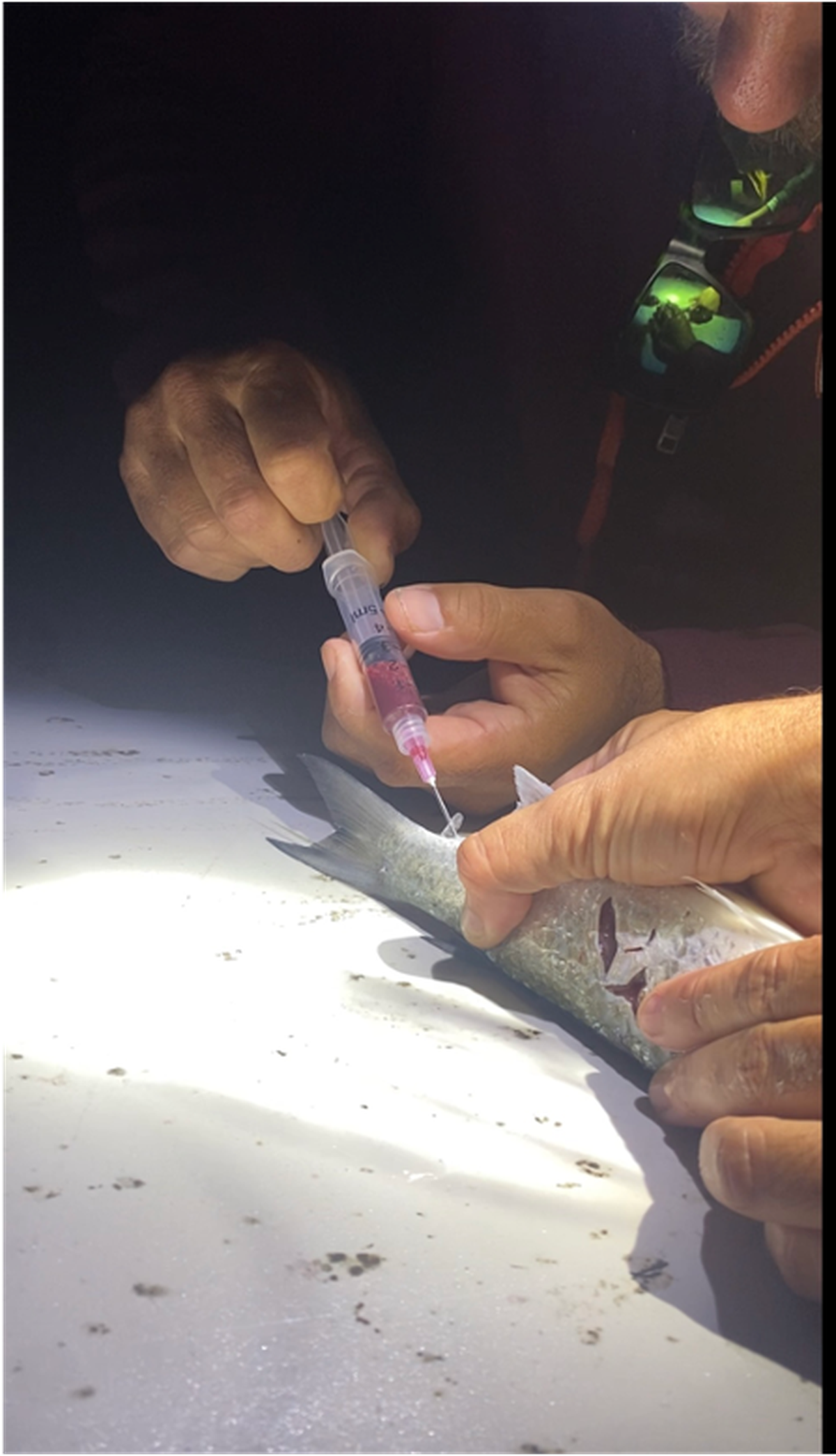
To date, scientists have not figured out what is causing the fish to die, nor their odd behavior when they become ill.
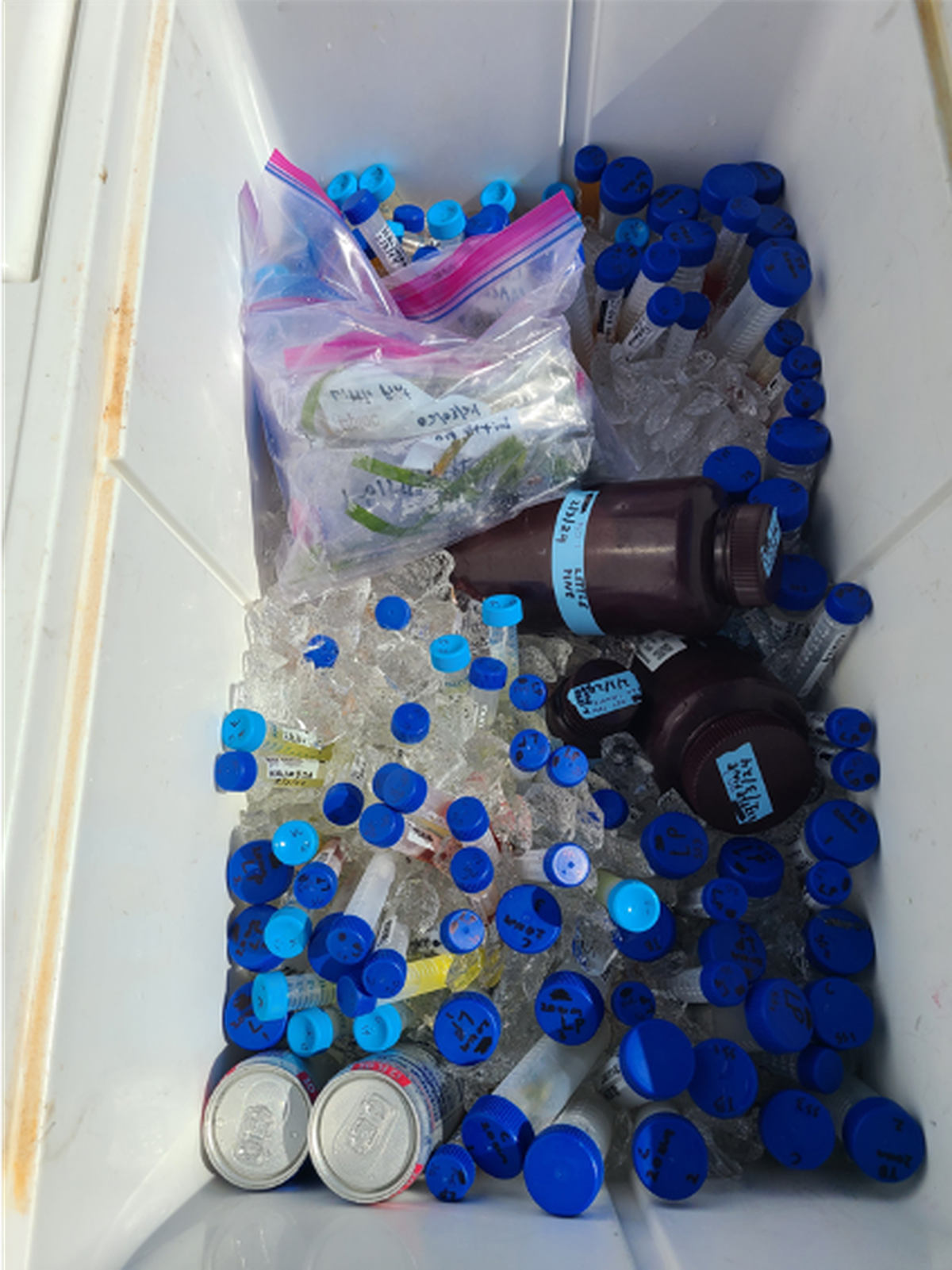
On the case with the FWC is the Bonefish and Tarpon Trust — a South Florida fisheries conservation group — the Lower Keys Guides Association and biologists with Florida International University, the University of South Alabama, the Florida Department of Environmental Protection and Florida Gulf Coast University.
The only good news is that red tide toxins have not been detected so far in any of the water samples taken by scientists in the impacted area, Veach said.
And necropsy data taken from dead fish samples so far has not turned up any communicable pathogens and the fish were negative for bacterial infections, according to the FWC.
The main lead thus far is a toxin called gambierdiscus that causes a food-borne illness called ciguatera in people who eat infected fish. The toxin has long been known to be present in fish in the Keys because it grows as a micro algae on coral reefs in tropical and subtropical waters like those surrounding the archipelago.
Fish that feed off the reef ingest the toxin in their flesh, and it moves up the food chain as those fish are eaten by bigger fish. Experts have long warned against eating large predator fish like barracuda, although restaurant favorites like mahi mahi, hogfish and grouper can also carry ciguatera, scientists say.
‘It’s not OK’
People poisoned from eating fish containing the toxin experience unpleasant gastrointestinal, neurological and even cardiac symptoms that typically resolve within a few days, but could last weeks, according to Johns Hopkins School of Medicine. It’s odorless and colorless and can’t be eliminated by cooking the fish.
Michael Parsons, a professor of marine science and director of the Vester Field Station at Florida Gulf Coast University in Fort Myers, told the Herald that biologists are looking at new or “potentially unknown” toxins in the water as well, but remain focused on gambierdiscus.
“None of this is cause and effect, but are still supporting our primary hypothesis that the fish behavior is related to elevated populations of the [microscopic algae], gambierdiscus,” Parsons said in an email Wednesday.
The difficulty with the gambierdiscus theory is that so far, there have not been reports of more people getting sick with ciguatera in South Florida than usual, Parsons said.
While fish can accumulate enough ciguatoxins to ultimately die, many fish in areas where ciguatera is present will have low levels in them — not enough to kill them, but enough to make people eating them sick.
“Next steps are to develop experiments to link the fish behavior to these compounds and see if we can establish cause and effect,” Parsons said. “Not quite ready for that yet, but working towards that goal over the next few weeks.”
Bockoven posted a video of the dead fish she saw on Tuesday. In it, she becomes increasingly more upset as she makes her way through the canal, encountering more death as she goes.
“You guys can’t tell me that this is ok, because it’s not ok,” she says.
To report any unhealthy, injured or dead sawfish, contact the FWC Sawfish Hotline at 844-472-9374 or via email at Sawfish@myfwc.com with the date, time and location of the encounter, estimated length, water depth and any other relevant details.
See also NOAA’s smalltooth sawfish safe handling and release procedures. Report abnormal fish behavior, fish disease, fish kills to FWC’s Fish Kill Hotline either through the web form MyFWC.com/ReportFishKill or by phone 800-636-0511.