
You want to buy a manufactured home but aren’t sure if you can use a VA loan to finance the purchase. The good news is you may be in look if the property meets specific standards. Keep reading to learn more about the requirements to get a VA loan for a manufactured home and what to expect when you apply for a mortgage.
What are Manufactured Homes?
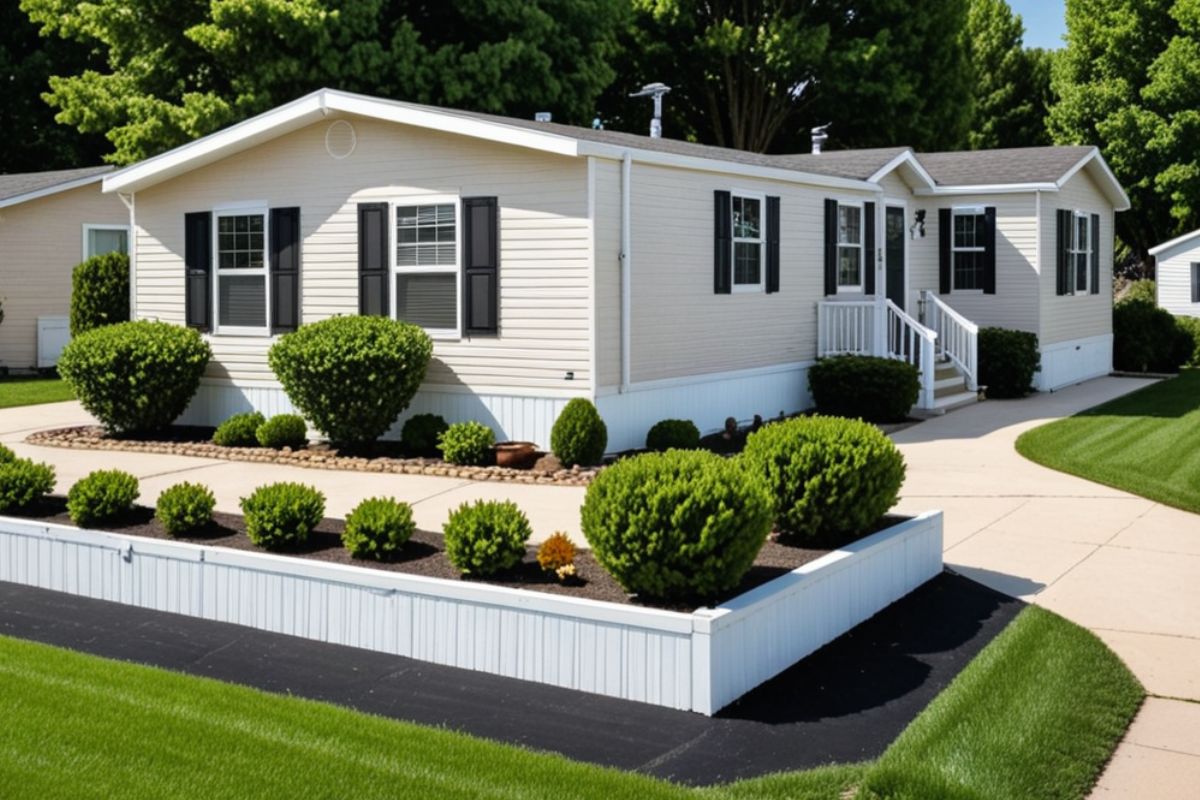
As the name suggests, a manufactured home is constructed in a factory using a permanent steel frame that meets the federal Manufactured Home Construction and Safety Standards. Once the house is ready, it is transported to the land where it will reside for installation.
Can You Use a VA Loan on a Manufactured Home?
Yes, VA loans are accessible for the purchase of manufactured homes.
What is a VA Loan?
A VA loan is a mortgage insured by the U.S. Department of Veterans Affairs (VA). It’s reserved for active-duty service members, veterans and qualifying spouses and comes with a competitive interest rate. Plus, borrowers get the luxury of not having to make a down payment or pay private mortgage insurance (PMI) as you would with a conventional loan.
Eligibility Criteria for VA Loans
To qualify for a VA loan, you must have a Certificate of Eligibility (COE) to prove you meet the service requirements. Lenders also impose credit, income and DTI guidelines to determine your eligibility for funding.
What Types of Manufactured Homes Qualify for a VA Loan?
For starters, the home must be used as your primary residence. The VA also requires that it be classified as real property, affixed to a permanent foundation, conforms to both the HUD code and other local building codes and contains at least 700 square feet of interior floor space.
Is It Harder to Get a VA Loan for a Manufactured Home?
You may encounter a few more challenges when applying for a VA loan for a manufactured home. It must meet the guidelines outlined in the previous section and the minimum square footage requirement.
The Benefits of Using a VA Loan for a Manufactured Home
There are several perks to using a VA loan to finance your manufactured home purchase.
Lower Interest Rates
VA loans offer some of the most competitive interest rates on the mortgage market. This means you’ll incur lower borrowing costs over the life of the loan, and your monthly mortgage payments could be far more affordable.
No Down Payment Requirement
Another major draw of VA loans is the ability to secure 100% financing. So, you’ll be off the hook for a down payment, which could mean purchasing a home sooner, even if you don’t have a hefty amount or reserves.
No Private Mortgage Insurance (PMI)
You also won’t pay PMI on a VA loan. However, it’s generally required on traditional mortgages if the down payment is less than 20% and can add several hundreds of dollars to your monthly mortgage payments.
Flexible Credit Requirements
The VA does not have preset credit guidelines. That said, lenders usually require a score of 640 or higher for approval. A lower credit score could still work but with other compensating factors, like a low DTI or sizable reserves.
What are the Requirements to Get a VA Loan for a Manufactured Home?
Below is a closer look at the eligibility guidelines as they relate to VA loans for manufactured homes.
Service Requirements for Veterans and Active Duty Members
Only eligible service members and veterans qualify for VA loans. Active duty members must serve at least 90 continuous days. During wartime, veterans need at least 90 days of active service. During peacetime, 181 days are required.
National Guard or Reserve members need six credible years of service or 90 days of active-duty service. If discharged due to service-connected disability, the time requirement is waived. You must also have a discharge status other than dishonorable.
Credit Score and Income Requirements
A credit score of 640 (or as low as 620) could be enough to qualify for funding, depending on the lender. Keep in mind that a stronger credit score could boost your approval odds. The lender will also want proof of consistent, verifiable income sufficient to cover your monthly mortgage payments.
Your debt-to-income (DTI) is another factor assessed during the application review process. It shows the percentage of monthly gross income used to cover debt obligations, which should be 41% or lower. A high DTI could mean you’re overextended, but some lenders may be open to working with you.
Property Requirements for Manufactured Homes
As previously stated, the home must be classified as real estate, permanently affixed to a foundation and in compliance with HUD guidelines. It should also reside on residentially zoned land and meet the VA’s square footage requirement for manufactured homes.
Required Documentation
Prepare to provide your COE. Lenders will also request income documentation, including pay stubs, W-2 forms and/or tax returns.
VA Loan Manufactured Home: The Application Process
If you’re ready to move forward with the application process, here’s what you need to do.
Finding a VA-Approved Lender
Not all lenders offer VA loans, so you’ll need to do a little legwork to find viable options. And don’t settle for the first VA lender you find. Make a list of at least three and compare terms and interest rates. Most importantly, look for lenders with experience funding manufactured home purchases.
Pre-qualification and Pre-approval
Get pre-qualified to determine your eligibility for a VA loan and your borrowing power. You’ll need to provide basic financial information to start the process.
If you’re potentially eligible for funding, you’ll move on to the pre-approval phase, which calls for a more detailed review of your finances. So, you’ll need to provide the lender with proof of income, including bank statements, pay stubs, W-2 forms and possibly tax returns.
A pre-approval holds more weight than a pre-qualification and shows the seller you mean business.
Choosing and Appraising the Manufactured Home
This is arguably the most exciting step in the process. When scoping out your top picks, ensure the home meets both VA and HUD standards. An appraisal by a VA-approved appraiser is also mandatory to ensure the home complies with VA standards and is worth the sales price.
Closing
In the final stage of the VA lending process, you’ll review and sign the loan documents to seal the deal. You’ll also need to pay closing costs unless you opt to have them rolled into the loan balance.
The final step is to receive the keys to your manufactured home.
Common Pitfalls and How to Avoid Them
Here are some common mistakes to avoid when using a VA loan to buy a manufactured home.
Understanding Property Standards
The VA imposes strict property standards that the home you’re purchasing must adhere to if you want to secure a purchase loan. To avoid disappointment, familiarize yourself with the requirements, ask the lender any questions you may have in advance and work with a real estate agent with extensive knowledge of VA property guidelines for manufactured homes.
Escrow and Insurance Considerations
Escrow accounts hold funds for property taxes and homeowners insurance premiums. You can cover these costs independently, but escrowing them into your mortgage helps ensure you remain current and protect your financial interests.
Manufactured homes often have unique insurance needs, and you can avoid putting your assets at risk with adequate coverage. Keeping up with property taxes is equally important to avoid foreclosure.
Potential Delays and How to Mitigate Them
Stringent appraisal requirements and documentation issues can lead to delays in the lending process. To avoid hiccups, be sure to communicate often with the lender and submit any requested documentation promptly.
Conclusion: Final Considerations and Tips to Get a VA Loan Manufactured Home
If you’re considering a VA loan to finance a manufactured home, it’s essential to understand property requirements and eligibility guidelines. This will help streamline the lending process and avoid disappointment later on.
Frequently Asked Questions on VA Loan Manufactured Home
Yes, VA loans can be used for mobile homes located in parks, but with some conditions. The mobile home and park must meet VA conditions.
The VA does not set a strict maximum loan limit for manufactured homes, but it does set a limit based on the county’s maximum conforming loan limit. In 2024, the limit in most areas is $726,200.
The approval process for a VA loan on a manufactured home can vary, but it typically spans 30 to 45 days. However, factors like documentation, property appraisal, and meeting VA requirements can affect processing timelines.
Yes, refinancing options are available. If you already have a VA loan, you might consider the Interest Rate Reduction Refinance Loan (IRRRL). Another option is the VA Cash-Out Refinance, which lets you take cash from your home’s equity.