

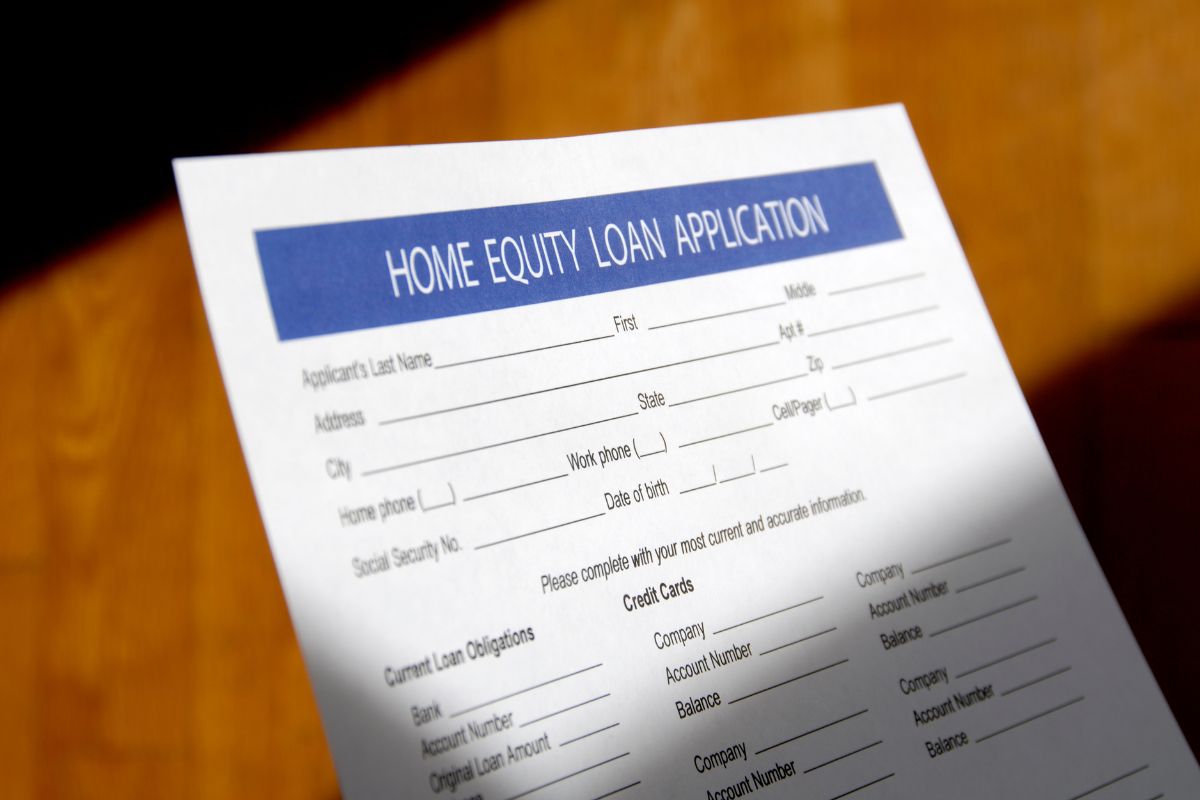
A home equity line of credit (HELOC) is a flexible way for homeowners with a sizable amount of home equity to access cash. It operates like a credit card, and you only pay interest on the amount you borrow. This comprehensive guide dives into how HELOCs work, how they differ from home equity loans, the terms and conditions to expect and how they are commonly used. It also covers the key benefits and drawbacks to be aware of, the eligibility requirements and what to expect when you apply for funding.
What is a Home Equity Line of Credit (HELOC)?
A HELOC is a type of debt product that lets you tap into your home equity. It’s a secured revolving line of credit that uses your home as collateral, and you can borrow against it as needed up to the credit limit.
How Does a HELOC Work?
Here’s a closer look at the inner workings of HELOCs.
Credit Limits and Borrowing Periods
Most lenders allow you to borrow up to 85% of your home equity, or the amount of it you own outright. So, if your home is valued at $295,000 and your current mortgage balance is $155,000, you could potentially get a HELOC of up to $95,750 ($295,000 * .85 – $155,000).
You should also know about the draw period or the window you get to withdraw funds. It’s typically between 5 and 10 years, and most lenders require interest-only payments until it ends.
Repayment Period and Interest Rates
The repayment period usually spans 10 to 20 years, assuming you have a principal balance when the draw period ends. Your monthly payments will be adjusted to include both principal and interest, so expect to pay much more during this time.
Keep in mind that interest rates on HELOCs are typically lower than what you’ll find with traditional loan products since they are secured.
Variable vs. Fixed Interest Rates
HELOCs often come with a variable interest that changes with market conditions. So, the amount you pay from month to month during the draw period and repayment period will change.
How a HELOC Differs from a Home Equity Loan
Both allow you to convert your home equity into cash. However, a home equity loan is a type of installment loan disbursed in a lump sum and payable in equal monthly payments over a set period.
It also acts as a second mortgage, and the loan amount is based on the equity you have in your home. Like HELOCs, the limits are generally capped at 85% of your home equity.
Understanding HELOC Terms and Conditions
Before applying for a HELOC, you want to familiarize yourself with the terms and conditions of these loan products.
Introductory Rates
To attract customers, lenders sometimes offer introductory rates on HELOCs that are lower than the standard variable rates. The promotion can last six to 12 months and save you interest at the beginning of the draw period.
Draw Period and Repayment Period
Again, the draw period represents the window of time during which you can withdraw funds, repay and borrow again from the HELOC. Once it ends, the repayment period commences, and you’re prohibited from making additional withdrawals.
Minimum and Maximum Withdrawal Limits
It varies by lender, but many have a minimum withdrawal limit. The maximum amount you can withdraw is based on your credit limit, which is determined by your home equity, creditworthiness and other financial factors. As a reminder, lenders typically cap HELOCs at 85% of your home equity.
Early Closure Fees
If you haven’t used the HELOC for some time, it can be tempting to close it. However, be aware of potential early closure fees that may apply if you decide to close the account prematurely.
What are the Common Uses of HELOCs?
You’re free to use the funds you pull from a HELOC however you see fit. However, most homeowners leverage the resources for these reasons.
Home Renovations and Improvements
Making the right home upgrades can boost your property value and help you turn a larger profit when you sell. Popular projects include kitchen remodels, bathroom upgrades and room additions.
Debt Consolidation
Many homeowners also use the funds to consolidate high-interest debts, especially if they can secure a lower rate than they’re currently paying. Consolidating makes it easier to manage your debt load and can help lower the amount you pay monthly.
Education Expenses
Using a HELOC to fund education can be a smart way to access needed cash. This option is popular for paying college tuition, purchasing textbooks or covering other school-related costs.
Emergency Funds
A HELOC can also serve as a safety net for unexpected expenses. This could include medical bills, sudden repairs, or other emergencies. Having a HELOC in place means you have quick access to funds without depleting your savings.
The Advantages of a HELOC
HELOCs offer several key benefits.
Flexibility in Borrowing
You can borrow what you need and only pay interest on this amount. Plus, the line replenishes as you make payments towards the principal, and you’re free to borrow again up to the credit limit.
Potential Tax Benefits
If you use the funds you pull to improve your home, you could qualify for a tax deduction on the interest paid on the HELOC. Speak with a licensed tax professional to learn more about this benefit or to determine if you qualify.
Lower Initial Interest Rates
HELOCs are secured by your home, which equates to reduced risk for the lender. In turn, you can potentially qualify for a lower interest rate initially than you would with a traditional credit product. And the introductory interest promotions often offered by lenders can help sweeten the deal.
The Disadvantages of a HELOC
There are also drawbacks of HELOCs to be aware of.
Variable Interest Rate Risks
A major disadvantage of HELOCs is the variable interest rate they often come with. This makes your monthly payments and borrowing costs fluctuate, which could present challenges for your spending plan.
Possibility of Losing Your Home
Again, HELOCs are secured by your home. This means missing payments can put you at risk of foreclosure if the lender decides to recoup its losses.
Impact on Credit Score
A HELOC can impact your credit score in multiple ways. For starters, the application process usually involves a hard credit inquiry, which can temporarily lower your score.
Managing a HELOC also affects your credit utilization ratio, which is the amount of available credit you’re using. High utilization can negatively affect your score.
Furthermore, missed payments or defaulting on your HELOC will have a severe impact on your creditworthiness. And they can make borrowing more difficult and expensive in the future.
Associated Fees and Costs
HELOCs come with their fair share of fees. You’ll pay closing costs to seal the deal, and some lenders charge account maintenance fees that apply as long as the account is open.
How Do You Qualify for a HELOC?
Lending guidelines vary by lender. However, there are some general requirements to keep in mind before applying.
Eligibility Criteria
To qualify for a HELOC, you should have at least 15% to 20% in home equity. Lenders also assess your employment history to confirm it’s stable. Your income should be sufficient to comfortably cover loan payments.
Credit Score Requirements
A credit score of 620 could be enough to qualify for a HELOC. However, the best terms are generally reserved for borrowers with credit scores of at least 700.
Debt-to-Income Ratio
Your debt-to-income (DTI) ratio, or the percentage of monthly gross income used to cover debt payments, should not exceed 43%.
Combined Loan-to-Value Ratio (CLTV)
Another important factor is the combined loan-to-value (CLTV) ratio. This ratio compares the total outstanding balance of all loans secured by your home to its current market value.
Lenders typically require a CLTV ratio below 85% for HELOC approval. This ensures that you still have enough equity in your home after taking out the HELOC.
How to Apply for a HELOC
The application for a HELOC involves the following steps.
Pre-Application Steps
Assess your financial health and creditworthiness to gauge your chances of getting approved for a HELOC. You should also have a clear purpose for the HELOC.
Consider the purpose of the HELOC. It’s crucial to have a clear reason for needing the funds. Whether it’s for home improvements, debt consolidation, or other expenses, outlining your purposes helps with planning for future draws and expenditures.
Necessary Documentation
Gather all the documents you need to apply in advance to avoid delaying the processing of your loan application. You’ll need to provide proof of income, like pay stubs or tax returns, to show you have the means to repay the loan.
Your employment history also matters, so have documents ready to prove your work status and income stability. You’ll also need identification and proof of home ownership.
Application Process
Compare various lenders and narrow down your list to three options. If possible, get pre-qualified to find the best fit for your financial situation.
The next step is to formally apply for a HELOC. Be sure to provide the necessary documentation with your application and double-check the contents for completeness and accuracy.
Approval and Underwriting
Once the lender receives your application, the underwriting team reviews it to verify the contents and make a lending decision. They also await the results of the home appraisal ordered by the lender to determine your borrowing power.
If approved, the lender will provide documentation that outlines the terms of the HELOC, including the credit limit, interest rate and repayment schedule. Review the agreement, ask any questions you may have and sign on the dotted line to seal the deal.
You’ll receive access to your HELOC and can draw funds as needed during the draw period.