

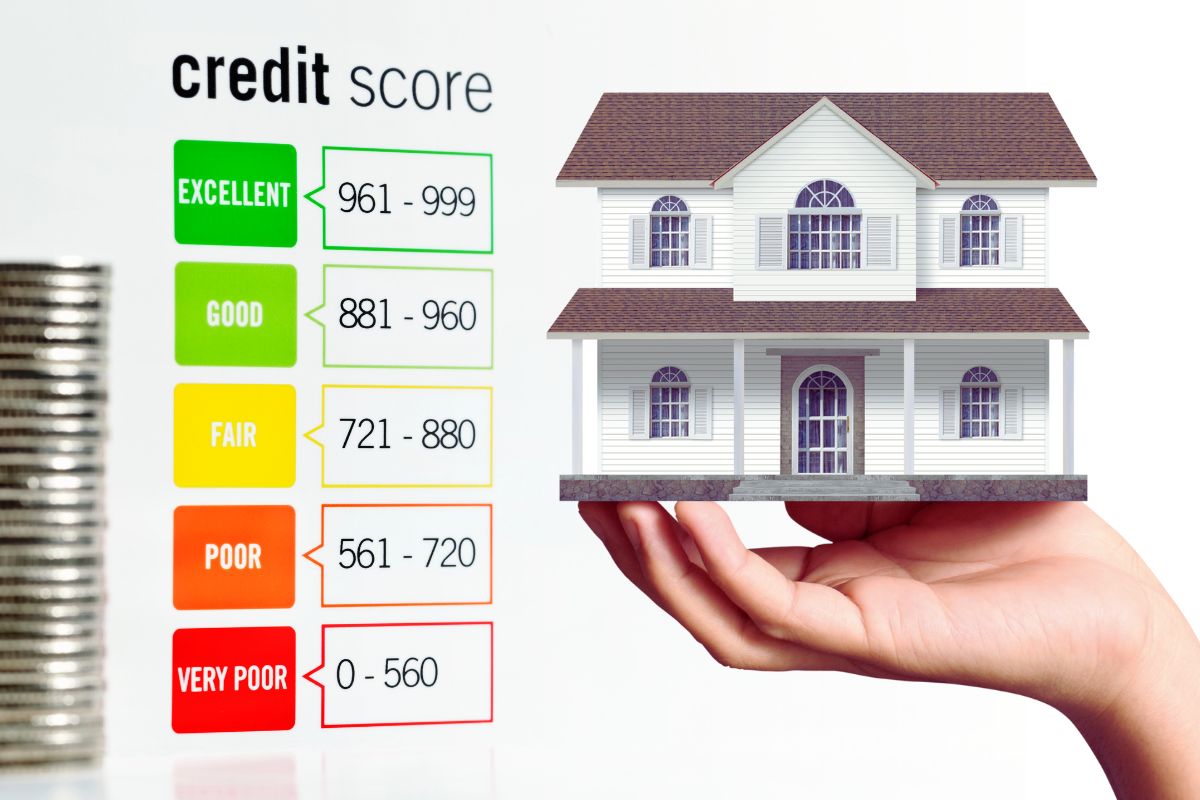
If you’re considering a HELOC, you may wonder how it will affect your credit score. The good news is despite the slight dip that could result from applying with a lender; your credit score could benefit over time if the HELOC is managed responsibly. Here’s what to know about HELOCs and credit scores.
What is a HELOC?
A home equity line of credit (HELOC) is a revolving credit line that lets you convert your home equity into cash and draw funds as needed. It acts as a second mortgage and uses your home as collateral to secure the line. So, if you default on the payments, you could lose your home to foreclosure.
How Does a HELOC Work?
A HELOC operates like a credit card, and the limit you receive is based on the amount of equity you have in your home. Most lenders let you access up to 80% in home equity, or the amount you own outright. To illustrate, if you owe $215,000 on your mortgage and your home is worth $400,000, you could access a HELOC of up to $105,000 ($400,000 * .80 minus $215,000).
You can borrow against it (up to the limit) during the draw period. As you pay down the line, you’re free to make additional withdrawals. In most instances, you’ll also make interest-only payments during this window. When the draw period ends, you’ll be on the hook for both principal and interest payments.
Keep in mind that HELOCs have variable interest rates, so the amount you pay monthly will change over time.
Importance of Credit Score in Obtaining a HELOC
Lenders assess your creditworthiness when deciding whether you’re a good fit for a HELOC. A higher credit score indicates that you’ve responsibly managed debt obligations over time. It also means you’re more likely to qualify for the most competitive terms on a HELOC since the risk of default is lower.
What is the Minimum Credit Score for a HELOC?
It varies by lender, but a score of at least 680 is ideal to qualify for the best terms on a HELOC. That said, a 620 could be enough to snag a loan approval, but you likely won’t get the most favorable terms.
Factors Influencing HELOC Credit Score Requirements
Beyond credit scores, here are some other factors lenders assess when determining your eligibility for a HELOC.
Debt-to-Income Ratio
Lenders want reassurance that you can afford the payments on a HELOC. So, they assess your debt-to-income (DTI) ratio, which is the percentage of your gross monthly income used to cover monthly debt obligations. This figure should be below 43% to have the best approval odds.
A higher DTI could be acceptable if there are other compensating factors. But in most instances, it signals to lenders that you could have trouble managing your existing debts alongside the new HELOC payments.
Loan-to-Value Ratio
The loan-to-value ratio (LTV) is computed by dividing your current mortgage balance by the appraised value of your home. Lenders typically require an LTV of 80% or less for HELOCs. This means you should have at least 20% equity in your home.
A lower LTV reduces the lender’s risk, making you a more attractive borrower. If your LTV is too high, consider paying down your mortgage or waiting until your home’s value increases. Otherwise, a high LTV can result in higher interest rates or difficulties securing the loan.
Employment History and Income Stability
Lenders also want to know that you have the means to repay the HELOC, hence the importance of your employment history and a stable source of income. You’ll typically need at least two years of work experience in the same field to be eligible for a HELOC.
If you’re self-employed, prepare to provide additional documentation, including business financial statements, when applying for a HELOC. Lenders will use this information to gauge your eligibility for funding.
Will a HELOC Affect Your Credit Score?
Yes, a HELOC will impact your credit score when you apply and start using it. The specifics will be discussed in the next section.
How a HELOC Affects Your Credit Score
Here’s a closer look at how HELOCs affect your credit rating.
Impact of Application Inquiries
There are a few ways a HELOC can impact your credit score. For starters, when you apply for funding, the lender will perform a hard credit check that could dip your credit score by a few points. The good news is that the impact is usually temporary.
Changes in Credit Utilization
The upside is that using the HELOC responsibly could also help your credit rating since it’s a revolving line of credit. This means keeping the outstanding balance low will have a positive impact on your credit utilization rate, which accounts for 30% of your credit score.
Payment History on the HELOC Account
Timely payments on your HELOC are another plus for your credit score. Payment history makes up 35% of your score, so each on-time payment helps build a positive payment history. However, missed payments (30 days or more) can mean bad news for your credit score.
Improving Your Credit Score for a HELOC
Again, your credit score isn’t the only factor lenders consider when reviewing your application for a HELOC. However, it plays an integral role in your approval odds and the terms you’ll qualify for.
If your credit score isn’t up to par, below are some suggestions to strengthen your score before applying for a HELOC.
Paying Down Existing Debt
Try to pay down the balances on your revolving debts (i.e., credit cards, lines of credit). Doing so helps improve our credit utilization ratio, which accounts for 30% of your credit score and could increase your credit score.
Reducing your debt balances also lowers your DTI ratio, potentially making you a more attractive borrower to lenders.
Disputing Errors on Your Credit Report
There’s a chance errors could be present on your credit report, dragging your score down. So, you want to access each report from the three credit bureaus – Experian, TransUnion and Equifax – and review the contents for inaccurate or outdated information.
If issues exist, file disputes promptly with the respective credit bureaus to have them rectified sooner than later. If you’re unaware, you can get free credit reports weekly at AnnualCreditReport.com to start the review process.
Avoiding New Credit Applications Before Applying
Each new application for credit dings your credit score by between two and five points. The impact may seem minimal, but several hard inquiries in a short window could significantly impact your credit score and make you appear as a risky borrower in the eyes of lenders.
How to Manage Your HELOC Responsibly to Minimize Credit Score Impact
If you’re approved for a HELOC, here are some tips to help you manage it responsibly and protect your credit score.
Creating a Repayment Plan
Only borrow what you can comfortably afford to repay. You can compute this figure by reviewing your monthly spending plan to get an idea of how much disposable income you have.
Also, consider setting up autopay to avoid falling behind on your HELOC payments and damaging your credit score. If possible, pay more than the minimum each month to start reducing the principal balance before the draw period ends. That way, the payments will be more manageable once the interest-only payments end.
Understanding Variable Interest Rates
It’s vital to understand that HELOCs typically come with variable interest rates that fluctuate with market conditions. This means you should remain vigilant of market trends, as spikes could increase your borrowing costs.
Plan for possible rate hikes by allocating extra funds for higher payments. You can also pay extra each month to lower your principal balance faster.
Avoiding Overborrowing and Financial Stress
Only borrow funds you need and can afford to repay without blowing up your budget. Most importantly, only use the HELOC for essential costs, as using it for unnecessary expenses could mean taking on more debt than you can handle and spending a mini-fortune in borrowing costs.
FAQs About HELOC Credit Score
It can be challenging to get a HELOC with a 600 credit score. However, it may not be impossible, as some lenders are willing to work with credit-challenged borrowers in exchange for higher interest rates and lower credit limits.
It depends on the lender. However, lower credit scores, home equity below 15%, and recent bankruptcies or foreclosures could be deal breakers.
Generally speaking, the most attractive interest rates are reserved for borrowers with strong credit scores. But if your credit score is on the lower end, you might face higher interest rates that equate to steeper borrowing costs.