
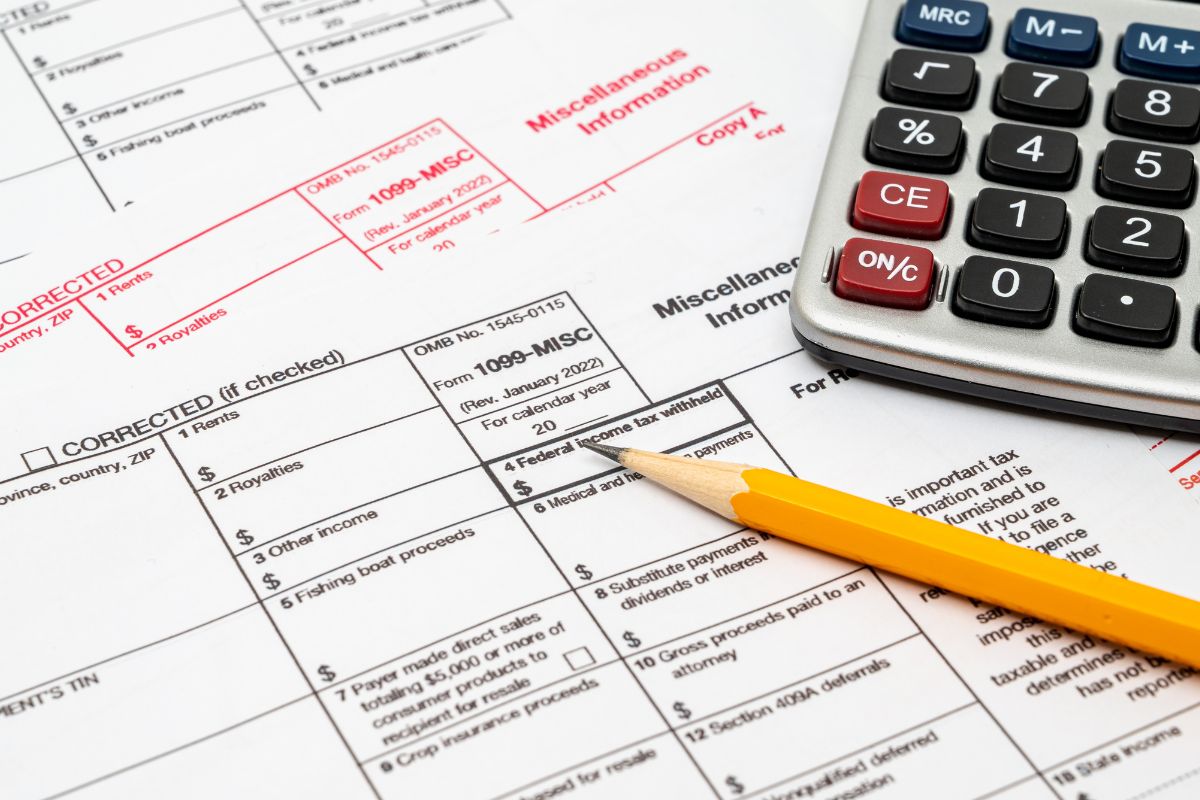
Self-employed workers and independent contractors tend to have a more difficult time qualifying for conventional loans. That’s because many of these individuals have inconsistent income and use more tax deductions to reduce their taxable income. Since most financial institutions look at your taxable income to assess how much you can afford, self-employed workers need an alternative. 1099 mortgages make homeownership more accessible for these individuals.
What is a 1099 Mortgage?
A 1099 mortgage is a financial product that helps freelance workers qualify for mortgages. They can use their 1099 earnings instead of tax documents to verify how much they earn. This distinction doesn’t hinder freelancers who use many write-offs to reduce their taxable income.
Difference Between 1099 and W-2 Income
1099 income is for freelancers and contractors, while W-2 income is for full-time workers. W-2 employees also have other benefits, such as health insurance and 401(k) contributions. W-2 salaries already have taxes deducted from them, while 1099 income does not have taxes deducted from them.
Can You Get a Mortgage With a 1099?
It’s possible to receive a mortgage with a 1099. While using several tax write-offs to save money will reduce your taxable income, you can still get a mortgage the traditional way. Some mortgage lenders may perceive a 1099 worker to be riskier due to the write-offs, but 1099 mortgage loans serve as viable alternatives.
Types of 1099 Mortgages
Consumers can choose from several types of 1099 mortgages. These are the highlights.
Fixed-Rate Mortgages
Fixed-rate mortgages have the same monthly payment throughout the loan’s duration. That’s because the interest rate will not change during the loan’s lifetime. If interest rates decrease, you can consider applying for a refinance, but your monthly payments are predictable.
Adjustable-Rate Mortgages
Adjustable-rate mortgages have variable rates that typically start at lower APRs than fixed-rate mortgages. However, these rates can gradually increase over time if the Fed decides to raise rates. These same rates can decrease if the Fed decides to lower its rates. Monthly payments are less predictable with adjustable-rate mortgages but can end up being more affordable than fixed-rate mortgages under the right circumstances.
Interest-Only Mortgages
Interest-only mortgages start off with interest-only payments. These loans make homeownership more manageable in the beginning. However, you won’t make any progress with your equity during those initial years. Then, you’ll have to pay the principal. Interest-only mortgages are optimal for real estate investors who want to fix and flip a property.
Pros and Cons of a 1099 Mortgage
1099 mortgages have several advantages and disadvantages to consider before getting started. These are the highlights.
Pros
- Homeownership may be more attainable with this mortgage
- You can choose from several types of 1099 mortgages, such as fixed-rate or variable-rate mortgages
- Many lenders let you choose between 15-year and 30-year mortgage
Cons
- You might end up with a higher interest rate
- Homeownership is a much bigger commitment than renting
- Mortgage lenders may feel reluctant to give money to 1099 workers with inconsistent income
Who is Eligible to Apply for a 1099 Mortgage?
Individuals must be at least 18 years old to receive a mortgage, but they must also meet other requirements regarding their income, credit score, and other details.
Eligibility Requirements for 1099 Mortgages
Making sure you check off these boxes can help you get a 1099 mortgage sooner. Here’s how you can become eligible for a mortgage.
Income Verification
You will have to provide 1099 forms to verify your income for a 1099 mortgage. Lenders will assess your 1099 income and see if it matches up with their debt-to-income ratio requirements.
Credit Score Requirements
You typically need a FICO score of 620 or higher to obtain a mortgage. However, a higher credit score will help you secure lower interest rates and borrow more money. Paying your bills on time and getting rid of your credit card debt are two of the best ways to build credit.
Employment History
Financial institutions will place a strong emphasis on the past two years of your employment history. They want to make sure your work is consistent and that you receive a steady income. 1099 workers tend to have more flexibility in this area. However, each 1099 worker must have an employment history that demonstrates they can stay on top of monthly mortgage payments.
Documentation Needed
Mortgage lenders must request certain documents to verify your identity and income. These are the documents you will need:
- Government-issued photo ID
- Proof of income (i.e., 1099 forms from the past two years)
- Social Security number
- Credit report
- Business license, if applicable
Some 1099 mortgage lenders may request additional documents, such as previous bank statements or a list of your assets.
How to Apply for a 1099 Mortgage
It’s straightforward to apply for a 1099 mortgage. Here’s what you need to know to get started.
Steps in the Application Process
Obtaining a 1099 mortgage will feel more straightforward if you have the steps laid out. Here’s what you can expect during the process:
- Step 1: Review the requirements (i.e., credit score and DTI, or debt to income ratio)
- Step 2: Gather the necessary documents
- Step 3: Compare lenders
- Step 4: Submit applications and compare offers
Tips for a Successful Application
You can increase the likelihood of a successful application by lowering your DTI ratio and improving your credit score. Continuing to build your business will also demonstrate that you can make regular monthly payments. Compounding your company’s growth can even put you in a position to make a larger down payment.
Common Mistakes to Avoid
While the application process may feel easier once the steps are laid out, you should avoid these common pitfalls along the way:
- Applying for loans that you do not qualify for
- Not checking your credit score and DTI ratio first
- Rushing to accept a deal from the first mortgage lender that you find
- Not comparing rates and terms from multiple companies
- Buying a bigger home than you can afford
Where Can You Get 1099 Mortgages?
You can reach out to several entities for a 1099 mortgage. These are some of the options.
Specialized Lenders
Some lenders specialize in offering financial products for self-employed workers. These lenders usually offer various financial products, and they’re good to keep in mind if you need to borrow money again in the future.
Government Programs
The FHA, VA, and USDA programs make homeownership more attainable for qualifying borrowers. These programs tend to have lower credit score requirements and are optimal for first-time homeowners.
Private Lenders
Some private lenders have 1099 mortgages readily available. These loans tend to have more requirements than government-backed loans, but you might get a better deal with private lenders.
Conclusion: Is It Hard to Buy a House With a 1099?
Buying a home is an incredible milestone, regardless of what type of mortgage you use. While self-employed workers have an uphill battle since they use tax deductions to minimize their income, it is possible to obtain a 1099 mortgage. It’s a welcome alternative to the traditional route that lets you show your 1099 forms instead of your tax returns.
FAQs About 1099 Mortgages
A 1099 mortgage form is a financial product that lets you obtain a mortgage with 1099 forms. It offers an easier path to homeownership for self-employed workers and contractors.
You typically need at least two years of 1099 forms to apply for a mortgage. However, a previous W-2 can make it easier to get a mortgage even if you are getting started with your 1099 work.