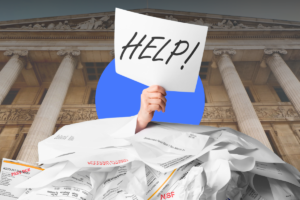


Healthcare costs are at an all-time high, and many Americans are struggling with steep medical bills. Fortunately, medical debt relief options can help you stop drowning in medical debt and get your head above water.
There are government-sponsored, nonprofit, charity-based and hospital programs that are worth a look. You can also explore insurance-based and legal relief options to manage your medical debt load more effectively or eliminate your balances altogether.

America’s Leader in Credit Card Debt Relief and Debt Consolidation since 2002. Over 850,000 Clients and $18 Billion in Debt Resolved.

Reduce Unsecured Debts Such As Credit Cards, Loans, or Bills. Regain Control of Your Finances. Talk with a Certified Debt Specialist.

Debt Consolidation Loan Options. Talk to a Certified Debt Counselor to Help You Achieve Financial Freedom Faster. Apply for a Quote.
Understanding Medical Debt
Before diving into the specifics of options for medical debt relief, you should thoroughly understand medical debt. As the name suggests, it’s a form of debt that’s incurred from services rendered by clinics, hospitals or other healthcare providers that your insurance doesn’t cover or that you cannot afford to pay out of pocket. Unfortunately, these costs could multiply rather quickly if you have a serious injury or illness.
The Growing Need for Relief Programs
Rising healthcare costs place significant burdens on consumers in the U.S., hence the growing need for medical debt programs nationwide. Americans are already dealing with inflation, and covering healthcare-related expenses shouldn’t have to be another burden.
Overview of Available Medical Debt Relief Programs
Several options are available to help you manage and reduce your medical debt. Each program aims to provide some form of financial assistance that alleviates the burden of medical bills.
Government-Sponsored Medical Debt Relief Programs
Medicare and Extra Help
Medicare and Extra Help are designed to lower the out-of-pocket costs you’ll incur when receiving medical services to prevent you from racking up medical bills.
Medicare is reserved for individuals aged 65 and older and those with specific disabilities. It provides coverage for hospital stays through Part A, and Part B is the medical insurance component.
There’s also the Part D Extra Help Program that assists with prescription drug costs if you have limited resources and income.
Medicaid and CHIP
Medicaid is a form of health insurance available free of charge or at a low cost. Eligibility is based on your income and household size and varies by state.
CHIP (Children’s Health Insurance Program) offers low-cost coverage to children who belong to households with income exceeding Medicaid’s threshold but who can’t afford private insurance.
America’s Leader in Credit Card Debt Relief and Debt Consolidation since 2002. Over 850,000 Clients and $18 Billion in Debt Resolved.
Reduce Unsecured Debts Such As Credit Cards, Loans, or Bills. Regain Control of Your Finances. Talk with a Certified Debt Specialist.
Debt Consolidation Loan Options. Talk to a Certified Debt Counselor to Help You Achieve Financial Freedom Faster. Apply for a Quote.
Affordable Care Act Subsidies
The Affordable Care Act (ACA) features subsidies to make health insurance more affordable. Premium tax credits lower the monthly health insurance premiums on plans purchased through the Health Insurance Marketplace, and cost-sharing reductions lower copayments and deductibles.
State-Specific Relief Programs
Some states have their own programs to assist with medical debt relief. These could include grants, expanded Medicaid eligibility or financial assistance programs. Eligibility is generally based on income, household size and other factors.
Nonprofit and Charity-Based Programs
Nonprofit and charity-based programs also play an integral role in helping people reduce or eliminate medical debt.
Organizations Offering Assistance
Some organizations to explore include:
- Undue Medical Debt: This organization purchases large sums of medical debt for pennies on the dollar and forgives it.
- Dollar For: It provides relief from hospital bills through forgiveness based on your earnings.
How to Apply for Aid from Nonprofits
It depends on the organization you’re seeking aid from. That said, you’ll typically need to submit an application to start the process. Most nonprofits require proof of income and detailed information about your medical bills to determine your eligibility for assistance. Be sure to contact the organization directly if you have questions about its policies or procedures.
Hospital and Healthcare Provider Programs
You may also find relief through a program your medical practitioner offers.
Financial Assistance Programs
It’s not uncommon for hospitals to provide financial assistance to patients facing financial hardship. You could qualify for an interest-free installment plan, or the hospital may agree to reduce your balance. In some instances, you may be able to have your medical debt forgiven.
Negotiating Medical Bills
Try negotiating your medical bills directly with hospitals and healthcare providers. Or you can have someone do the legwork for you. Either way, the process starts with a review of your itemized bill(s) to determine its accuracy, followed by an offer to make a reduced lump-sum payment to settle the debt. Or you can request a payment plan on the discounted balances.
America’s Leader in Credit Card Debt Relief and Debt Consolidation since 2002. Over 850,000 Clients and $18 Billion in Debt Resolved.
Reduce Unsecured Debts Such As Credit Cards, Loans, or Bills. Regain Control of Your Finances. Talk with a Certified Debt Specialist.
Debt Consolidation Loan Options. Talk to a Certified Debt Counselor to Help You Achieve Financial Freedom Faster. Apply for a Quote.
Charity Care Policies
These policies are available at both nonprofit and for-profit hospitals and provide free or low-cost care to qualifying individuals. You could be eligible if you’re without insurance coverage or earn a low income.
Insurance-Based Relief Options
Review your policy documents to understand what types of healthcare costs are covered and verify the charges on your medical bill(s). Also, check your Explanation of Benefits (EOB) statement to see what the insurance company paid and what you still owe. If you spot inaccuracies, reach out to the medical provider(s) promptly to have them rectified.
Legal Options and Other Alternatives for Medical Debt Relief
If other options already mentioned aren’t viable, consider these alternatives.
Medical Debt Consolidation
Medical debt consolidation involves combining the balances from several medical bills into a single loan product, preferably with a low interest rate. This can simplify the repayment process and make medical debt more manageable.
Credit Counseling
You can also meet with a credit counselor for guidance on how to most effectively handle medical debt. Nonprofit credit counseling agencies often provide these services free of charge or at a low cost.
Depending on your financial situation, the credit counselor may suggest a debt management plan (DMP) as a solution to consolidate your debts and get one monthly payment. If you choose this route, you’ll pay the counseling agency directly, and they will distribute the funds to your creditors.
Filing for Medical Bankruptcy
If the medical debt becomes unbearable, you can file for bankruptcy. Chapter 7 bankruptcy may discharge most medical debts, but Chapter 13 established a court-monitored payment plan over three to five years. Regardless of which type you file, doing so halts collection activities from creditors.
Strategies for Managing Medical Debt
To recap, here are some tactics for effectively managing medical debt.
America’s Leader in Credit Card Debt Relief and Debt Consolidation since 2002. Over 850,000 Clients and $18 Billion in Debt Resolved.
Reduce Unsecured Debts Such As Credit Cards, Loans, or Bills. Regain Control of Your Finances. Talk with a Certified Debt Specialist.
Debt Consolidation Loan Options. Talk to a Certified Debt Counselor to Help You Achieve Financial Freedom Faster. Apply for a Quote.
Setting Up Payment Plans
Call your healthcare provider, explain your financial situation and request a payment plan. Many hospitals and clinics offer interest-free options that allow you to make affordable monthly payments over an extended period.
Negotiating Settlements
You can also negotiate your medical bills to settle them for less than what’s owed. This method is not guaranteed to work, but it’s worth a shot. You can also add the fact that you’d like to settle for a lump sum to sweeten the deal.
Using Credit Cards Responsibly
It’s risky to use credit cards to pay off medical debts. However, this approach could be ideal if you can get a card with a zero-interest promotional period and afford to repay the balance within this window.
Seeking Financial Counseling
Financial counseling is a resource you can typically access for free. So, it’s worth speaking with someone to discuss your situation and weigh each approach’s pros and cons.
Conclusion: Choosing the Right Medical Debt Relief Program for You
Choosing a medical debt relief program depends on your unique situation. You need to evaluate your debts and financial status and review the options available to you. By taking these actions, you find the best program that fits your needs.
America’s Leader in Credit Card Debt Relief and Debt Consolidation since 2002. Over 850,000 Clients and $18 Billion in Debt Resolved.
Reduce Unsecured Debts Such As Credit Cards, Loans, or Bills. Regain Control of Your Finances. Talk with a Certified Debt Specialist.
Debt Consolidation Loan Options. Talk to a Certified Debt Counselor to Help You Achieve Financial Freedom Faster. Apply for a Quote.