
If you haven’t had much luck resolving your debts alone, you may be considering a more advanced level of debt relief. Whether it’s debt settlement, debt consolidation or bankruptcy, it’s important to know how they will impact your credit health in the long-term. More specifically, how long will they linger on your credit report?
It varies by the form of debt relief you choose, but the notation can linger in your credit report for up to 10 years. Read on to learn more about debt relief and credit reporting.

America’s Leader in Credit Card Debt Relief and Debt Consolidation since 2002. Over 850,000 Clients and $18 Billion in Debt Resolved.

Reduce Unsecured Debts Such As Credit Cards, Loans, or Bills. Regain Control of Your Finances. Talk with a Certified Debt Specialist.

Debt Consolidation Loan Options. Talk to a Certified Debt Counselor to Help You Achieve Financial Freedom Faster. Apply for a Quote.
How Credit Reports Work
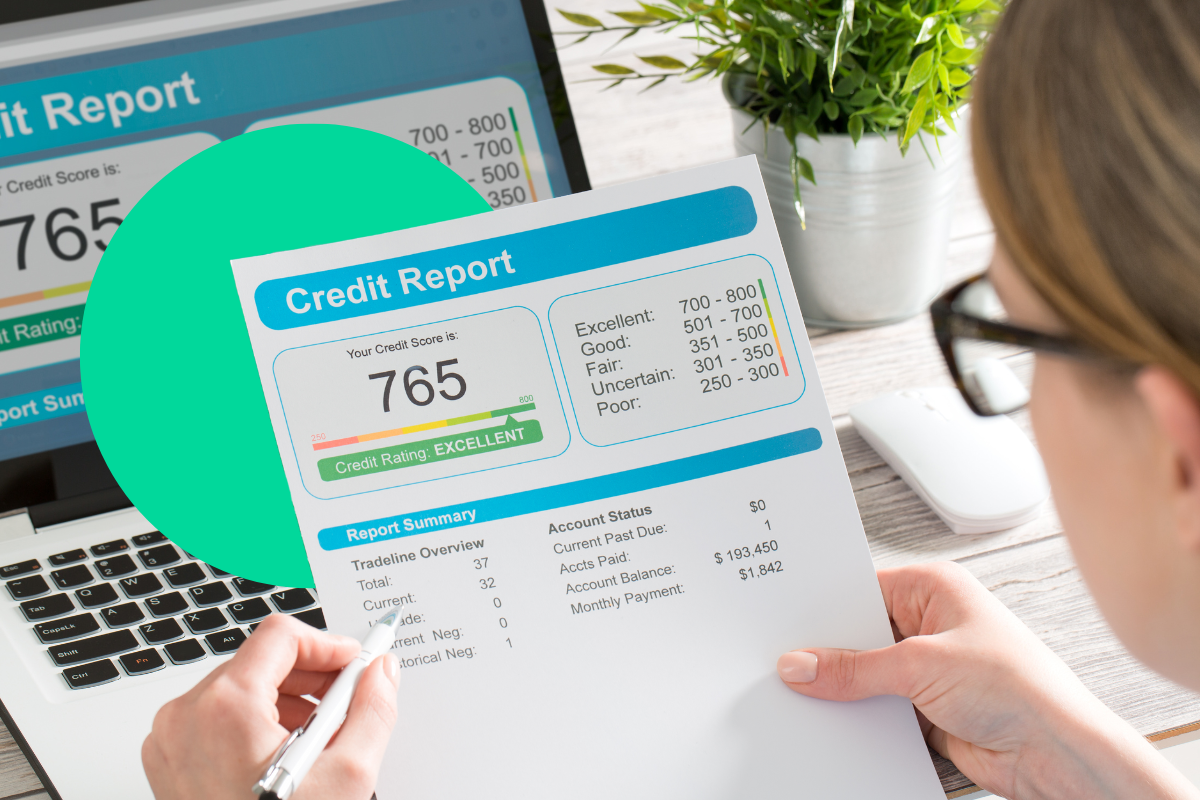
Credit reports are documents that paint a picture of how you’ve managed your obligations over time.
The Role of Credit Reports in Your Financial Health
The three major credit bureaus – Experian, TransUnion and Equifax – compile data from information furnishers (i.e., creditors and lenders) to create credit reports. Data found in your credit reports is also used to compute credit scores.
Credit reports and credit scores are integral to your approval odds for credit. The most competitive offers for credit are reserved for consumers with strong credit histories and scores. But if your credit score is on the lower end or if there are negative marks on your credit report, you might have a more challenging time securing credit. Or if you are offered financing, it’ll likely be with less competitive terms.
Credit reports and scores can also impact your access to housing and employment opportunities, specifically in the financial services industry. If you live in a state that allows the usage of auto insurance scores, your credit rating could also impact your car insurance premiums.
Understanding the Concept of Debt Relief
Debt relief aims to accomplish a few objectives. The idea is to help make your debt load more manageable and, if possible, lower the amount you owe, borrowing costs or both. You can also potentially extend the repayment period to lower your monthly payment amounts with debt relief. Or you could get a structured repayment plan that works better for your financial situation.
There’s also bankruptcy, which is a more extreme form of debt relief that can wipe out your unsecured debts or give you a more feasible repayment plan.
Different Types of Debt Relief and Their Impact
Here’s a closer look at the different forms of debt relief and how they can impact your financial health.
America’s Leader in Credit Card Debt Relief and Debt Consolidation since 2002. Over 850,000 Clients and $18 Billion in Debt Resolved.
Reduce Unsecured Debts Such As Credit Cards, Loans, or Bills. Regain Control of Your Finances. Talk with a Certified Debt Specialist.
Debt Consolidation Loan Options. Talk to a Certified Debt Counselor to Help You Achieve Financial Freedom Faster. Apply for a Quote.
Debt Settlement
Debt settlement involves negotiating with your creditors to resolve your debt for less. You can do it on your own or hire someone to do it for you. Either way, the primary draw is the possibility of significantly reducing the amount you have to pay your creditors.
Unfortunately, settling your debts means bad news for your credit score for a few reasons. You’ll typically need to stop making payments before negotiations begin to convince creditors that you cannot afford to pay the minimum each month on time. And when the accounts are settled, they’ll be marked as such, which is unfavorable in the eyes of lenders and creditors.
Debt Consolidation
Debt consolidation merges multiple debt balances into a single debt product, often with a lower interest rate. Doing so simplifies the repayment process and could save you a bundle of interest. There’s also a chance you could get out of debt much faster than you would if you continued making the minimum monthly payments.
You can consolidate debt with a personal loan or balance transfer credit card. Remember that consolidating doesn’t erase the debt – you must still repay it. And if you re-use the credit cards you consolidate, you’ll find yourself in an even deeper debt hole than you originally had.
Bankruptcy
Bankruptcy is a form of debt relief that involves the courts. It’s designed for those who cannot repay outstanding debts, and there are two primary types to be aware of.
Chapter 7, or liquidation bankruptcy, requires selling off assets to pay creditors. But it can give you a fresh start if you qualify. Chapter 13 involves a three to five-year repayment plan overseen by the court.
Bankruptcy can have serious consequences for your credit and overall financial health. So, it should only be used as a last resort after you’ve consulted with a bankruptcy attorney.
America’s Leader in Credit Card Debt Relief and Debt Consolidation since 2002. Over 850,000 Clients and $18 Billion in Debt Resolved.
Reduce Unsecured Debts Such As Credit Cards, Loans, or Bills. Regain Control of Your Finances. Talk with a Certified Debt Specialist.
Debt Consolidation Loan Options. Talk to a Certified Debt Counselor to Help You Achieve Financial Freedom Faster. Apply for a Quote.
Debt Relief and Its Impact on Your Credit
Below is a closer look at how debt relief can affect your credit score.
Immediate Impact of Debt Relief
- Debt settlement: Your credit score will likely already have taken a hit from the late payments. So, there won’t be an immediate impact, per se, from enrolling in a debt settlement program.
- Debt consolidation: The initial impact usually isn’t that drastic. Your score could dip by three to five points when you apply for a debt consolidation product, but it will usually bounce back relatively quickly.
- Bankruptcy: Bankruptcy is the debt relief option that generally has the most severe impact. And it’ll stay on your credit report for up to seven or 10 years, depending on which type of bankruptcy you file.
Short-Term Impact of Debt Relief
- Debt settlement: As you settle your debts, you’ll see a change in each account’s status on your credit report. Settling a debt typically results in a status of “settled” rather than “paid in full,” which can negatively impact your credit score. This is because settling indicates that you did not pay the full amount originally owed.
- Debt consolidation: Your credit score could benefit in the short term if consolidating significantly lowers your credit utilization rate, which accounts for 30% of your credit score. You can improve this vital credit score component by consolidating multiple high-balance credit accounts into a single loan with a lower utilization rate.
- Bankruptcy: Obtaining new credit card accounts can be challenging after filing for bankruptcy. If you do qualify, the interest rates and terms may be unattractive. Bankruptcy remains on your credit report for up to 10 years, making it difficult to rebuild credit in the short term.
How Long Does Debt Relief Stay On Your Credit Report?
Debt Settlement
As previously mentioned, settlements and late payments are included in your credit reports. The timeline is up to seven years.
America’s Leader in Credit Card Debt Relief and Debt Consolidation since 2002. Over 850,000 Clients and $18 Billion in Debt Resolved.
Reduce Unsecured Debts Such As Credit Cards, Loans, or Bills. Regain Control of Your Finances. Talk with a Certified Debt Specialist.
Debt Consolidation Loan Options. Talk to a Certified Debt Counselor to Help You Achieve Financial Freedom Faster. Apply for a Quote.
Debt Consolidation
Taking out a debt consolidation loan or balance transfer credit card will appear on your credit report. Making timely payments on both will help your payment history. These accounts will remain on your credit report for as long as they are open and active, and any positive payment history will continue to benefit your credit score.
Bankruptcy
Chapter 7 bankruptcy can stay on your credit report for up to 10 years. Chapter 13 only stays for up to 7 years.
Are There Any Actions That Might Affect How Long Debt Relief Stays on a Credit Report?
Credit reporting agencies cannot legally remove accurate, timely accounts from your credit profile. However, if you analyze your credit report and spot inaccuracies or entries that are past the reporting timeline, you can file disputes with the respective credit bureaus to have them rectified or removed.
That said, the creditor or lender may be willing to remove late payments as a courtesy. This practice is referred to as a goodwill adjustment. More on this shortly.
What Steps Can You Take to Remove Debt Relief from a Credit Report Sooner?
Below is a closer look at ways to get debt relief removed from your credit report sooner than later:
- Verify the age of the debt: Check how old the debt is. Debts typically stay on your credit report for seven to ten years. Any old debt that has passed this period should be removed.
- Dispute inaccuracies: Review your credit report for any errors or inaccuracies. If you find mistakes, dispute them with the respective credit bureau(s) to get them corrected or removed.
- Request a goodwill adjustment: Write a goodwill letter to your creditors explaining your situation and requesting the removal of negative entries from your credit report. Creditors sometimes honor such requests if there’s a positive relationship.
- Seek professional help: Consider contacting a credit repair agency. They can assist with disputing inaccuracies on your behalf.
- Monitor your credit reports: Keep an eye on your credit reports to ensure that errors don’t reappear and that old debts are removed once the reporting period expires. Routine monitoring helps ensure only accurate and up-to-date information appears on your credit report.
America’s Leader in Credit Card Debt Relief and Debt Consolidation since 2002. Over 850,000 Clients and $18 Billion in Debt Resolved.
Reduce Unsecured Debts Such As Credit Cards, Loans, or Bills. Regain Control of Your Finances. Talk with a Certified Debt Specialist.
Debt Consolidation Loan Options. Talk to a Certified Debt Counselor to Help You Achieve Financial Freedom Faster. Apply for a Quote.
Repairing Your Credit After Debt Relief
Once you’ve taken the necessary steps to get relief from your debt load, shift your focus to repairing your credit if it was damaged in the process.
How to Start Repairing Your Credit
Begin by checking your credit report for errors. You can request a free copy from each of the credit bureaus at AnnualCreditReport.com on a weekly basis. During your review, make note of incorrect account balances, late payments or dates (if applicable), and dispute any errors you find promptly.
Also, create a debt-payoff payoff if you haven’t yet done so. It’s the amount you can afford to allocate to your monthly debt payments. You’ll need to refer to your spending plan to compute this number. And if you don’t yet have a budget, now’s the time to create one.
A credit counselor can also provide tips on optimizing your credit health while responsibly managing your debt load.
Tips for Maintaining a Healthy Credit Score after Debt Relief
Some proven strategies to preserve your credit health:
- Pay all your bills on time to improve your payment history. Since payment history is the most significant component of your credit score, consistently making on-time payments is vital to maintaining a healthy credit score.
- If you are behind on any accounts, work with creditors and lenders to bring them current sooner rather than later.
- Some may be willing to make payment arrangements with you to help you get back on track. The sooner you bring the accounts current, the better to prevent further damage to your credit score.
- Keep your credit utilization rate at or below 30%. Your credit utilization rate represents the amount of your credit line in use. If you can get it below 10%, your credit score could improve even more.
- Refrain from closing old accounts, even if you currently aren’t using them. Keeping older accounts open as long as possible positively impacts your credit age, which accounts for 15% of your credit score.
- Maintain a healthy mix of revolving (i.e., credit cards, lines of credit) and installment debt (i.e., personal loans, student loans, auto loans, mortgages). A diverse credit portfolio can also positively influence your credit score, as your credit mix makes up 10% of your credit score.
- Only apply for new credit as needed to avoid excessive hard credit inquiries that could drag your score down. Each time a hard inquiry is generated, your credit score may dip by two to five points. So, it’s best to limit new credit applications while working to rebuild your credit score.
- Monitor your credit report to track your progress and spot any potential issues immediately. Regularly checking your credit report helps you keep tabs on your credit profile and makes it easier to catch errors and identity theft early.
America’s Leader in Credit Card Debt Relief and Debt Consolidation since 2002. Over 850,000 Clients and $18 Billion in Debt Resolved.
Reduce Unsecured Debts Such As Credit Cards, Loans, or Bills. Regain Control of Your Finances. Talk with a Certified Debt Specialist.
Debt Consolidation Loan Options. Talk to a Certified Debt Counselor to Help You Achieve Financial Freedom Faster. Apply for a Quote.
The impact of debt relief strategies on your credit report varies by the option you select. Debt consolidation can do more harm than good if executed effectively, but debt settlement could damage your credit score over the next few years. Bankruptcy has the most severe impact that could last for years to come.
Carefully evaluate each option and familiarize yourself with the reporting timelines to decide which is most ideal for your unique financial situation. Be sure to assess your financial situation, consult a financial advisor and understand the potential long-term consequences of your decision. Most importantly, explore alternatives to the debt relief strategies listed here if you aren’t confident about your decision.