
Contrary to popular belief, not all debt is bad debt. Certain types of debt can actually be beneficial to your credit health. This guide explores the differences between good debt and bad debt and ways to manage your debt load more effectively.

America’s Leader in Credit Card Debt Relief and Debt Consolidation since 2002. Over 850,000 Clients and $18 Billion in Debt Resolved.

Reduce Unsecured Debts Such As Credit Cards, Loans, or Bills. Regain Control of Your Finances. Talk with a Certified Debt Specialist.

Debt Consolidation Loan Options. Talk to a Certified Debt Counselor to Help You Achieve Financial Freedom Faster. Apply for a Quote.
What is the Difference Between Bad Debt vs Good Debt?
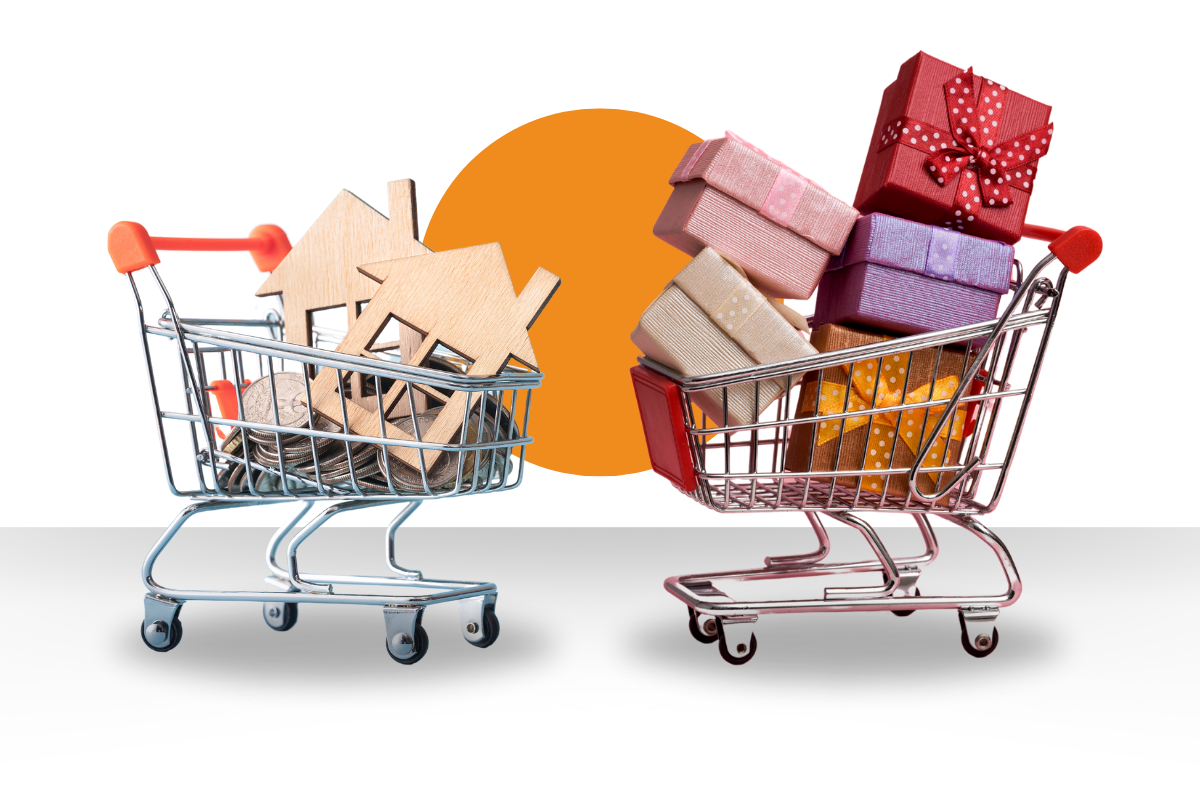
Simply put, good debt can help increase your net worth or improve your financial health. But bad debt is money borrowed to purchase non-essentials or items that lose value.
Understanding Good Debt
Here’s a closer look at the specifics of good debt.
Characteristics of Good Debt
Good debt is often used to acquire income-producing assets or those that will increase in value over time. You’ll often find that these debts come with competitive interest rates and flexible repayment terms. Most importantly, good debt helps improve your financial situation rather than create an added burden or unnecessary strain on your wallet.
The Benefits of Good Debt
- Lower interest rates: The cost of credit on good debt is often lower compared to bad debt, making the monthly payments more affordable.
- Helps build credit: Consistently making timely payments on good debt means your payment history will improve, possibly increasing your credit score.
- Opens the door to new opportunities: Good debt could pave the way to a better career, improving housing situation or a more profitable business.
What are Examples of Good Debt?
Student loans allow you to invest in your education, even if you don’t have the means to cover tuition, fees and books out of pocket. Doing so could pave the way for a meaningful, lucrative career or open the door to career advancement opportunities.
Mortgage loans are another classic example of good debt. Buying a home gives you a place to call your own for years to come. As your home appreciates over time, it builds equity that you can pull from as needed through a cash-out refinance or another home equity loan product.
Business loans can fund your company’s growth if you’re just starting. They can also assist if you’re established and need funding to fill cash flow voids or capitalize on lucrative opportunities.
America’s Leader in Credit Card Debt Relief and Debt Consolidation since 2002. Over 850,000 Clients and $18 Billion in Debt Resolved.
Reduce Unsecured Debts Such As Credit Cards, Loans, or Bills. Regain Control of Your Finances. Talk with a Certified Debt Specialist.
Debt Consolidation Loan Options. Talk to a Certified Debt Counselor to Help You Achieve Financial Freedom Faster. Apply for a Quote.
Understanding Bad Debt
It’s also worth understanding what constitutes bad debt and the negative effects that may come with it.
What Qualifies as Bad Debt? Characteristics
Bad debt is not conducive to wealth-building efforts. Instead, it’s generally used to acquire non-necessities or swiftly depreciating assets. And it often comes with hefty interest rates that lead to exorbitant borrowing costs over time.
The Consequences of Bad Debt
Bad debt can have severe consequences for your financial health. If you’re offered steep interest rates, you could end up paying several hundred or thousands more than you initially borrowed.
It can also lead to excessive levels of stress and anxiety, especially if the monthly debt payments are steep and stretch your budget thin.
What is an Example of Bad Debt?
Credit card debt is easy to get into but can quickly become a nightmare if you’re unable to pay the balance in full every month. The annual percentage rates (APRs) on credit cards are higher, and it could take several years to repay the balance if you can only afford the minimum monthly payments.
High-interest personal loans are another example of bad debt. If they come with extended repayment periods, your monthly payments could still be unaffordable. Plus, your borrowing costs could be excessive, as the lender will have more time to collect interest from you.
Payday loans are another example of costly bad debt. They’re relatively easy to access and cater to credit-challenged consumers needing fast cash. However, interest rates can soar as high as 400% or more in some states, making them an expensive option. The due date is typically your next payday or within two weeks, which may cause an inconvenience.
Evaluating and Managing Your Own Debt
Managing debt involves understanding the difference between good and bad debt, using good debt to establish credit and steering clear of bad debt.
America’s Leader in Credit Card Debt Relief and Debt Consolidation since 2002. Over 850,000 Clients and $18 Billion in Debt Resolved.
Reduce Unsecured Debts Such As Credit Cards, Loans, or Bills. Regain Control of Your Finances. Talk with a Certified Debt Specialist.
Debt Consolidation Loan Options. Talk to a Certified Debt Counselor to Help You Achieve Financial Freedom Faster. Apply for a Quote.
Identifying Good vs Bad Debt in Personal Finances
Again, good debt can benefit you financially for years to come. And it often comes with attractive terms. Bad debt doesn’t offer the same benefits and can be very costly. Unfortunately, it can also derail your efforts toward accomplishing other financial goals if your monthly debt payments are excessive.
Building Credit with Good Debt
Managing your good debts wisely can benefit your credit health. Payment history is the largest component of your credit score – accounting for 35 percent – so paying on time could improve your credit score. You should also keep your credit utilization rate below 30 percent to give yourself the best chance at a strong credit score.
A higher credit score could qualify you for lower interest rates on debt products in the future. It could also mean access to better housing and employment opportunities and lower car insurance premiums in select states.
Avoiding Bad Debt Traps
You want to avoid payday loans and other high-interest loans, as they have a reputation for entangling consumers into a web of debt. Credit cards also aren’t ideal if you aren’t disciplined enough to only spend what you can afford to comfortably repay each month.
Conclusion: How to Transition from Bad Debt to Good Debt
Switching from bad debt to good debt is in your best interest for several reasons, starting with your long-term financial well-being.
Focus on High-Cost Debt
First, identify and address high-cost debt. This includes credit cards and payday loans with high interest rates. If not tackled, these debts can quickly grow and become unmanageable.
Prioritize paying off these debts to reduce the amount of interest you pay over time. Make extra payments whenever possible, and allocate any extra funds towards these high-interest debts.
Concentrating on eliminating high-cost debt can free up more income for other financial goals and reduce your overall debt load.
America’s Leader in Credit Card Debt Relief and Debt Consolidation since 2002. Over 850,000 Clients and $18 Billion in Debt Resolved.
Reduce Unsecured Debts Such As Credit Cards, Loans, or Bills. Regain Control of Your Finances. Talk with a Certified Debt Specialist.
Debt Consolidation Loan Options. Talk to a Certified Debt Counselor to Help You Achieve Financial Freedom Faster. Apply for a Quote.
Prioritize Needs and Essentials
Review your monthly expenses to determine what is essential and what can be minimized or eliminated. Prioritize housing, food, transportation, and basic necessities. Create a budget that reflects these priorities and stick to it.
This approach ensures that your available funds are used for essential needs, not unnecessary expenditures. Managing your budget effectively also helps you avoid racking up more bad debt.
Explore Debt Consolidation or Credit Counseling
If you’re juggling several high-interest debts, consider debt consolidation. Consolidating your debts means taking out a single loan to pay off several smaller debts. This loan usually has a lower interest rate, making your monthly payments more manageable.
You can also seek help from a credit counseling service that provides advice and negotiates with creditors on your behalf. They can help you craft a repayment plan that works for your financial situation.
Other Debt Relief Options
If consolidation isn’t suitable, other debt relief options might be considered as a last resort. Debt settlement and bankruptcy are two alternatives.
Debt settlement involves negotiating with creditors to reduce the amount owed. However, it can negatively affect your credit score. On the other hand, bankruptcy can discharge many debts, giving you a fresh financial start. But it has significant long-term effects on your credit profile.
Be sure to fully understand the implications of these options and consult with a financial advisor or attorney. Carefully consider these choices before proceeding to ensure they align with your preferences and long-term financial goals.
America’s Leader in Credit Card Debt Relief and Debt Consolidation since 2002. Over 850,000 Clients and $18 Billion in Debt Resolved.
Reduce Unsecured Debts Such As Credit Cards, Loans, or Bills. Regain Control of Your Finances. Talk with a Certified Debt Specialist.
Debt Consolidation Loan Options. Talk to a Certified Debt Counselor to Help You Achieve Financial Freedom Faster. Apply for a Quote.