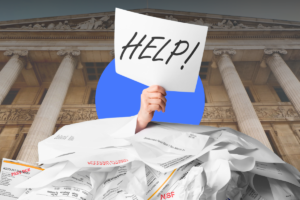


Are you drowning in debt and can’t find a way out? You may be considering debt relief or bankruptcy if you owe more than you owe and are certain you don’t have the means to repay your creditors. Although they can be ideal for some consumers, it depends on your financial situation and future goals.
Both strategies can have severe consequences for your finances. So, it’s essential to understand what they entail before deciding if either option is worthwhile.

America’s Leader in Credit Card Debt Relief and Debt Consolidation since 2002. Over 850,000 Clients and $18 Billion in Debt Resolved.

Reduce Unsecured Debts Such As Credit Cards, Loans, or Bills. Regain Control of Your Finances. Talk with a Certified Debt Specialist.

Debt Consolidation Loan Options. Talk to a Certified Debt Counselor to Help You Achieve Financial Freedom Faster. Apply for a Quote.
Introduction to Debt Relief and Bankruptcy
What is Bankruptcy?
Bankruptcy represents a formal procedure that enables individuals or entities to tackle insurmountable debt under the protection of the legal system. This process can lead to the elimination (discharge) of debts or the creation of a structured repayment plan. The U.S. Bankruptcy Code outlines several bankruptcy chapters, each tailored to specific circumstances, such as Chapter 7 for liquidating assets or Chapter 13 for personal reorganization of debts.
What is Debt Relief?
Debt relief consists of strategies to reduce the burden of debt outside the courtroom. It’s less drastic than bankruptcy and can involve negotiating with creditors to modify repayment terms or reduce amounts owed. Or you can consolidate multiple debts into a single, more manageable loan. Debt relief can offer a lifeline to those seeking to regain control of their financial situation without the formalities involved with a bankruptcy declaration.
Understanding Bankruptcy
Here’s what you need to know about bankruptcy to decide whether it’s viable.
Bankruptcy Types: Chapter 7 and Chapter 13
- Chapter 7 Bankruptcy: It is referred to as liquidation bankruptcy and involves a trustee’s sale of non-exempt assets to pay off creditors. Most unsecured debts can be discharged under Chapter 7 within a few months, potentially giving you a clean slate.
- Chapter 13 Bankruptcy: This form of bankruptcy is known as reorganization and lets you keep your assets. However, you must adhere to a court-approved payment plan that spans three to five years. Upon completion, you may qualify for discharge of any remaining unsecured debts.
The Process of Filing for Bankruptcy
The process begins with filing a petition with the bankruptcy court. You’ll be asked to provide detailed documentation of your debts, expenses, income and assets. Petitioners must also complete a credit counseling session from an approved agency within 180 days of filing.
Once you formally file, an automatic stay goes into effect. It requires most creditors to cease collection activity against you.
America’s Leader in Credit Card Debt Relief and Debt Consolidation since 2002. Over 850,000 Clients and $18 Billion in Debt Resolved.
Reduce Unsecured Debts Such As Credit Cards, Loans, or Bills. Regain Control of Your Finances. Talk with a Certified Debt Specialist.
Debt Consolidation Loan Options. Talk to a Certified Debt Counselor to Help You Achieve Financial Freedom Faster. Apply for a Quote.
The Effects of Bankruptcy
Bankruptcy will have lasting effects on your credit and financial health. Chapter 7 will stay on your credit report for 10 years, while Chapter 13 remains for seven years. Obtaining new credit during this time can be challenging, and you may face steep borrowing costs. Your bankruptcy also becomes a matter of public record.
The Process of Debt Relief
Evaluating Your Finances
Assessing your financial situation is vital before choosing which debt relief strategy is best. Take an inventory of your debts, income, expenses and assets. Doing so will help you understand where you stand and which approach is most suitable to get the relief you need.
Formulating a Debt Relief Plan
Once your financial assessment is complete, the next step is to craft a personalized debt relief plan. Various options could be considered here, such as debt consolidation, where multiple debts are combined into a single loan with potentially lower interest rates or a debt settlement, where you negotiate to pay a reduced amount to creditors. The choice depends on factors like the total debt amount, types of debt and how much you can afford to allocate to your debt load each month.
Implementation and Debt Repayment
The final step in the process is implementing the debt relief strategy you select. If you choose the debt consolidation route, you’ll need to make the monthly payments to ensure your efforts are successful.
But if you choose debt settlement, you’ll make payments into a dedicated savings account set up through a debt relief service. Once you reach a certain balance, they will negotiate settlement offers on your behalf.
Bankruptcy vs. Debt Relief: Pros and Cons
Pros and Cons of Debt Relief
Pros:
- More affordable monthly payments
- Faster debt payoff
Cons:
- Risk of added debt if you consolidate and use credit cards again
- Negative credit implications if you settle unsecured debt
- Forgiven debt may be taxable
- There are no guarantees creditors will accept debt settlement offers
America’s Leader in Credit Card Debt Relief and Debt Consolidation since 2002. Over 850,000 Clients and $18 Billion in Debt Resolved.
Reduce Unsecured Debts Such As Credit Cards, Loans, or Bills. Regain Control of Your Finances. Talk with a Certified Debt Specialist.
Debt Consolidation Loan Options. Talk to a Certified Debt Counselor to Help You Achieve Financial Freedom Faster. Apply for a Quote.
Pros and Cons of Bankruptcy
Pros:
- Chapter 7 may give you a clean slate
- Chapter 13 lets you retain your assets
Cons:
- Severe credit impact regardless of the type of bankruptcy you file
- Limited accessibility to reasonable credit offers
Key Differences Between Bankruptcy vs. Debt Relief
Below are some key differences between bankruptcy and debt relief to be aware of if you’re considering the two:
- Credit impact: Bankruptcy significantly impacts your credit score, and the filing lingers on your credit report for seven to 10 years. Debt relief may also lower your credit score, particularly if you go the settlement route. However, the impact is typically less severe than bankruptcy, and your credit score may recover sooner rather than later.
- Legal proceedings: Bankruptcy involves formal legal proceedings that may require your court appearance before a judge. If you choose debt settlement, negotiations with creditors are handled by the debt settlement company, and they do not involve court appearances.
- Asset liquidation: Chapter 7 bankruptcy requires you to liquidate your assets to pay off debt. Under Chapter 13, you can keep your assets. The same applies to debt relief as it does not require you to sell off your property and use the proceeds to satisfy creditors.
- Duration: Chapter 7 can take several months, while Chapter 13 takes three to five years to complete. The timeline for debt settlement depends on your situation, but some companies claim to get you results in just 24 to 48 months.
- Public record: Bankruptcy filings are public records, but debt relief is not.
When Should You Consider Debt Relief Services?
Debt relief services can be a viable option when you find yourself constantly struggling to make minimum payments on your debts. It’s also worth considering if:
- Your total debt (without your mortgage) is more than 50 percent of your gross income
- Your unsecured debts carry steep interest rates
- You’re dealing with a financial crisis that makes it impossible to keep up with the minimum monthly debt payments
- You’d prefer to avoid bankruptcy
- You want a single, more manageable monthly payment
America’s Leader in Credit Card Debt Relief and Debt Consolidation since 2002. Over 850,000 Clients and $18 Billion in Debt Resolved.
Reduce Unsecured Debts Such As Credit Cards, Loans, or Bills. Regain Control of Your Finances. Talk with a Certified Debt Specialist.
Debt Consolidation Loan Options. Talk to a Certified Debt Counselor to Help You Achieve Financial Freedom Faster. Apply for a Quote.
When Should You Consider Filing for Bankruptcy?
If your debts continue to mount and you feel overwhelmed by your financial obligations, bankruptcy can be a legal tool to help you make a fresh start.
Factors to Consider in Choosing Between Debt Relief vs. Bankruptcy
Bankruptcy could be the better option in these instances:
- You don’t believe you can pay your debts within a few years
- You are facing wage garnishment, lawsuits from creditors or foreclosure
- You are facing repossession
*Note: Consult with a bankruptcy attorney to make an informed decision.
Assessing Your Debt Situation
To make an informed choice, you should thoroughly evaluate your current debt types and amounts. Secured debts like mortgages differ from unsecured debts such as credit cards in critical ways that will affect your decision. Explore options to avoid bankruptcy if your debt is still manageable.
Analyzing Long-term and Short-term Effects
Debt relief options can provide a quick fix, but consider whether they address the root causes of your debt. Bankruptcy can offer a fresh start, but it also comes with long-lasting credit impacts.
Legal Consequences
If you stop paying your bills while negotiating a debt settlement, you might face collections calls, high-interest rates, penalty fees, and potential legal action against you, such as being sued by lenders. Bankruptcy also carries with it certain legal implications, such as the potential loss of non-exempt property or the impacts of a bankruptcy discharge.
Fiscal Impacts
Consider how each option will affect your overall financial health, such as tax consequences and the potential to obtain credit in the future. Debt relief may help you avoid certain fiscal implications. Still, it’s important to examine the fine print for more details on the fiscal impacts, including the nuances between Chapter 7 bankruptcy and other debt-relief options.
Conclusion: Debt Relief vs Bankruptcy: Which Is Better?
Deciding between debt relief and bankruptcy is a major financial decision that hinges on your unique circumstances. Both options can help you get your finances back on track, but what works best depends on your financial standing, long-term goal and the nature of your debts.
Remember, both debt relief and bankruptcy can also have long-term effects on your credit. Consult with a financial advisor or bankruptcy attorney to understand the potential impact on your personal financial situation.
America’s Leader in Credit Card Debt Relief and Debt Consolidation since 2002. Over 850,000 Clients and $18 Billion in Debt Resolved.
Reduce Unsecured Debts Such As Credit Cards, Loans, or Bills. Regain Control of Your Finances. Talk with a Certified Debt Specialist.
Debt Consolidation Loan Options. Talk to a Certified Debt Counselor to Help You Achieve Financial Freedom Faster. Apply for a Quote.
FAQs About Debt Relief Vs. Bankruptcy
Debt relief does not count as bankruptcy. While debt relief encompasses various methods to reduce your debt burden, such as negotiation or consolidation, bankruptcy is a legal process that involves the court system and can eliminate most of your debts or restructure them under a court-approved plan.
No, debt settlement is not the same as bankruptcy. Debt settlement involves negotiating with creditors to pay less than what you owe on your debts. By contrast, bankruptcy provides legal protection and may wipe out certain debts altogether or allow repayment through a structured plan approved by a bankruptcy court.
Debt relief can hurt your credit, but typically not as much as bankruptcy. Participating in a debt settlement program can leave a negative mark on your credit report, indicating that you paid less than the amount originally owed. Each option’s impact on your credit score will vary based on your specific financial situation and the type of relief you pursue.
Bankruptcy and credit repair serve different purposes. Bankruptcy is often considered when your debt is insurmountable, providing a fresh start by discharging eligible debts. Credit repair is about correcting inaccuracies and improving your credit report. Bankruptcy typically has a more severe and longer-lasting effect on your credit than credit repair efforts. Therefore, deciding whether bankruptcy is better than credit repair depends on how deeply you’re in debt and your ability to improve your credit health without legal intervention.
America’s Leader in Credit Card Debt Relief and Debt Consolidation since 2002. Over 850,000 Clients and $18 Billion in Debt Resolved.
Reduce Unsecured Debts Such As Credit Cards, Loans, or Bills. Regain Control of Your Finances. Talk with a Certified Debt Specialist.
Debt Consolidation Loan Options. Talk to a Certified Debt Counselor to Help You Achieve Financial Freedom Faster. Apply for a Quote.