
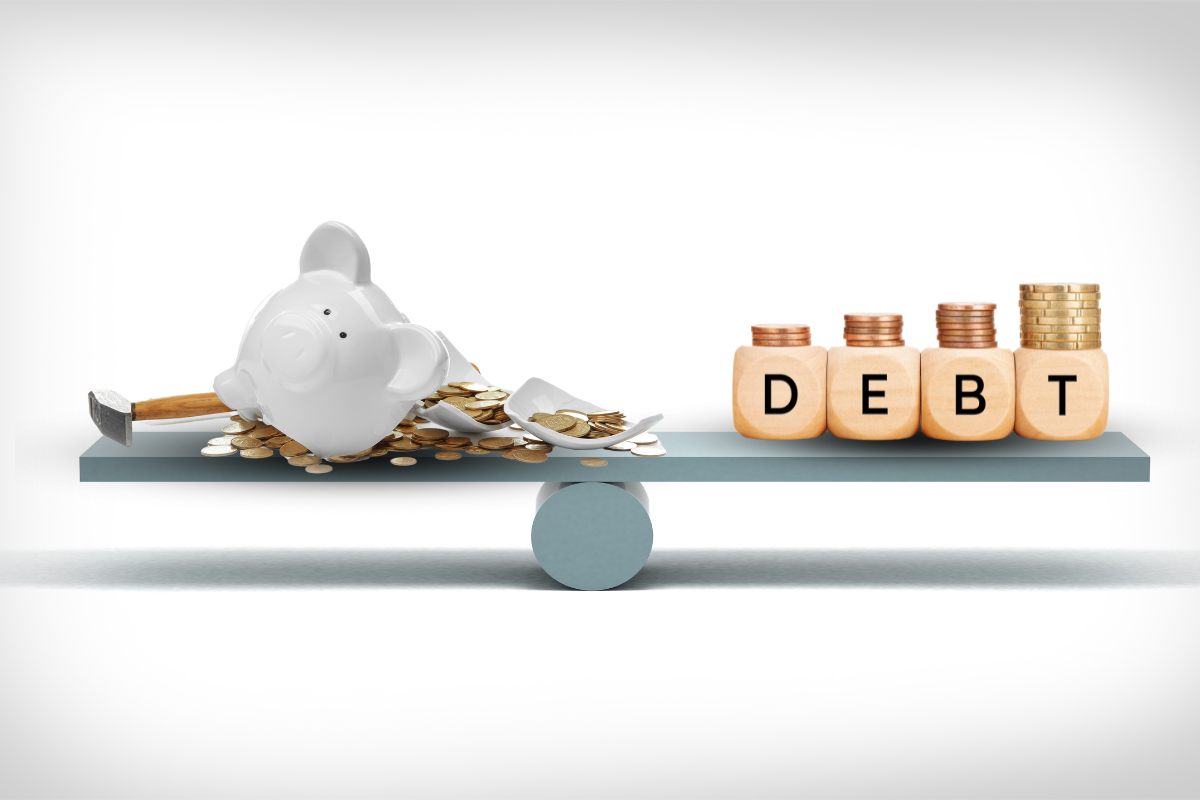
If you’re saddled with debt, bankruptcy and debt relief can give you much-needed relief. But how do they differ, and which one is best? It depends on our financial situation – particularly how much you owe, your current earnings and assets, among other things.

America’s Leader in Credit Card Debt Relief and Debt Consolidation since 2002. Over 850,000 Clients and $18 Billion in Debt Resolved.

Reduce Unsecured Debts Such As Credit Cards, Loans, or Bills. Regain Control of Your Finances. Talk with a Certified Debt Specialist.

Debt Consolidation Loan Options. Talk to a Certified Debt Counselor to Help You Achieve Financial Freedom Faster. Apply for a Quote.
Introduction to Bankruptcy vs Debt Relief
What is Bankruptcy?
Bankruptcy is a legal process supervised by the courts designed to help you eliminate or repay debts. There are two common options – Chapter 7 bankruptcy and Chapter 13 bankruptcy. More on these shortly.
What is Debt Relief?
Debt relief is a term used to describe programs that help consumers eliminate or reduce debt balances without resorting to bankruptcy. They include debt consolidation, debt settlement and credit counseling.
Understanding the Concept of Insolvency and Bankruptcy
If you are financially insolvent, it simply means your liabilities exceed your assets. And in most instances, you cannot meet your debt obligations as they come due.
Insolvency triggers bankruptcy, which provides a way to resolve unpaid debts through the court system.
Types of Bankruptcy
Below is a look at the specifics of the most common bankruptcy filings.
Chapter 7 Bankruptcy
Also known as liquidation, Chapter 7 Bankruptcy offers a fresh start by discharging most unsecured debts. It’s reserved for those with limited income who do not have the means to repay their debts. Eligibility is determined by the means test, which considers your income, expenses and family size.
If you’re eligible for Chapter 7, you may be able to keep some of your personal assets. However, for non-exempt assets, a court-appointed trustee will oversee the sale of these items, and the proceeds will be used to repay creditors.
Chapter 13 Bankruptcy
Chapter 13 is also known as reorganization bankruptcy. It involves setting up a payment plan to repay debts over three to five years. It’s the most suitable option for individuals with consistent income and the means to make monthly payments.
If you file Chapter 13, you can keep your assets if you follow the court-approved payment plan. Plus, you can avoid foreclosure or repossession.
Pros and Cons of Declaring Bankruptcy
You can get immediate relief from debt collectors by filing for bankruptcy. However, there are significant downsides to consider when deciding if this approach is right for you.
America’s Leader in Credit Card Debt Relief and Debt Consolidation since 2002. Over 850,000 Clients and $18 Billion in Debt Resolved.
Reduce Unsecured Debts Such As Credit Cards, Loans, or Bills. Regain Control of Your Finances. Talk with a Certified Debt Specialist.
Debt Consolidation Loan Options. Talk to a Certified Debt Counselor to Help You Achieve Financial Freedom Faster. Apply for a Quote.
Pros
- Immediate relief from creditors: Filing for bankruptcy leads to an automatic stay on your debts. So, creditors must immediately cease collection activities, which means you’ll get a break from collection letters and calls.
- Discharge of unsecured debts: If you qualify for Chapter 7, filing bankruptcy could give you a clean slate by eliminating many types of unsecured debts. These include credit card balances, personal loan balances and medical bills.
- Psychological benefits: Drowning in debt can be overwhelming and induce high levels of stress. Bankruptcy can provide a form of mental relief by helping you resolve your debts in a way that works for your finances.
Cons
- Credit damage: Filing for bankruptcy has serious consequences for your credit score. Chapters 7 and 13 linger on your credit report for up to 10 years and 7 years, respectively. Both could tank your credit score by well over 150 points.
- Loss of assets: If you file Chapter 7, you could lose non-exempt assets to repay creditors. This is a significant downside if you have a sizable amount of assets, like a second home or other valuables.
- Lasting consequences: Creditors and lenders are reluctant to provide new accounts to borrowers who’ve filed for bankruptcy. Doing so places you in a category of high-risk applicants that they may not be willing to take a risk on. And if you are approved for credit, you’ll likely face steep interest rates and exorbitant borrowing costs.
The Bankruptcy Process and Its Effects
If you’re leaning towards bankruptcy to resolve unpaid debt, here’s what else you need to know.
Filing for Bankruptcy
The first step is to submit a petition to the bankruptcy court. You must disclose all financial information, including income, expenses, debts and assets.
Legal Consequences of Bankruptcy
As previously mentioned, filing will result in an automatic stay that halts most collection efforts from creditors. This form of legal protection offers immediate relief from phone calls, letters and threats regarding lawsuits.
The bankruptcy filing also means a trustee will oversee your case, whether you file Chapter 7 or Chapter 13. The filing will be a part of public record, which can negatively impact future applications for credit, employment opportunities and insurance premiums if you live in a state that allows insurance providers to use credit-based insurance scores.
America’s Leader in Credit Card Debt Relief and Debt Consolidation since 2002. Over 850,000 Clients and $18 Billion in Debt Resolved.
Reduce Unsecured Debts Such As Credit Cards, Loans, or Bills. Regain Control of Your Finances. Talk with a Certified Debt Specialist.
Debt Consolidation Loan Options. Talk to a Certified Debt Counselor to Help You Achieve Financial Freedom Faster. Apply for a Quote.
Effect of Bankruptcy on Future Financial Stability
Bankruptcy has a major impact on your finances despite the relief it can provide. As previously mentioned, it remains on your credit report for 7 or 10 years. You might face challenges when you apply for new credit, employment or housing.
Still, you could potentially get a clean slate. And if you don’t qualify for a discharge, restructuring your debts allows you to start rebuilding your credit and overall financial health over time.
Understanding Debt Relief
Debt relief is another option to resolve pesky debt balances without filing for bankruptcy. Instead, you’ll combine, negotiate or restructure your debts to find relief.
Common Forms of Debt Relief
There are three primary types of debt relief.
Debt Consolidation
When you consolidate debt, you combine multiple balances into a single loan product, preferably with a lower interest rate. The idea is to streamline the repayment process and get a single, more affordable monthly payment.
Debt consolidation loans are often used to eliminate high-interest credit card and personal loan debt. However, you’ll need good credit and stable income to qualify for the best rates the lender offers.
Debt Settlement
Debt settlement involves negotiating your balances with your creditors to pay them off sooner. You can do it independently or hire a company to work on your behalf.
Either way, you will typically make a lump sum payment for the agreed-upon settlement amount to satisfy the debt. However, be sure to get the agreement in writing before handing over your hard-earned money.
Also, be mindful of the potential credit impact of settling your debts. Creditors and lenders will report the accounts as “settled” instead of “paid in full,” which could negatively impact your credit score.
Credit Counseling
Non-profit credit counseling agencies exist to help financially distressed individuals find relief. These agencies have licensed credit counselors on staff who will speak with you, often free of charge, regarding your financial situation.
Credit counselors also assess your debt to identify the best course of action to find relief. It could be a debt management plan (DMP), which is a tool they use to negotiate the terms of your debts and get you concessions to make the balances more manageable.
If you sign up for a DMP, you’ll make payments directly to the counseling agency monthly. They will disburse the funds to your creditors in accordance with the terms of the DMP.
America’s Leader in Credit Card Debt Relief and Debt Consolidation since 2002. Over 850,000 Clients and $18 Billion in Debt Resolved.
Reduce Unsecured Debts Such As Credit Cards, Loans, or Bills. Regain Control of Your Finances. Talk with a Certified Debt Specialist.
Debt Consolidation Loan Options. Talk to a Certified Debt Counselor to Help You Achieve Financial Freedom Faster. Apply for a Quote.
Pros and Cons of Debt Relief
Pros
- Reduce your debt balances: By settling your debts, you can significantly reduce the amount you owe and resolve the balances in a fraction of the time.
- Lower borrowing costs: Consolidating debt or entering into a DMP could also save you several hundreds or thousands of dollars in interest.
- Streamlined debt repayment: You’ll typically get a single, more manageable debt payment, so you won’t have to worry about paying multiple creditors each month.
Cons
- Negative credit impact: Your credit score could improve when you consolidate, as your debt utilization rate will improve. However, settling your balances or entering into a DMP could mean bad news for your credit score.
- Fees: You’ll incur fees each time your debts are settled if you work with a debt settlement company. DMPs also come with enrollment and monthly maintenance fees.
- No guarantees: Creditors and lenders are obligated to accept settlement offers. The same applies to concessions requested through a DMP.
The Debt Relief Process and Its Effects
The specifics depend on the form of debt relief you select.
Qualifying for Debt Relief
- Debt consolidation: Your eligibility is determined by your creditworthiness, debt load, income and other financial factors.
- Debt settlement: You’ll usually need to carry a certain amount of unsecured debt and have the means to make a set monthly payment into a Dedicated Savings Account to qualify.
- Credit counseling: Eligibility for a DMP is determined on a case-by-case basis. As aforementioned, the credit counselor will review your credit report and financial profile to determine if you’re a good fit for a DMP.
Working with a Debt Relief Company
You’ll work with a debt relief company if you choose to settle your debts or enter into a DMP. Be mindful that debt settlement companies are for-profit entities, while credit counseling agencies generally are not.
America’s Leader in Credit Card Debt Relief and Debt Consolidation since 2002. Over 850,000 Clients and $18 Billion in Debt Resolved.
Reduce Unsecured Debts Such As Credit Cards, Loans, or Bills. Regain Control of Your Finances. Talk with a Certified Debt Specialist.
Debt Consolidation Loan Options. Talk to a Certified Debt Counselor to Help You Achieve Financial Freedom Faster. Apply for a Quote.
Effect of Debt Relief on Credit Score
- Debt consolidation: Your credit score may dip when you apply for a loan, but it will likely improve as consolidating the balances drops your credit utilization rate.
- Debt settlement: Settling for less than you owe will likely hurt your score and the late marks you’ll get on your credit report before the balances are resolved.
- Credit counseling: You’ll have to close your credit cards if you enroll in a DMP, which can damage your score. But it will bounce back as you work towards completing the plan.
Bankruptcy vs Debt Relief: A Comparative Analysis
If you’re torn between filing for bankruptcy or seeking another form of debt relief, here’s how the two compare to help you make an informed decision.
Impact on Credit Score
As previously mentioned, bankruptcy can tank your credit score by 150 points or more. The filing stays on your credit report for up to 7 or 10 years, depending on if it’s Chapter 7 or Chapter 13.
If you take out a loan to consolidate high-interest credit card debt, your credit score could actually improve since doing so drops your credit utilization rate (assuming you don’t run the balances up on the cards again).
However, debt settlement does more harm than good for your credit health. Most creditors and lenders won’t accept settlement offers until accounts are past due. So, the late payments on your credit report will drag your score down by 100 or more points. And if you are able to settle the balances, they’re reported as “settled” instead of “paid in full.”
A DMP through a credit counseling agency could also ding your credit score, though, since enrolling means you have to part ways with your credit cards. Even if the accounts are current when you sign up, closing them negatively impacts your credit age, which accounts for 15 percent of your FICO score.
America’s Leader in Credit Card Debt Relief and Debt Consolidation since 2002. Over 850,000 Clients and $18 Billion in Debt Resolved.
Reduce Unsecured Debts Such As Credit Cards, Loans, or Bills. Regain Control of Your Finances. Talk with a Certified Debt Specialist.
Debt Consolidation Loan Options. Talk to a Certified Debt Counselor to Help You Achieve Financial Freedom Faster. Apply for a Quote.
Length of Process
Chapter 7 bankruptcy could take four to six months, and Chapter 13’s repayment plan spans three to five years.
If you apply for a debt consolidation loan, you’ll hear back relatively quickly and can start the process immediately. However, debt settlement programs and DMPs often span two to four years or possibly longer, depending on your debt load and financial situation.
Recovery Time
It could take several years to recover from the bankruptcy filing. However, the negative impact of debt settlement and DMPs typically fades after a few years, making it a bit simpler to rebuild your financial reputation.
Legal Ramifications
Bankruptcy is a legal procedure overseen by the courts. It’s also a matter of public record, but you’ll get certain protections from creditors and lenders that you won’t receive when choosing debt settlement or a DMP.
Still, debt relief gives you more privacy, as the details of your financial situation are not disclosed for public review.
Other Factors to Consider
Some other factors to consider when deciding between the two:
- Fees: Legal fees for bankruptcy can be substantial and are often required upfront. Debt settlement programs only require payment when accounts are settled—typically as a percentage of the balance of the settled debt. DMPs usually come with a monthly service fee.
- Eligibility: The eligibility guidelines for bankruptcy are stricter compared to debt relief.
Conclusion: Deciding Between Bankruptcy vs Debt Relief
It depends on how much you owe and your financial status. Be sure to compare the pros and cons of each option to make an informed decision. It’s also worth consulting with a bankruptcy attorney before proceeding, as filing can seriously affect your financial future.
FAQs About Bankruptcy vs Debt Relief
Your financial situation and ability to repay what’s owed will determine which option is most suitable. For more detailed guidance, speak with a bankruptcy attorney.
Yes. You can consolidate your debt through a personal loan product or work with a debt settlement company to resolve your balances for less than what you owe. Credit counseling agencies also offer debt management plans (DMP) to help you get relief from your overwhelming debts.
America’s Leader in Credit Card Debt Relief and Debt Consolidation since 2002. Over 850,000 Clients and $18 Billion in Debt Resolved.
Reduce Unsecured Debts Such As Credit Cards, Loans, or Bills. Regain Control of Your Finances. Talk with a Certified Debt Specialist.
Debt Consolidation Loan Options. Talk to a Certified Debt Counselor to Help You Achieve Financial Freedom Faster. Apply for a Quote.