


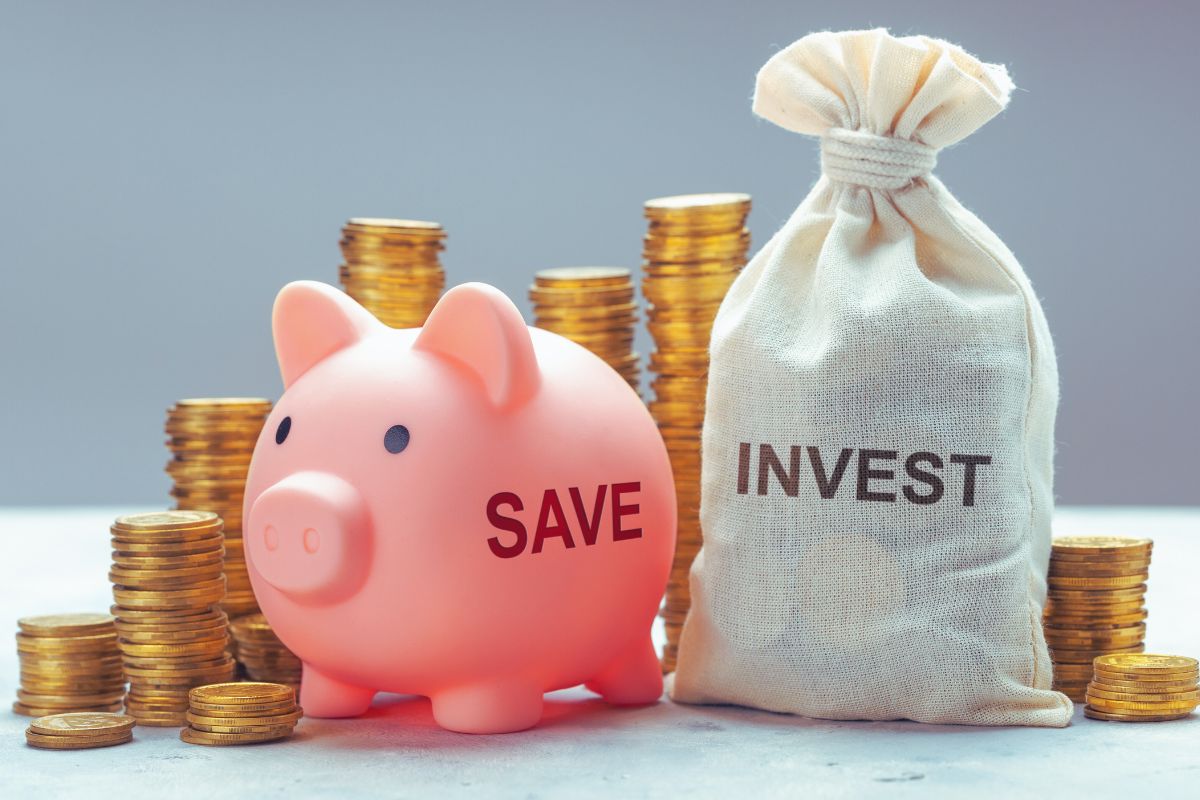
Spending money is easy and effortless. Saving money is another story. If you’ve struggled with the latter, here are 10 proven strategies to help you build your cash stash and meet your savings goals.
The Challenge of Saving Money
If saving money was easy, everyone would do it. The reality is it can be extremely difficult to stash away cash for a rainy day, especially if you often have more bills than a paycheck or your debt load is rather large. Or maybe you often engage in retail therapy that drains your bank account.
Regardless of why you struggle to save, all hope is not lost. Consider using the strategies in this guide to help you get back on track.
Common Misconceptions about Saving
Myth: You need a lot of money to start saving.
Fact: You don’t need a huge amount to begin. Even small amounts can add up over time. Consider setting aside just a few dollars each week. Consistency is key.
Myth: All debt is bad.
Fact: Not all debt is created equal. To illustrate, student loans and mortgages can be considered “good debt” if they help improve your financial future.
Myth: Saving a small amount is not worth it.
Fact: Even if you can only save a little, it’s still valuable. Starting early and saving consistently can make a big difference.
Myth: Keeping money in cash is safest.
Fact: While cash is safe from market fluctuations, it loses value through inflation over time. Consider putting your money in places where it can grow, like savings accounts or investments.
Myth: You should only save if you have no debt.
Fact: It’s possible to save and pay off debt at the same time. Optimal financial strategies often include doing both.
Myth: Saving just for big purchases.
Fact: You don’t have to save only for large purchases or emergencies. Think about setting different savings goals, like vacations or a special treat for yourself.
The Benefits of Developing Saving Habits
You want to develop sound saving habits for a few key reasons. First and foremost, having an emergency fund is vital. It helps keep your budget intact when life happens, and you won’t have to resort to high-interest debt.
Saving money also paves the way to financial security. And you can even implement many fun goals and milestones along the way.
10 Different Ways on How to Save Money
Here are ten strategies to help you level up your savings account.
1. Assessing Your Financial Situation
Evaluating Your Income and Identifying Expenses
The first step in the process is to understand where your money is going. That way, you’ll know what areas to focus on to make cuts.
List all your income and expenses. Be sure to include all your earnings, even if it’s not from a full-time job. And categorize each expense as fixed or variable.
Understanding Your Financial Goals
Next, set financial goals that will excite you about following a budget that enables you to save money with ease.
2. Creating a Budget
Importance of Budgeting
A budget is a surefire way to control what comes in and out of your bank account. It tells your money where to go and helps you avoid overspending. So, if you set a monthly savings target, you’ll likely meet it if you follow the plan.
Types of Budgeting Methods
Here are some popular budgeting methods:
- Zero-Based Budgeting: Every dollar of your income is assigned a specific purpose.
- 50/30/20 Rule: This divides your income into three categories: 50% for needs, 30% for wants, and 20% for savings and debt.
- Envelope System: Cash is allocated to different spending categories, like groceries or entertainment, and placed in envelopes.
Steps to Creating an Effective Budget
Employ one of the strategies listed above to create a budget that works for you. Be sure to track your spending and adjust your budget as needed to stay on track and motivated to meet your savings goal.
3. Cutting Unnecessary Expenses
Identifying Non-Essential Spending
Track your expenses for a month and identify those that can be reduced or eliminated. You can also use a budgeting app to help you spot extras.
4. Saving on Food and Groceries
Meal Planning and Preparation
Plan your meals for the week before you visit the grocery store. Otherwise, you’ll be tempted to purchase unnecessary items.
Utilizing Coupons and Discounts
Try to align your meal plan with what’s on sale at your favorite grocery stores. It also helps to use coupons to save even more money.
Choosing Store Brands over Name Brands
Sometimes, you’ll find that generic items hold the same level of quality as their name-brand counterparts. So, don’t be afraid to go for the cheaper option if it means saving money.
5. Reducing Housing and Utility Costs
Lowering Utility Bills and Comparing Service Providers
Small changes, like shutting off the lights when not in use and unplugging idle electronic devices, can make a big difference. Also, try adjusting your thermostat and using ceiling fans to preserve energy. And don’t forget to change your air filters often.
If there are several options for utility providers in your area, it’s worth comparing what each offers as well.
Making Your Home Energy Efficient
Consider investing in a programmable thermostat that automatically adjusts the temperature in your home when you’re away. Insulating your home by sealing gaps around doors and windows can also help reduce energy consumption.
Exploring Affordable Housing Options
If you’re currently renting, consider switching to a smaller, more affordable property when your lease is up. Or you can possibly sell your home for a profit if relocating is part of your plans and purchase something else in a more cost-efficient area.
6. Effective Transportation Savings
Benefits of Public Transportation
Buses, trains, and subways are generally much cheaper than owning and maintaining a car. Using public transportation also reduces wear and tear on your vehicle, which curbs maintenance and repair costs.
Carpooling and Ridesharing
Both can also help you save on fuel costs. Most ridesharing apps also give you the option to hop in with another passenger traveling along the same route and split the fare to keep more money in your pocket.
Maintaining Your Vehicle for Efficiency
Regular oil changes, tire rotations, and air filter replacements can ensure that your car runs smoothly. Keeping your tires properly inflated can also improve gas mileage.
7. Managing Entertainment and Leisure Costs
Exploring Free or Low-Cost Activities
Look for local events such as free concerts, community festivals or outdoor movies. Also, take advantage of public parks or beaches for picnics and outdoor games. Check out free events at your local library.
Subscribing and Unsubscribing Smartly
Many people subscribe to multiple streaming platforms and only use a few. Consider combining a couple of cheaper services instead of having cable. Services like Netflix, Amazon Prime or Hulu can provide you with a vast selection of content at a reduced cost.
Setting Limits on Dining Out
Look at your budget and put a cap on how much you can spend on dining out. If it helps, withdraw this amount and place it in an envelope. Once the money’s gone, you’ll have to wait until next month to replenish the envelope.
8. Shopping Smartly
Timing Your Purchases
Buying items during sales seasons or off-season is a smart way to save cash. For example, purchasing winter clothes in spring can be cheaper. Retailers often discount items to clear out old stock. Furthermore, purchasing during holiday sales like Black Friday or Cyber Monday can offer huge discounts. Always keep an eye on the calendar for sales events.
Utilizing Cashback and Reward Programs
These programs offer cash on everyday purchases and aren’t hard to find. Be sure to sign up for loyalty programs everywhere you shop to start accumulating points and saving money on future purchases.
Assessing Needs vs. Wants
Before making any purchase, ask yourself if the item is a need or a want. Remember, impulse buying can lead to regret and waste. And since saving is a priority, you want to avoid all purchases that could hinder your progress.
9. Building an Emergency Fund
Importance of an Emergency Fund
An emergency fund is a financial safety net for unexpected expenses such as medical bills, car repairs, or sudden loss of income. It helps you avoid debt by covering these costs without relying on credit cards or loans. Having this fund also provides peace of mind, knowing you’re prepared for emergencies.
How Much to Save
Financial experts recommend stashing three to six months’ worth of living expenses away for a rainy day. If this figure is too large, save what you can and increase this figure as your financial situation improves.
Strategies for Building an Emergency Fund
Calculate the amount you need to save to fully fund your emergency fund, and set a timeline to meet this milestone. Consider setting up automatic transfers to a dedicated savings account and look for ways to boost your income.
10. Choose the Right Savings Accounts
Types of Savings Accounts
Traditional savings accounts are often offered by brick-and-mortar banks and provide a reliable option for storing money with low risk.
High-yield savings accounts are typically available through online banks and offer better interest rates compared to traditional accounts. These accounts can help grow your savings faster due to the higher annual percentage yield (APY).
Money market accounts combine features of both savings and checking accounts. They often require a higher minimum balance but offer check-writing capabilities.
Comparing Interest Rates and Fees
Interest rates and fees are key factors when choosing a savings account. A high APY can significantly boost your savings over time.
Also, pay attention to fees that can eat into your savings. Some accounts charge monthly maintenance fees unless you maintain a minimum balance. Transaction fees can also apply if you exceed a certain number of monthly withdrawals.
Benefits of Automatic Savings
Automated transfers from your checking to your savings account ensure you consistently build your savings without thinking about it. This method is particularly useful for those who find it challenging to save manually, as it helps you avoid the temptation to spend the funds elsewhere.


