


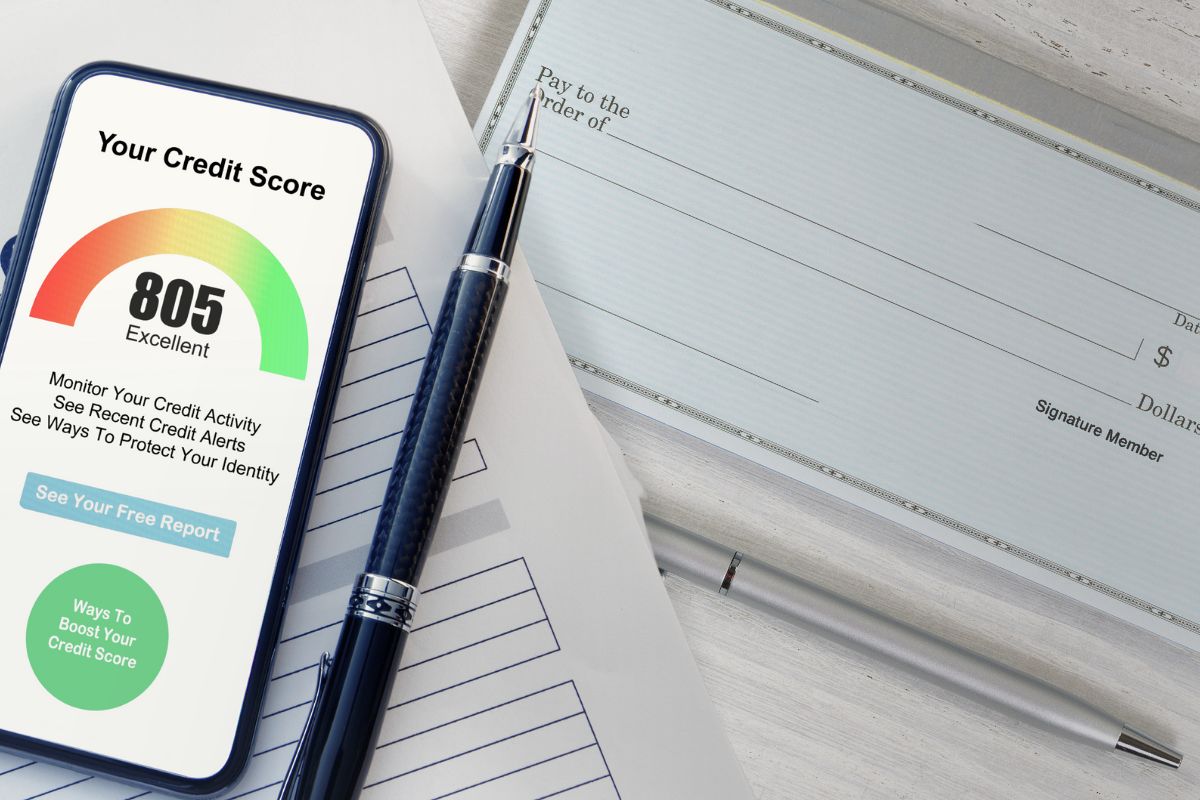
Opening a checking account makes it easier to organize your finances, receive payments, and send cash to colleagues and businesses. If you don’t have a checking account, it’s almost always a good idea to open one. However, a checking account can have an indirect impact on your credit score.
You don’t have to worry about any hard credit checks since the bank doesn’t run them if you want to open a bank account. In fact, you won’t even have to worry about a soft credit pull in most cases. In any event, your credit score will not decrease if you open a new bank account, but there are some things you should know before getting started.
How Checking Accounts Work
Checking accounts allows consumers and businesses to send and receive funds. These accounts are FDIC insured, which insures up to $250,000 for each person’s checking account. You can transfer funds between your accounts or use them to cover bills and pay friends.
Common Uses and Features of Checking Accounts
Checking accounts are often used to cover expenses. While you can earn interest on checking accounts, you’ll often find higher APYs with savings accounts. Checking accounts lets you track your financial activity and see how your money has moved over time.
Many banks also have several features, such as budgeting tools, direct deposit, and overdraft protection. Most banks provide a debit card when you open a checking account. This card makes your account’s cash more accessible.
Understanding Credit Scores
Your credit score is a critical three-digit number that can have a significant impact on your finances. Here’s how it works.
Definition and Importance of Credit Scores
A credit score is a numerical value that lets creditors assess a consumer’s ability to pay off debt. A higher credit score can help you qualify for more loans and also score lower rates. Lenders set the interest rate for any loan based on a borrower’s creditworthiness. They’ll look at this metric since the last thing a creditor wants is a borrower defaulting on their loan.
Since borrowers with high credit scores are perceived to be less risky, creditors compete with each other to offer lower rates. However, creditors will set higher interest rates for people with low credit scores to justify the risk they incur.
It’s not just creditors who look at your score. Landlords and utilities also review your credit score. A higher credit score can help you save thousands of dollars over your lifetime.
Factors Influencing Credit Scores
Creditors use these scores to ensure that you can make payments on time. That’s why payment history is the largest component of your FICO score. However, there are four other factors that determine your credit score. Here’s the list:
- Payment history: 35%
- Credit utilization ratio: 30%
- Length of credit history: 15%
- Credit mix: 10%
- New credit: 10%
Paying your bills on time, making more than the minimum monthly payment, avoiding too many hard credit inquiries, and waiting for your credit accounts to age can lead to a higher credit score.
The Relationship Between Checking Accounts and Credit Scores
Your credit score is a key piece of your financial profile, but what does it have to do with a checking account? Here’s how the two are connected.
Direct vs. Indirect Impact
A checking account will not have a direct impact on your credit score. Financial institutions do not run hard credit checks when you open a checking account, and you won’t even have to worry about a soft credit check in most cases.
Even though you don’t have to worry about credit checks, a checking account can have an indirect impact on your credit. For instance, if you incur an overdraft fee and other costs of banking, those extra expenses can make it more difficult to pay bills. Missing the minimum payment on your credit card or letting your balance grow due to interest will have a negative impact on your credit score. If you incur bank fees too many times, your checking account may impact your ability to pay bills on time.
Hard Inquiries and Their Effects
While you won’t have to worry about a hard inquiry if you open a checking account, it’s still good to know how they can impact your credit score. You’ll incur a hard credit inquiry when you apply for most loans and lines of credit. You’ll only lose a few points for a hard credit inquiry, and it shows up in your credit history for two years. Luckily, it only impacts your credit score for one year.
Does Opening a Checking Account Affect Your Credit Score?
Opening a checking account doesn’t have a direct impact on your credit, but it can end up having an indirect impact on your FICO score. Here’s what you need to know.
Soft Inquiries: Minimal Impact
Some banks run soft credit checks before letting you open a checking account. However, soft credit inquiries do not have any impact on your credit score. In addition, creditors cannot see that your credit report had a soft pull.
Overdraft Protection and Credit Checks
You do not have to go through a credit check to access overdraft protection. Overdrawing your account and incurring overdraft fees won’t have a direct impact on your credit score. However, those extra expenses can make it more difficult to keep up with the bills. Any late payments that come as a result of covering overdraft fees will have a negative impact on your credit score.
Account Management and Responsible Banking
A checking account allows you to stay on top of your finances and track your expenses. This information can lead to better financial decisions and help you indirectly improve your credit score. Using this information to cut down on expenses will make it easier to stay on top of your bills.
Indirect Ways a Checking Account May Influence Your Credit
While opening a checking account will not directly impact your credit score, it can indirectly impact your score in the following ways.
Overdraft Fees and Missed Payments
Overdraft fees and other expenses can make it more difficult to stay on top of payments. Keeping your balance positive and fulfilling the minimum balance requirement can help you stay on top of your bills. It’s even better if you use a checking account that doesn’t have a monthly maintenance fee.
Linked Accounts and Credit Score Monitoring Services
Many financial institutions allow you to see your credit score right from your dashboard. A visible reminder of your score can help you stay focused on the long-term goal of improving your credit. You won’t add points to your score overnight, but making on-time payments for several months will add up.
Scenarios Where Checking Accounts Could Affect Credit Scores
While most of the impact is indirect, there are a few scenarios when a checking account can have a direct impact on your credit score.
Overdraft Line of Credit
Some people use a line of credit to avoid paying overdraft fees. While this approach can save money, this line of credit may require a hard credit check. Furthermore, credit bureaus can track your payment history for this line of credit.
Linked Credit Products
Any credit products linked to your checking account will build your credit history. For instance, some apps use a line of credit to cover debit card payments. Then, they use your bank account balance to pay off the line of credit. This model allows consumers to build credit with debit cards instead of relying on credit cards for credit building.
Identity Theft and Unauthorized Account Access
A cybercriminal can illegally obtain someone’s information through many methods. If that happens to you, a thief can go on a buying spree at your expense. While credit cards have built-in security protections, and the issuer is responsible for the debt, if you let them know soon enough, it’s harder to get your money back with a checking account.
Identifying theft victims related to debit cards and Zelle scams doesn’t have as much protection. The end result is that you’ll have less money to cover everyday bills. You can take several measures to protect your identity, such as regularly changing your passwords, not using the same password for every account, and using multi-factor authentication.
Conclusion: Choosing the Right Checking Account
A good checking account has many features that make it easier to manage your finances. Some of these accounts also have respectable APYs, but most people use savings accounts to maximize their interest earnings. After comparing many checking accounts, you’ll be in a better position to choose the right account for you.


