


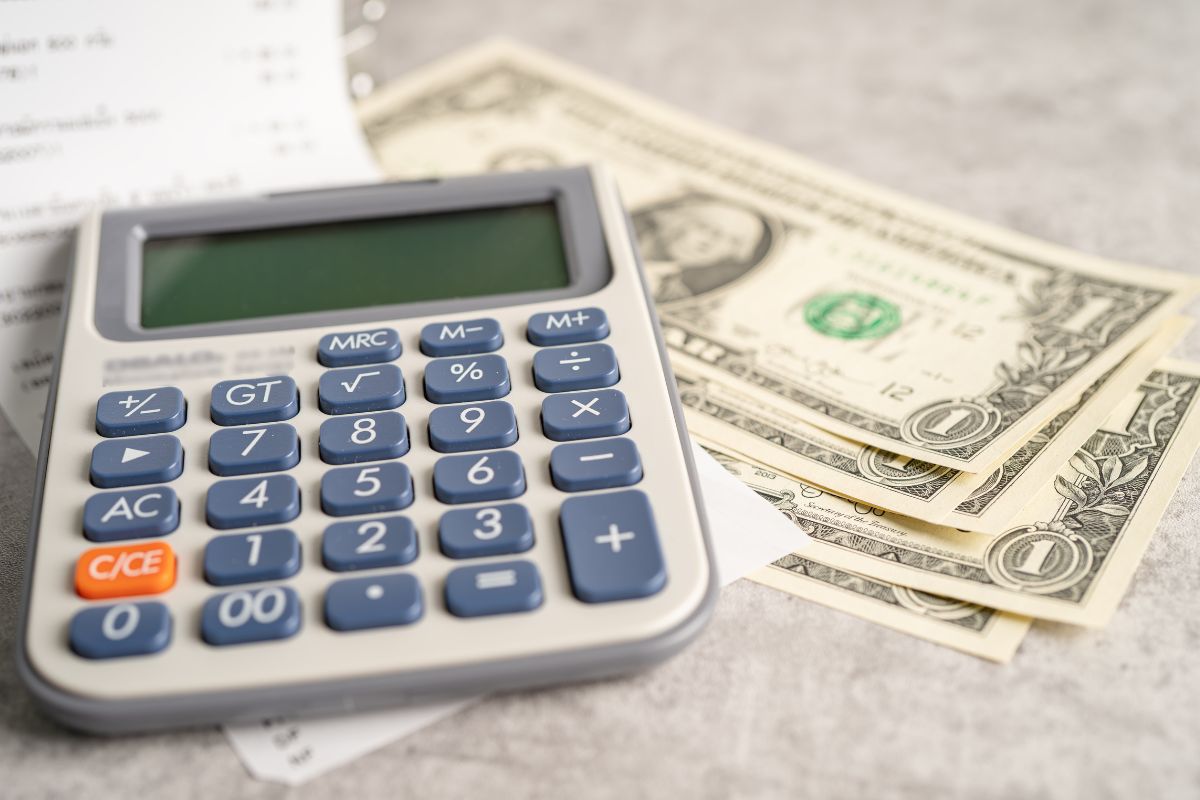
The thought of budgeting and saving money may not be that appealing to you. But there’s a major benefit if you decide to do so. Not only can you keep your spending in check and avoid added financial stress, but you can also easily meet financial milestones.
If you don’t yet have a budget or haven’t had much luck with your approach, the tips provided in this guide will lend a helping hand.
Why Budgeting is Essential
There are many reasons why budgeting is important, and doing so can also benefit you in many ways. More specifically, budgeting helps you:
- Make better financial decisions: Budgeting can improve your decision-making, as you’ll know exactly how to allocate your funds when they hit your bank account.
- Manage spending: When you create a budget, you know exactly how much money you have and where it needs to go.
- Track expenses: Keeping an eye on every dollar makes it easier to identify how you’re spending money and where you can cut back.
- Reduce debt: When you budget, you can allocate extra money toward paying off debts, reducing your financial burden over time.
- Meet financial goals: Budgeting allows you to save for future plans, like buying a house or retirement.
- Enhance your quality of life: You’ll also enjoy a better quality of life instead of worrying about how to pay bills due to financial mismanagement.
Assessing Your Current Financial Situation
Before diving head first into creating a budget, you want to assess your financial situation to see where you stand.
Tracking Your Income
Add up your total take-home pay or the amount you receive after taxes and any other deductions. Be sure to consider all income sources, like side gigs and contract work.
Identifying Your Expenses
Next, list all your monthly expenses, from large bills to small, everyday purchases. Categorize each as a fixed or variable expense, and list the amount you spend per month. For the latter, go with the higher number since the actual figure fluctuates. So, if your water bill is between $75 and $125 monthly, go with $125.
Calculating Your Net Worth
Your net worth is the difference between your assets and liabilities. Calculate this figure to determine if you have a positive or negative net worth so you can make more informed financial decisions.
Setting Financial Goals
Beyond looking at the numbers, you also want to set financial milestones that motivate you to stay on track with your spending plan.
Short-Term vs Long-Term Goals
Short-term goals are those you can achieve within a year. They often include building an emergency fund, paying off credit card debt, starting a business or saving for a vacation.
However, long-term goals take several years to attain. Common examples include purchasing a home, saving for retirement or funding your child’s education.
SMART Goal Setting
You can use the SMART framework to simplify the goal-setting process. More specifically, your goals should be:
- Specific or well-defined
- Measurable or easy to track
- Attainable or realistic
- Relevant or in alignment with your financial situation
- Timely or achievable by a certain date
To illustrate, instead of simply saying, “I want to pay off my credit cards,” you’d say:
“I want to save $6,000 in a year, and I’ll deposit $500 monthly in my savings account to make it happen.”
Prioritizing Your Goals
There’s a chance you’ll have several financial goals in mind. Be sure to prioritize those that excite you the most and work them into your spending plan. That way, you’ll be even more motivated to stick to your newly created budget.
How to Budget Money
With the planning stages behind you, it’s time to create a budget that works for you.
Choosing a Budgeting Method
Here are three popular options:
- The 50/30/20 Rule: This method divides your net income into three categories – needs (50%), wants (30%) and savings (20%).
- Zero-Based Budgeting: Assign every dollar of your income to a specific category so the entire amount is accounted for before your paycheck hits your account.
- Envelope System: Withdraw your paycheck, place the cash into envelopes labeled with different spending categories and use it until it’s gone
Developing a Monthly Budget
Select one of the above methods that works best for you and create your budget. Review it regularly and adjust it as needed to fit your lifestyle.
Using Budgeting Tools and Apps
They often sync with your bank account, providing real-time updates and detailed reports to help you manage your budget effectively. Consider budgeting apps like YNAB, PocketGuard and Mint if you need a helping hand.
Managing Your Expenses
To effectively manage your monthly expenses, you’ll need to distinguish between fixed and variable costs, trim the extras and identify ways to cut back if needed.
Fixed vs. Variable Expenses
Fixed expenses are costs that stay the same each month. Variable expenses, on the other hand, change from month to month.
Cutting Unnecessary Costs
To save extra money, identify and cut unnecessary costs. Start with subscriptions and memberships you no longer use. Also, look at luxury expenses like dining out, takeout coffee or unnecessary shopping. And don’t forget to negotiate your bills. Call your service providers to see if they can offer reduced rates or promotions.
Saving on Everyday Expenses
Saving on everyday expenses doesn’t mean sacrificing your lifestyle. Simple changes can lead to big savings. Try cutting back on your grocery bill, transportation costs and utility usage.
Building an Emergency Fund
An emergency fund can help keep your budget intact when the unexpected happens.
Is an Emergency Fund Necessary?
Absolutely! It acts as a safety net so you won’t have to rely on high-interest credit cards or loans during emergencies. And you’ll be able to stick to your spending plan, even when life happens.
How Should You Save for an Emergency Fund?
Financial experts recommend that you save three to six months of basic expenses. Even if you can’t stash the total amount away at once, a little bit goes a long way.
Look at your budget and identify areas where you can free up funds to start building your emergency fund. Also, create a line item for your emergency fund in your budget and move these funds when you get paid before making other expenditures.
It helps if you create a separate account to house your emergency fund. That way, you won’t be tempted to spend the funds elsewhere.
Conclusion: Overcoming Budgeting and Saving Challenges
As you embark on your new journey toward following a budget and saving money, there will be hiccups. However, it’s important to remind yourself why you started and remain laser-focused on your goals to keep the momentum going. Most importantly, give yourself grace and make adjustments as needed to get one step closer to achieving financial freedom.


