Local sailors win gold on Biscayne Bay
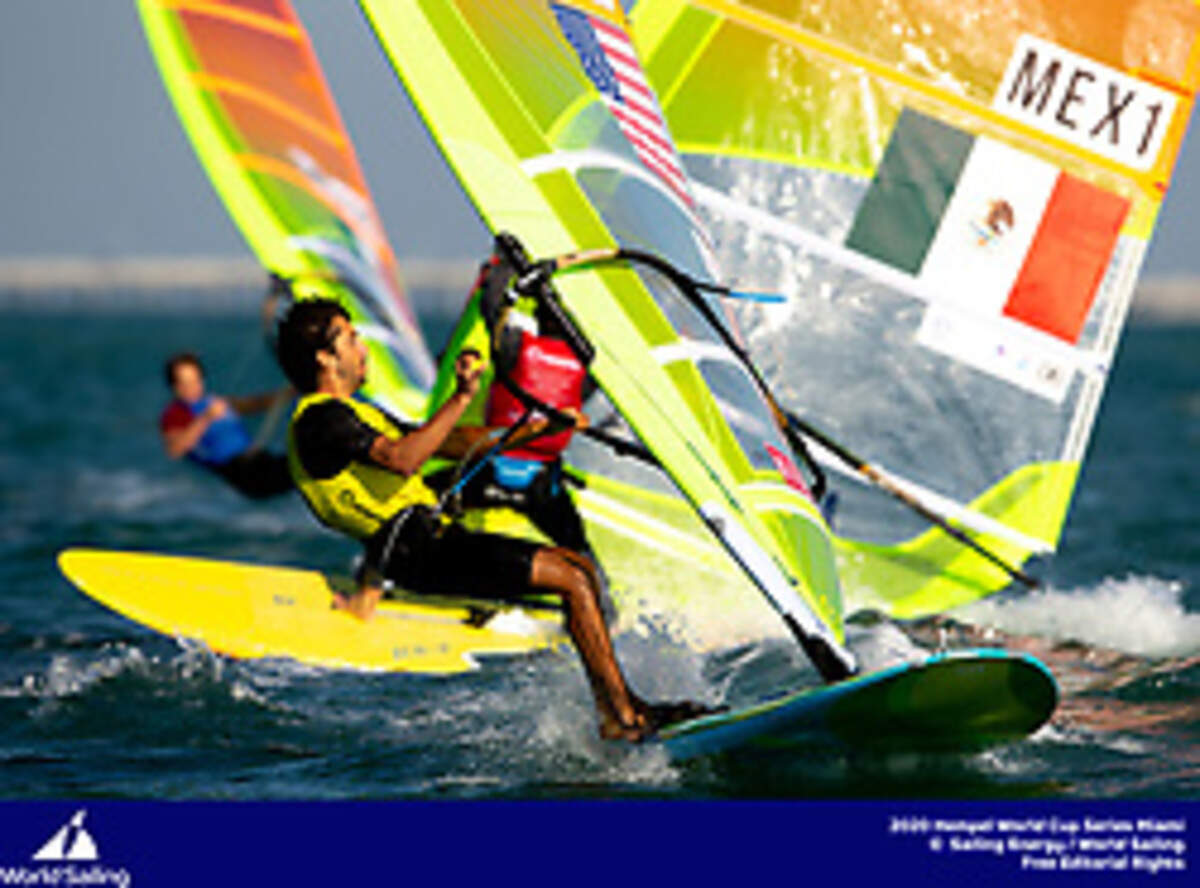
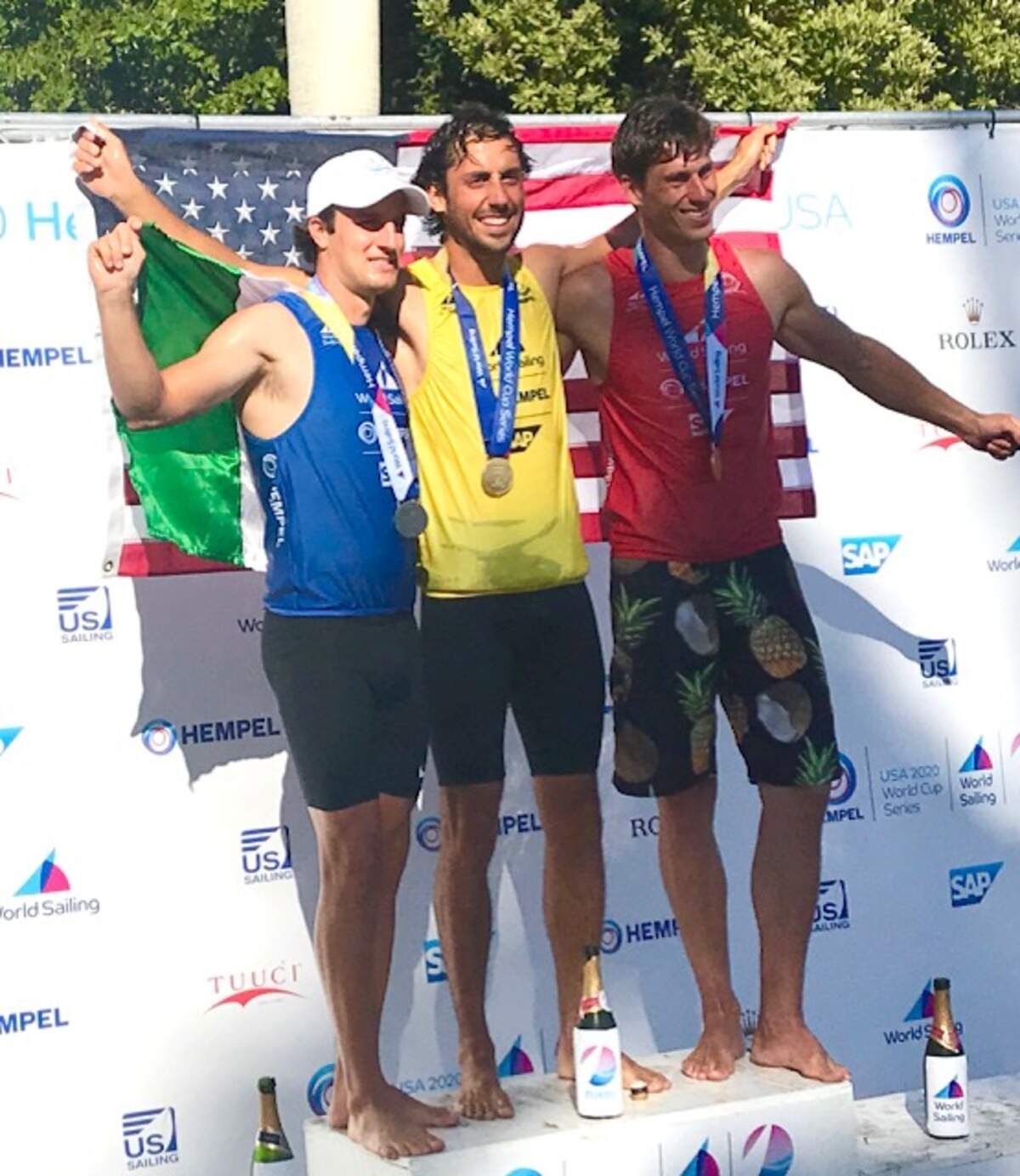
Pedro Pascual took whatever Biscayne Bay blew at him -- from cold, blustery winds and choppy seas midweek to whisper-soft puffs on Saturday -- and fought through temperamental conditions to win gold in the windsurfer class at the Hempel World Cup Series Miami.
Pascual, who led throughout the six days of the regatta, pumped his sail hard in the 4-8-knot breeze to place first in the concluding RS:X medal race and became the first American boardsailor to win the event.
“Since Monday, it’s gone from light to really windy to shifty, and I managed to be super consistent,” said Pascual, an FIU student from West Palm Beach who often trains out of the U.S. Sailing Center in Coconut Grove. “Everything is easier when you’re on home waters.”
Pascual received the U.S. team’s Golden Torch Award for best performer at World Cup Miami, highlighting a promising week for the Americans as they compete for spots in the Tokyo Olympics this summer.
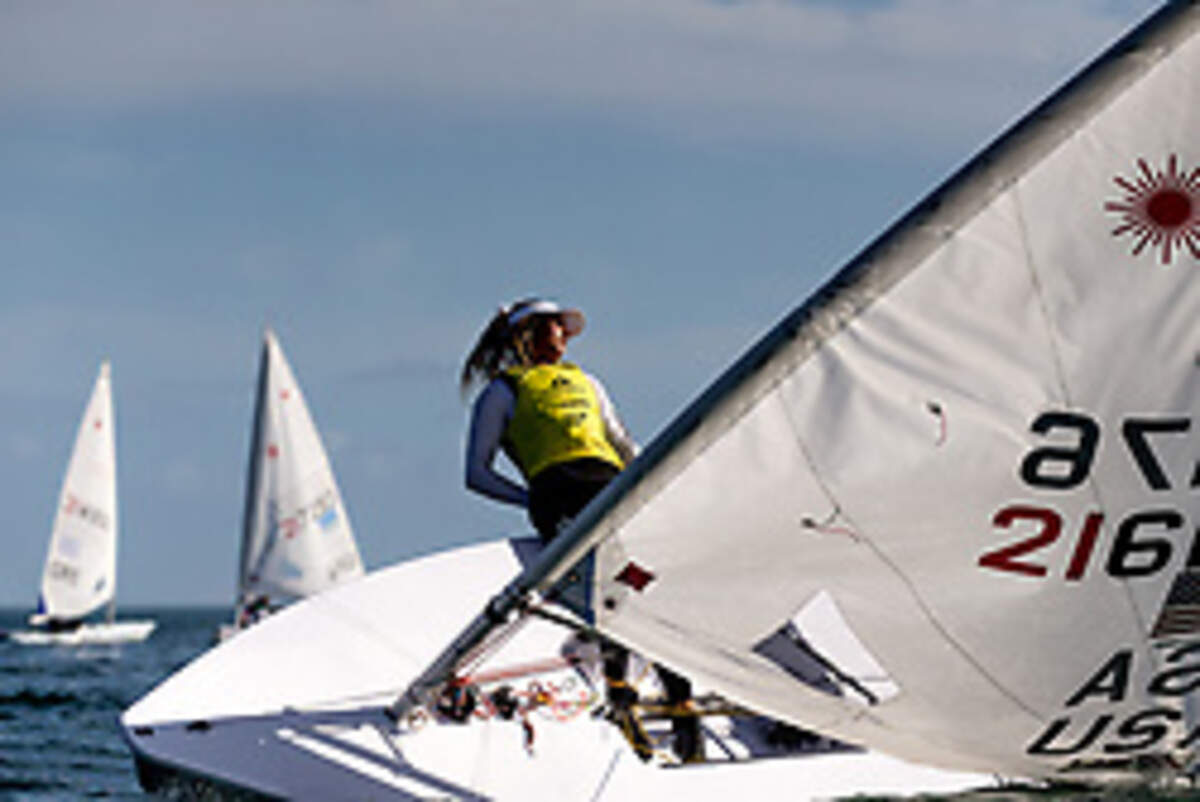
Fort Lauderdale’s Erika Reineke held on to her narrow lead in the Laser Radial class to take gold with a fifth-place finish ahead of her two closest rivals from Greece and Italy on Saturday.
“Off the start I felt really good,” Reineke said. “I tacked and I was at the front of the race and then I messed up one shift and my competitors split from me. I tried to keep my head in the game and not give up. The nerves got to me a little. I dropped my tiller extension during the race, and I had bad mark roundings, but now it feels great.”
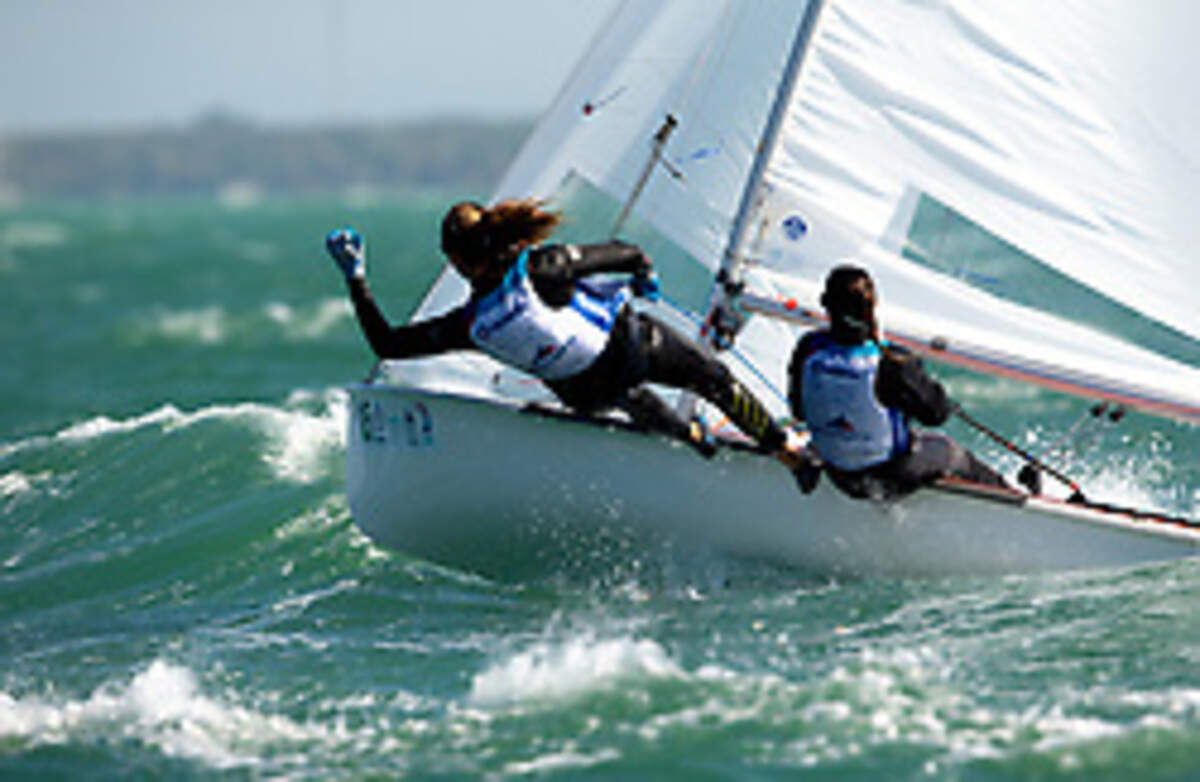
World Cup Miami, with 182 sailors from 45 countries competing in seven Olympic classes, was the final opportunity for North American nations to qualify for the 2020 Games in five fleets. Mexico sealed places in the Laser Radial, Finn and men’s RS:X; Canada picked up the women’s RS:X and men’s 470 and the U.S. captured the women’s 470.
Caleb Paine of San Diego, bronze medalist in the 2016 Rio de Janeiro Olympics, dominated the Finn class. Luke Muller of Fort Pierce took bronze.
“At the beginning it looked grim,” Muller said of his position at the halfway point of the finale. On the last downwind leg he took a penalty for rocking his boat -- using his body to create more power -- but still made up time on the pack. “The second half I did a good job of passing the boats I needed to keep my position.”
Jeronimo Nores of Miami Beach was in third place going into the medal race but as a tall boardsailor (6-6, 195 pounds) had a challenging day in the light breeze.
“It was very physical. Your heart rate is 180 the whole time,” said Nores, who finished fifth overall. “Whoever worked the hardest had a good result. I felt strong but didn’t sail the greatest race. With my size it was hard to get around the course in these conditions.”
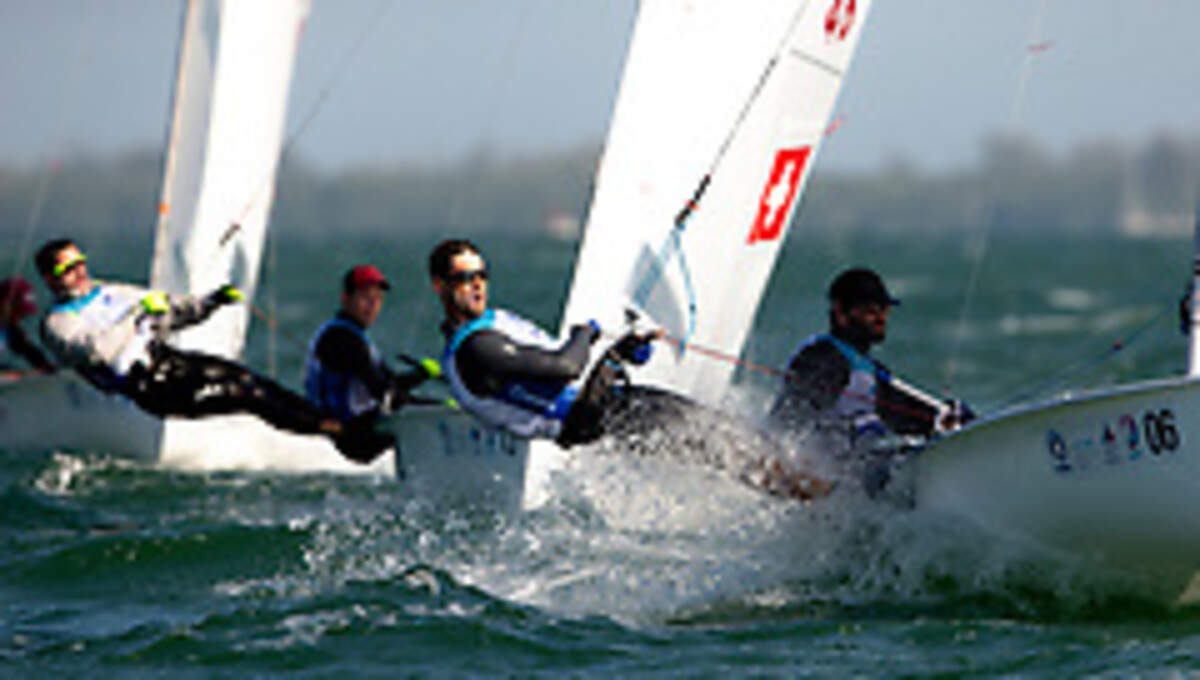
Stu McNay and David Hughes were in fifth before the men’s 470 medal race but they went over the starting line early and were relegated to last place. McNay and Hughes, based in Coconut Grove, finished fourth at the 2016 Olympics and are favored to represent the U.S. in Japan.
RS:X boardsailor Farrah Hall, who also trains out of the Grove, was in contention for a medal but also false-started.
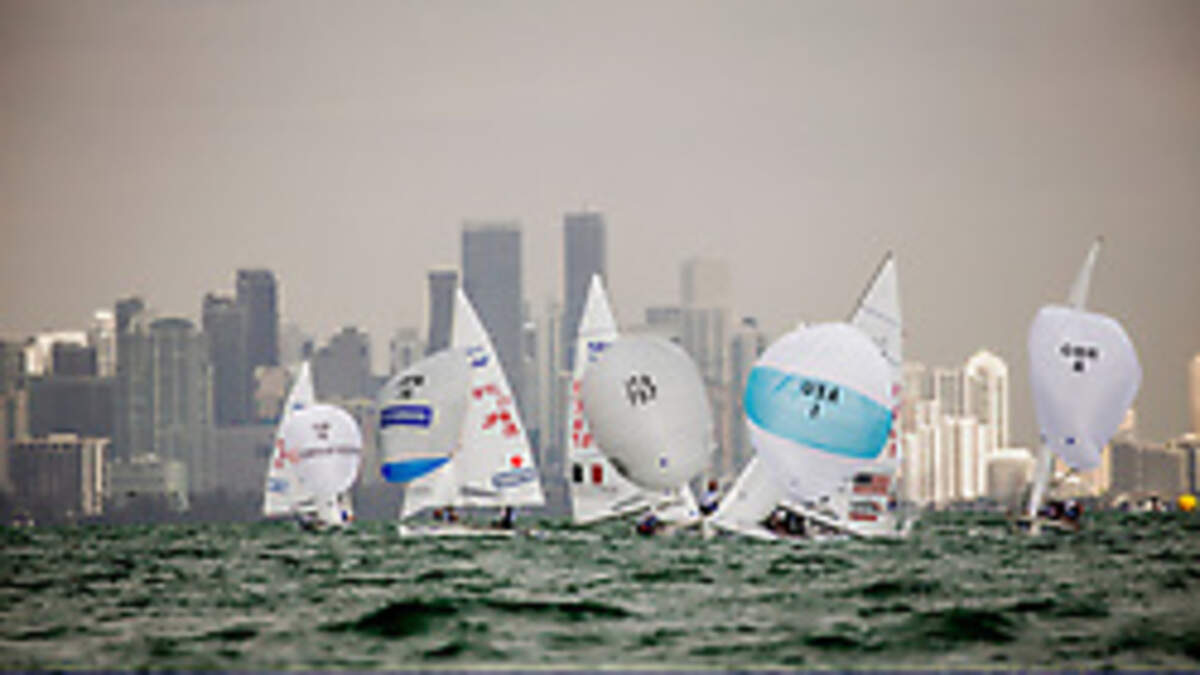
“Miami has been the steady home of this regatta for 31 years,” said Meredith Brody, co-chair of the event and Muller’s older sister. “Biscayne Bay always provides reliable conditions that test the sailors’ all-around skills, and the weather here is always warmer than in most of the rest of the world in January.”
This story was originally published January 26, 2020 at 12:00 AM.