
With his sights on Trump, DeSantis wastes tax dollars with electric-car veto | Opinion
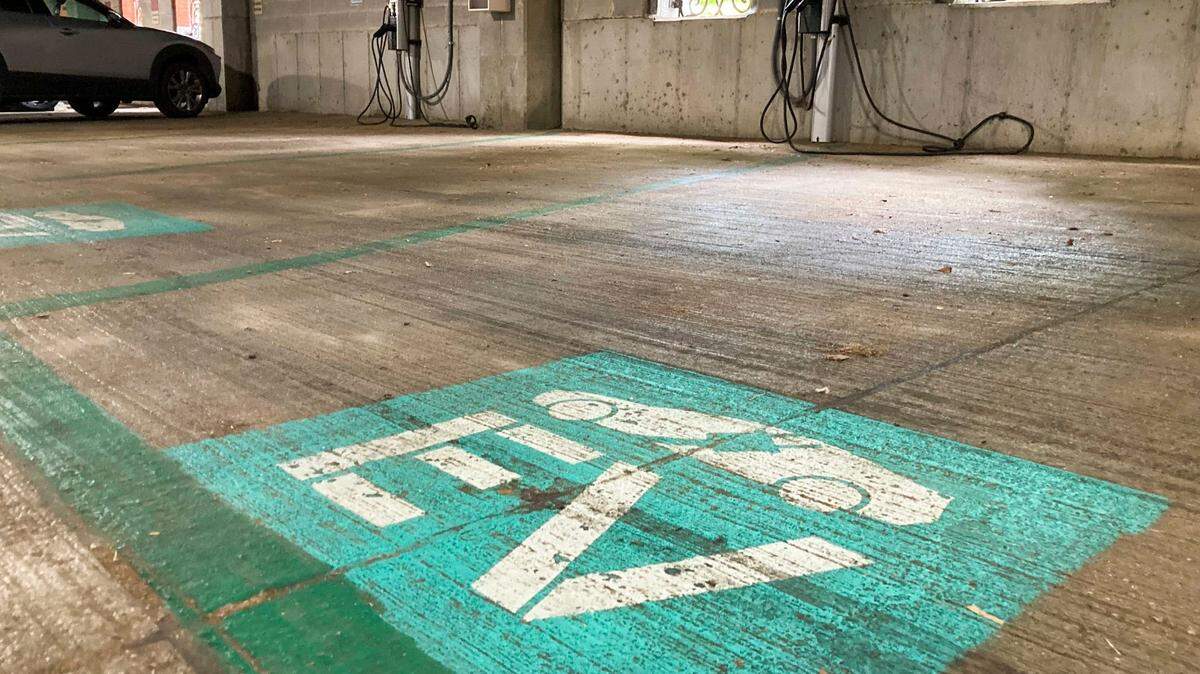
Gov. Ron DeSantis’ presidential ambitions hijacked Florida’s 2023 legislative session, setting the state on a path of regression and meanness at the expense of addressing issues that truly impact Floridians’ quality of life.
In his quest to be more far-right than Donald Trump, DeSantis has proven there’s nothing above his own political goals — not even Florida’s tax dollars. As the Herald reported Thursday, DeSantis vetoed a Republican-sponsored bill approved by wide bipartisan margins to modernize how the state purchases vehicles and create incentives for the the purchase of electric cars.
Senate Bill 284 would have saved Florida up to $277 million over 15 years if the state’s entire fleet switched to electric, according to an estimate by Advanced Energy United. Electric cars cut greenhouse gases that cause climate change and they are more cost-effective in the long run.
DeSantis didn’t provide a reason for his veto.
Just last year, he lauded a state plan to spend $166 million to buy electric buses and install electric charging stations, calling it “a win-win for air quality and advancing the state’s efforts to bolster growing electric vehicle usage,” the Herald reported.
Where’s that forward-thinking governor now?
Perhaps it’s not DeSantis’ stance on electric cars that has changed, but the direction of the political winds our opportunistic governor believes he should follow to crack through Donald Trump’s unwavering support from Republican primary voters. Speaking in Michigan over the weekend, Trump criticized the “maniacal push” by President Biden to promote electric cars, calling it the “decimation” of the state’s famous auto industry, the Detroit News reported.
Perhaps DeSantis’ veto has less to do with the merits of SB 284 and more to do with avoiding a barrage of attacks from Trump accusing him of trying to kill America’s car industry — as unfounded as those claims may be. If it helps them win the Rust Belt, Trump and DeSantis won’t miss any opportunity to exploit auto workers’ fears that ramping up the production of electric vehicles could kill their jobs.
The Florida legislation was not a draconian green mandate. It’s nothing like California’s new rule that all cars sold in the state be emissions-free after 2035. We still love our monster trucks and fossil fuel in Florida.
SB 284 would have changed the process Florida uses to buy state vehicles by giving priority to those with the lowest lifetime ownership cost instead of a requirement to choose the most fuel-efficient car. If an agency chose a car with an internal combustion engine, they would have been directed to use gasoline blended with ethanol or biodiesel or use natural gas when possible. Although electric cars may cost more upfront, they have fewer maintenance and fuel costs over time.
Were DeSantis not running for president, he would have likely signed this low-profile legislation with little fanfare or repercussions. But, as Florida has learned in the past two years, the state must pay a price for his race for the White House.
BEHIND THE STORY
MOREWhat's an editorial?
Editorials are opinion pieces that reflect the views of the Miami Herald Editorial Board, a group of opinion journalists that operates separately from the Miami Herald newsroom. Miami Herald Editorial Board members are: opinion editor Amy Driscoll and editorial writers Isadora Rangel and Mary Anna Mancuso. Read more by clicking the arrow in the upper right.
What's the difference between an op-ed and a column?
How does the Miami Herald Editorial Board decide what to write about?
The Editorial Board, made up of experienced opinion journalists, primarily addresses local and state issues that affect South Florida residents. Each board member has an area of focus, such as education, COVID or local government policy. Board members meet daily and bring up an array of topics for discussion. Once a topic is fully discussed, board members will further report the issue, interviewing stakeholders and others involved and affected, so that the board can present the most informed opinion possible. We strive to provide our community with thought leadership that advocates for policies and priorities that strengthen our communities. Our editorials promote social justice, fairness in economic, educational and social opportunities and an end to systemic racism and inequality. The Editorial Board is separate from the reporters and editors of the Miami Herald newsroom.
How can I contribute to the Miami Herald Opinion section?
The Editorial Board accepts op-ed submissions of 650-700 words from community members who want to argue a specific viewpoint or idea that is relevant to our area. You can email an op-ed submission to oped@miamiherald.com. We also accept 150-word letters to the editor from readers who want to offer their points of view on current issues. For more information on how to submit a letter, go here.